Illustrative AI server node with a populated equipment rack in a bright technical environment.

AI servers for training, inference and accelerated computing.

Cloud 9 sources and supplies NVIDIA- and AMD-based AI server platforms, from individual GPU-dense nodes to coordinated rack and multi-node configurations. Hardware is specified around the workload, the software environment and the requirements of the deployment.

The server requirement

The workload determines the server architecture.

An AI server requirement begins with the work it must support: the models, applications, data and expected pattern of use. Those requirements shape the accelerator platform, memory capacity, host resources and the way data moves through the system.

Cloud 9 sources and supplies complete server configurations around that requirement. For an individual node, the discussion centres on the compute platform and its supporting hardware. Across multiple nodes, connectivity, shared resources and the deployment environment become part of the same specification.

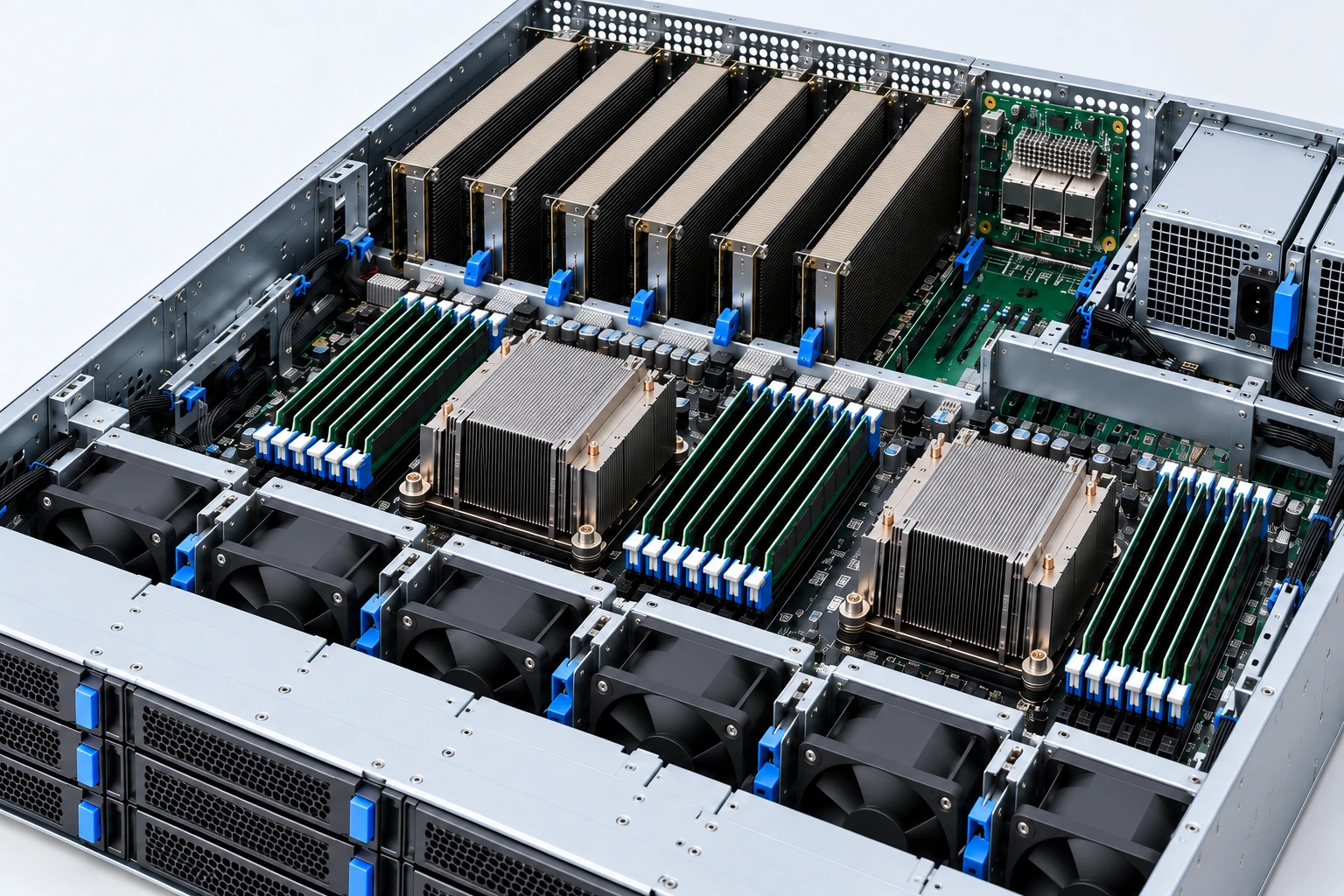
Illustrative server interior showing accelerator, host and cooling areas as part of one platform.

Explore the range

Individual nodes and coordinated rack systems.

Start with the scope of the deployment. A complete compute node and a coordinated rack-based configuration involve different hardware decisions.

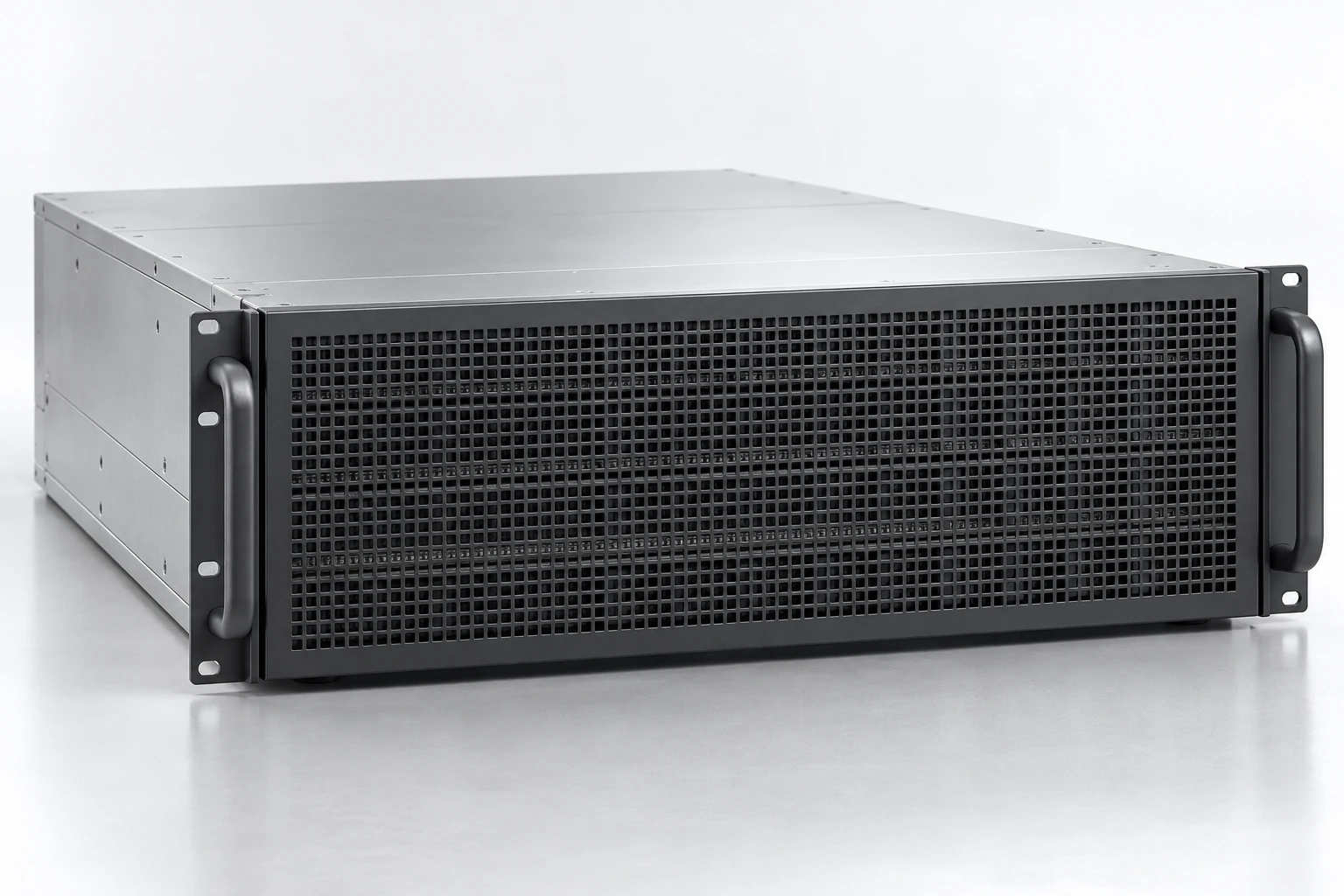
Illustrative unbranded GPU server node, shown as a complete rackmount compute platform.

Complete compute platforms

AI Server Nodes

Complete GPU server platforms for a defined compute requirement. Explore PCIe card-based and tightly integrated accelerator systems, with host processors, memory, storage, networking and cooling selected around the intended workload.

Explore AI Server Nodes
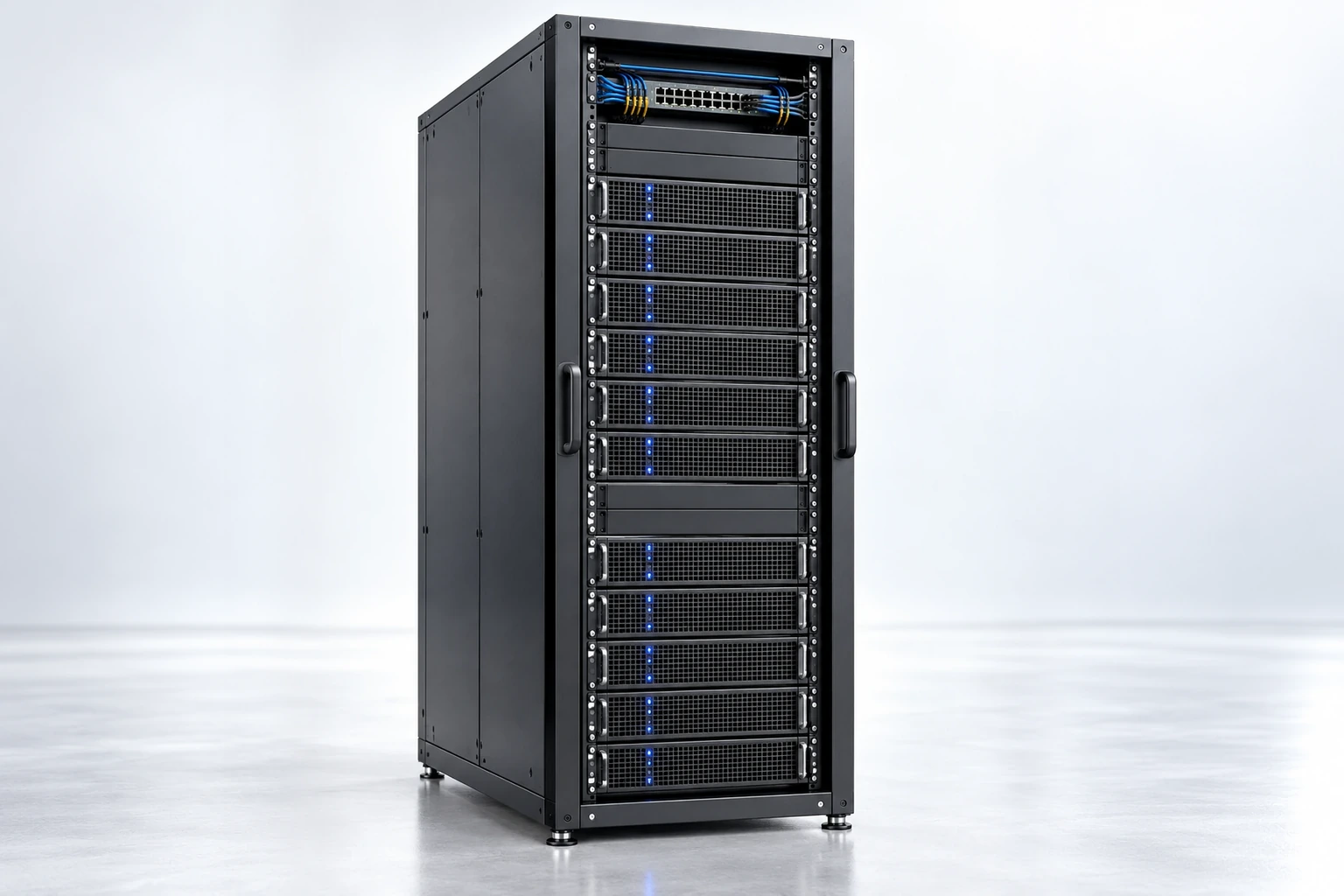
Illustrative populated AI server rack with compute and networking equipment.

Multi-node and rack-scale infrastructure

AI Server Infrastructure

Hardware configurations that bring compute, connectivity, power and cooling into a coordinated deployment. Explore how the platform and supporting infrastructure change as the requirement extends across systems.

Explore AI Server Infrastructure

A rack of networked server nodes and a tightly integrated rack-scale platform are different architectures. The configuration follows the selected approach.

Explore the architecture

Inside the platform. Across the deployment.

Examine the hardware relationships inside a node, the connections between systems and the requirements at rack level. Each view explains a different part of the configuration.

Choose a view, then select a hardware area or its label to read more.

Illustrative PCIe server layout with accelerator, host, storage, network, power and cooling areas.

PCIe server layout. Integrated accelerator platforms use a different layout.

Read the complete view description

This view shows the functional areas of an illustrative PCIe server: accelerator cards, the host platform and system memory, local storage, network interfaces, power modules and cooling. It is not a teardown of a named product. Exact locations, counts and connections depend on the selected server.

The complete compute platform

The accelerator arrangement sits within a complete server platform. Its relationship to the host, memory, data access and cooling affects the configuration.

Accelerator arrangement

GPU choice, population and the supported connections between devices shape the node. PCIe card-based systems and integrated accelerator platforms require different layouts and supporting hardware.

Host platform and memory

The CPU platform provides host processing and I/O resources. System memory supports the host workload and data preparation; it is distinct from memory attached to the accelerators.

Local storage

Boot devices, working datasets, scratch space and checkpoints can require different storage arrangements. Specify capacity, access needs and the relationship to shared storage.

Network interfaces

The selected adapters connect the node to application, compute, storage or management networks as required. Interface choice and placement must match the platform and the wider design.

Power delivery

Power modules, input requirements and distribution must match the complete server configuration. Redundancy is a defined arrangement, not an automatic property of every system.

Cooling and service access

Airflow paths, cooling hardware and access to replaceable parts belong in the platform decision. A liquid-cooled configuration must be designed around its own supported arrangement.

Conceptual arrangement of compute nodes, networking, shared storage and management equipment.
Compute trafficData accessHardware management

Conceptual connection view, not a port-by-port wiring plan or a claim of one shared memory pool.

Read the complete view description

This conceptual view contains compute nodes, switching, shared storage and management equipment. Editable lines distinguish compute traffic, storage access and management functions. These roles are not a prescribed switch count. Scale-up and scale-out describe connection roles; a scale-up domain can extend across trays in an integrated rack-scale platform. Distributed software determines how work is divided.

Connections with different jobs

Distributed work, data access and hardware management have different communication needs. Their network roles should remain clear, even where a design shares physical infrastructure.

Compute nodes

Each node contributes a defined set of compute and memory resources. Software determines how jobs use those resources; connecting nodes does not automatically combine all device memory into one pool.

Compute communication

The topology and supported interconnect affect how distributed work moves between devices or systems. Scale-up and scale-out are architectural roles, not simply synonyms for inside and outside a chassis.

Shared data access

Datasets, model files and checkpoints need an appropriate access path. Shared storage and its network should be considered alongside local storage and the applications that use it.

Software and service management

Provisioning, scheduling and monitoring may use management services and connectivity. The required software and the responsibility for operating it must be agreed separately from hardware supply.

Hardware management

Out-of-band management provides a distinct route to supported device-management functions. Access, isolation and connectivity need their own design rather than being assumed from the compute network.

Expansion paths

Additional nodes, switches and data resources must fit the intended topology and facility limits. Expansion is planned around the system design, not promised as automatic or unlimited.

Illustrative air-cooled rack arrangement showing equipment and rear-service provisions.

Illustrative air-cooled multi-node rack. Integrated rack-scale and liquid-cooled platforms require their own layouts.

Read the complete view description

This illustrative air-cooled rack shows compute equipment, networking, power distribution, cooling paths, cable-management space and the rack envelope. It is not an integrated vendor rack-scale blueprint. The arrangement must be checked against the actual rack, power, thermal and installation requirements before procurement.

A coordinated physical deployment

A rack brings equipment and supporting services into a physical layout. The chosen architecture determines how compute, switching, power, cooling and access fit together.

Compute equipment

Node or tray layout depends on the selected platform and its supported installation. A rack containing independent nodes is not the same architecture as an integrated rack-scale system.

Networking and switching

Switch placement, cabling routes and network roles must work with the compute and data design. The image is an explanatory arrangement, not a validated network topology.

Power distribution

Available supply, power distribution and equipment input requirements constrain the layout. Any redundancy requirement needs a specified end-to-end arrangement.

Cooling requirements

The facility must support the thermal requirements of the selected equipment. Liquid-cooled platforms add their own coolant, connection and heat-rejection requirements.

Cabling and service access

Cable routing and working clearance must allow the required access to equipment. Maintenance paths should not be blocked by the arrangement of cables or supporting hardware.

Installation envelope

Rack dimensions, loading, installation access and the surrounding environment should be established against the proposed equipment and the site. Physical fit alone does not establish deployment readiness.

Workloads

Different workloads place different demands on the platform.

The useful question is what the system must sustain in practice. Model size, application behaviour, data movement and the pattern of demand all affect the hardware discussion.

Illustrative application view with different inputs using a shared model-serving system.

Inference and model serving

Serving a model involves more than loading it into memory. The configuration must account for the intended request rate, context length, simultaneous users and response-time requirements, alongside the model and execution method.

Specify the service demand as well as the model.

Illustrative dataset and model-development workspace for training and post-training.

Model training and post-training

Training, fine-tuning and other post-training methods place different demands on compute, memory and communication. Dataset access and checkpoint handling also belong in the discussion. The appropriate scale depends on the model, method and intended result.

Define the training method before selecting the platform.

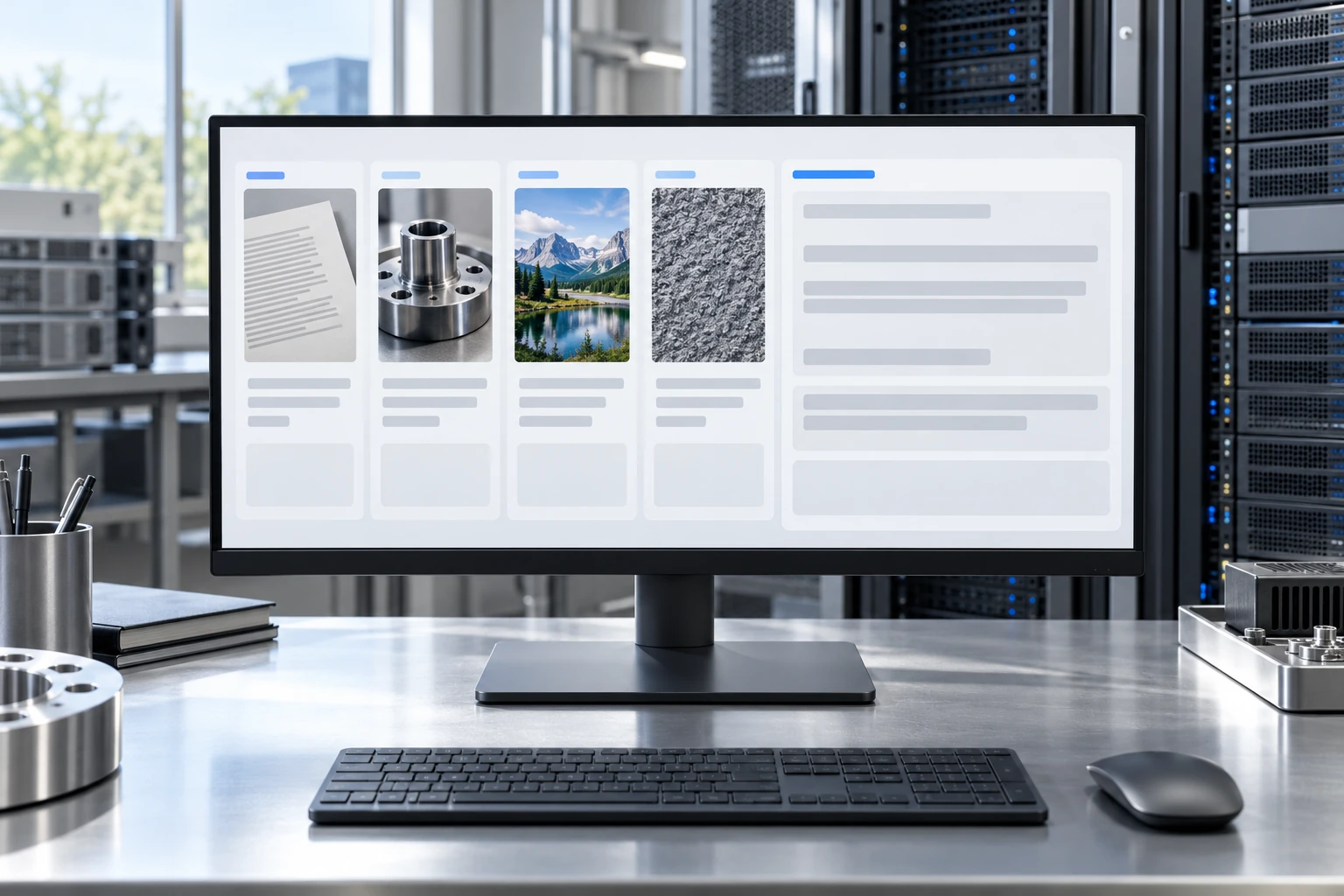
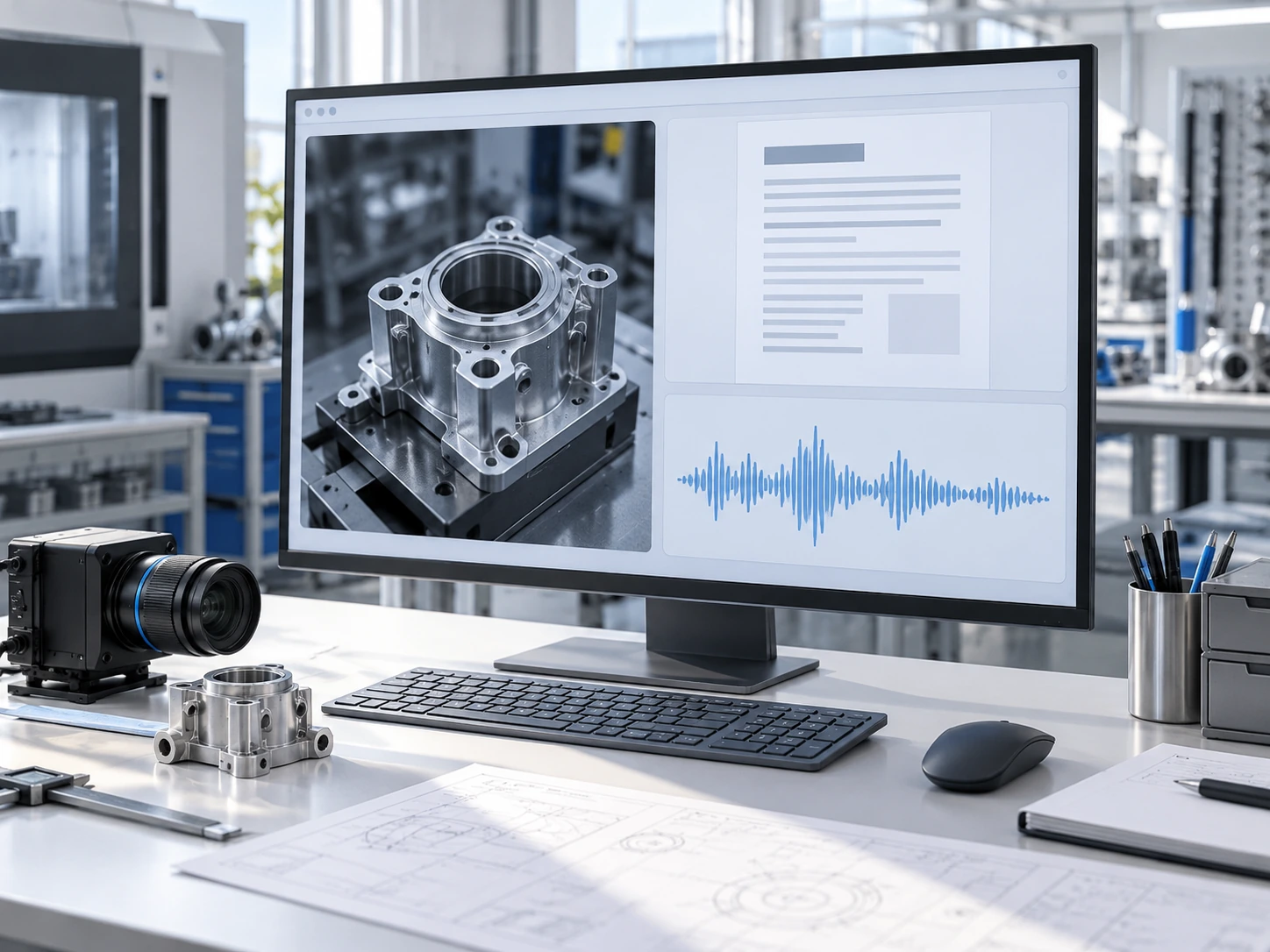
Illustrative multimodal workflow combining image, document and audio inputs.

Agentic and multimodal applications

An application may combine language, vision or speech models with retrieval, external tools and host-side processing. The server requirement should reflect the full application pipeline and its pattern of use, rather than the largest model alone.

Consider the whole application, including work outside the GPU.

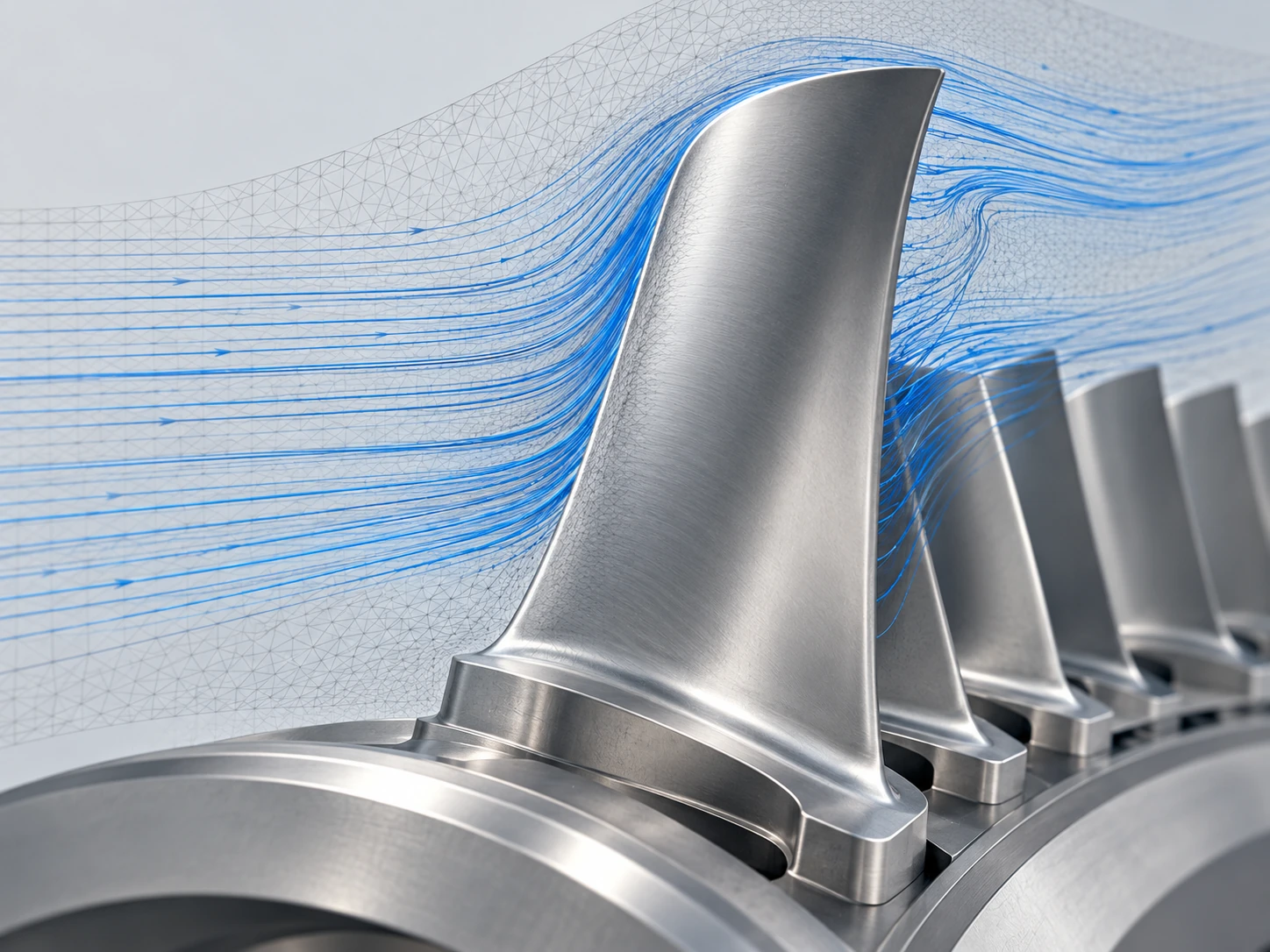
Illustrative engineering simulation of flow around a mechanical component.

Scientific computing and AI-assisted research

Research workloads can combine numerical simulation, analysis and AI methods. Application support, numerical precision, working datasets and the way a job is distributed are important inputs to platform selection. The relevant software must support the proposed configuration.

Match the hardware to the application and numerical requirements.

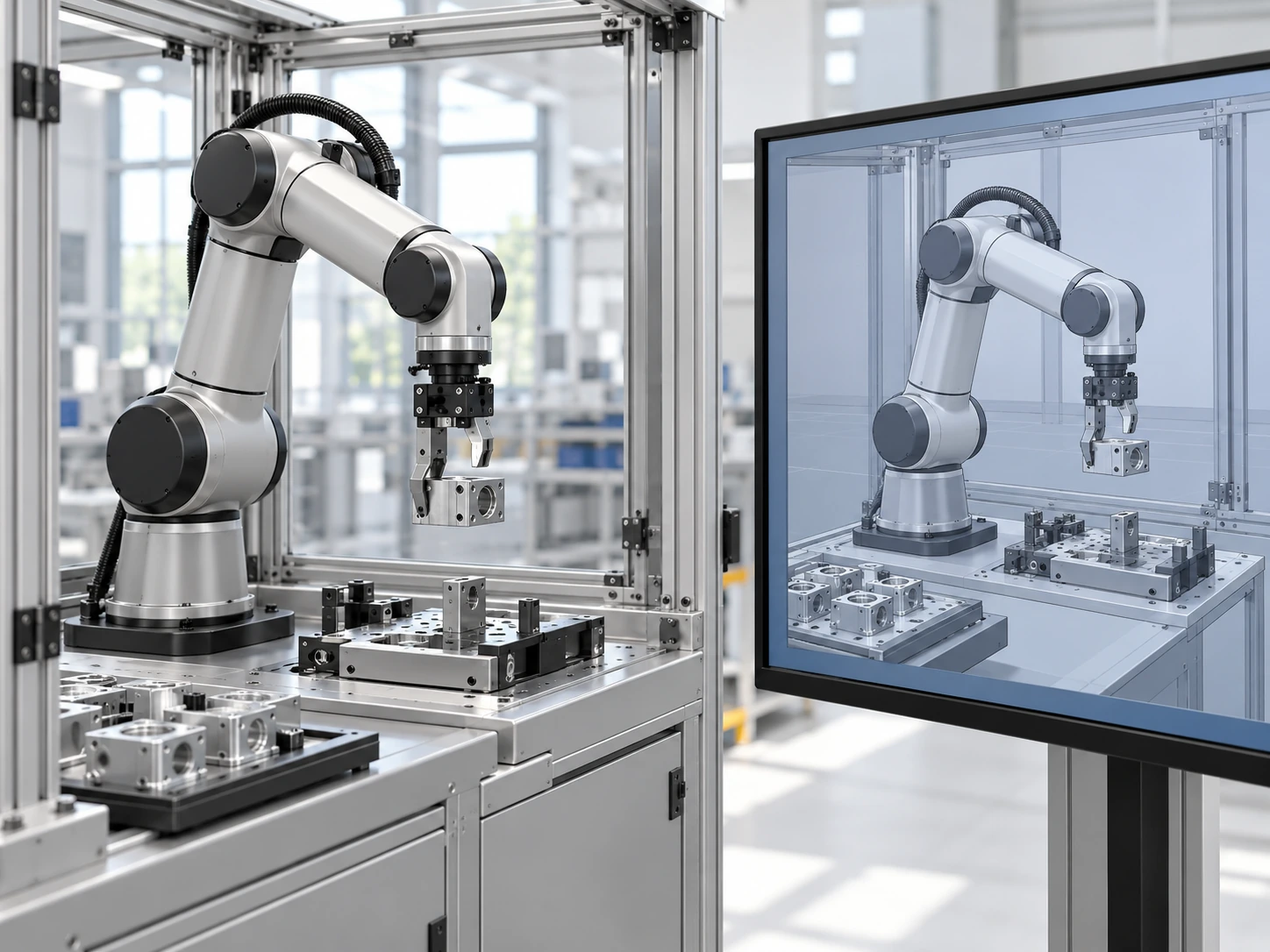
Illustrative industrial robot workcell with a corresponding digital simulation.

Physical AI, digital twins and simulation

Robotics, industrial simulation and synthetic-data workflows may combine AI processing with graphics or rendering. Those requirements should be identified explicitly: accelerator platforms do not all provide the same graphics capabilities or application support.

Establish the compute and visual-processing requirements together.

Deployment fit

The deployment environment shapes the specification.

The surrounding environment is part of the hardware requirement. Establish the available facilities, connectivity and operational expectations before treating a configuration as ready for deployment.

Illustrative rack rear showing cable routing, power provision and service access.
Rear service access, power and cooling follow the selected server platform.

Power and cooling

Review electrical provision, rack power distribution and the cooling arrangement of the selected platform. Air-cooled and liquid-cooled systems have different facility requirements.

Rack layout and access

Consider equipment dimensions, rack compatibility, installation space, cable routing and service clearance. A configuration must be practical to install and maintain.

Connectivity and data

Establish how compute systems communicate, how applications reach data and how the hardware is managed. Network design and storage access should reflect those different roles.

Software and operation

Identify the intended software environment, management approach and integration dependencies. Software licences, installation and ongoing operations are included only where expressly agreed.

Private, on-premises and sovereign deployment requirements should be defined as part of the project. Hardware selection alone does not establish security, compliance or data-sovereignty outcomes.

Cloud 9 supply

A complete hardware specification for the intended deployment.

Cloud 9 sources and supplies AI server hardware against an agreed configuration and scope. The requirement may be a single compute node, additional systems for an existing environment, or a coordinated rack-based deployment.

Platform selection, supporting components, quantities and deployment dependencies are considered together, so the supply discussion reflects the complete hardware requirement.