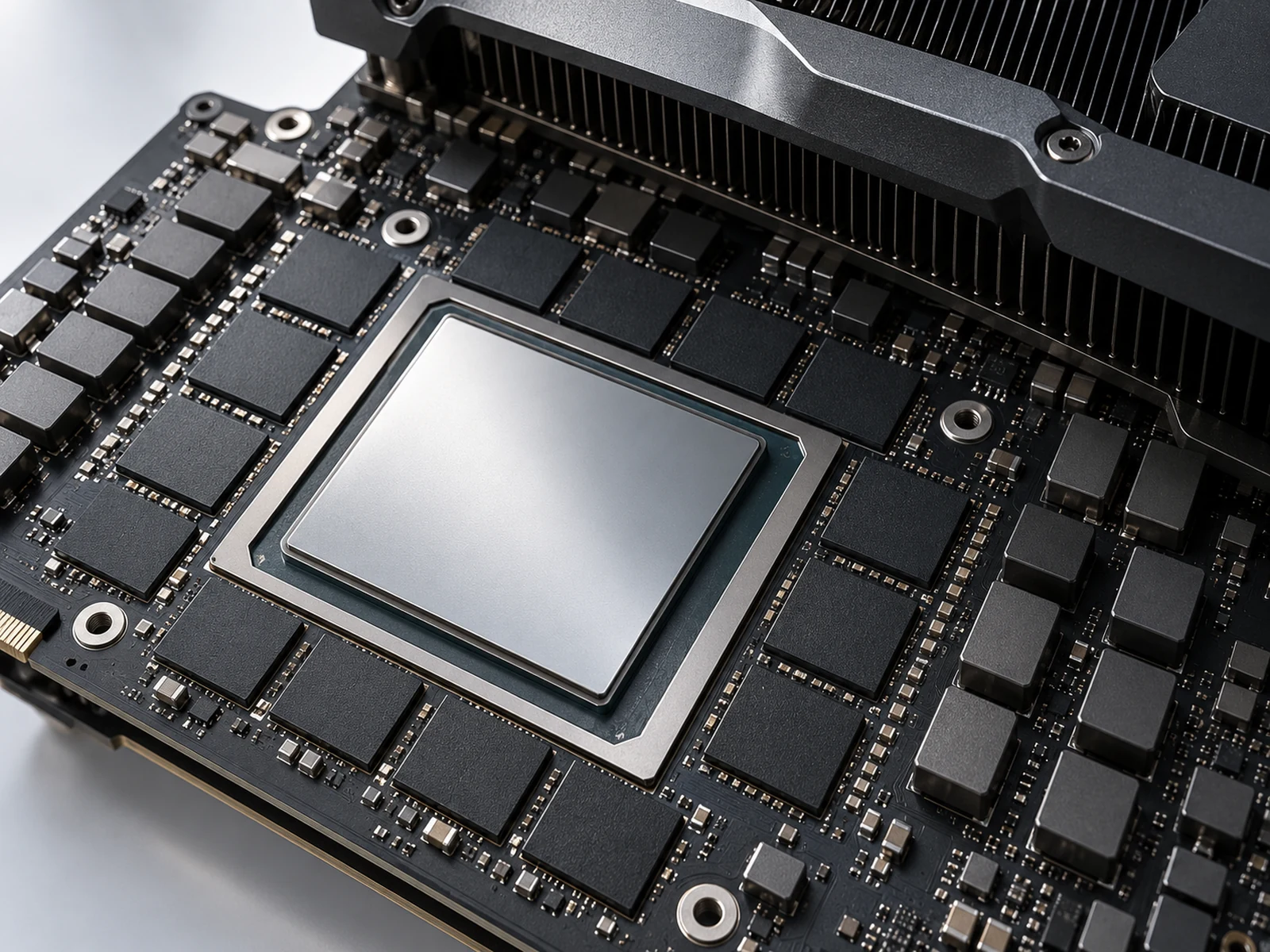
Blackwell
Newer compute and media capabilities.
Blackwell professional graphics introduce fifth-generation Tensor Cores, fourth-generation ray tracing, GDDR7 memory and updated media engines in applicable models.

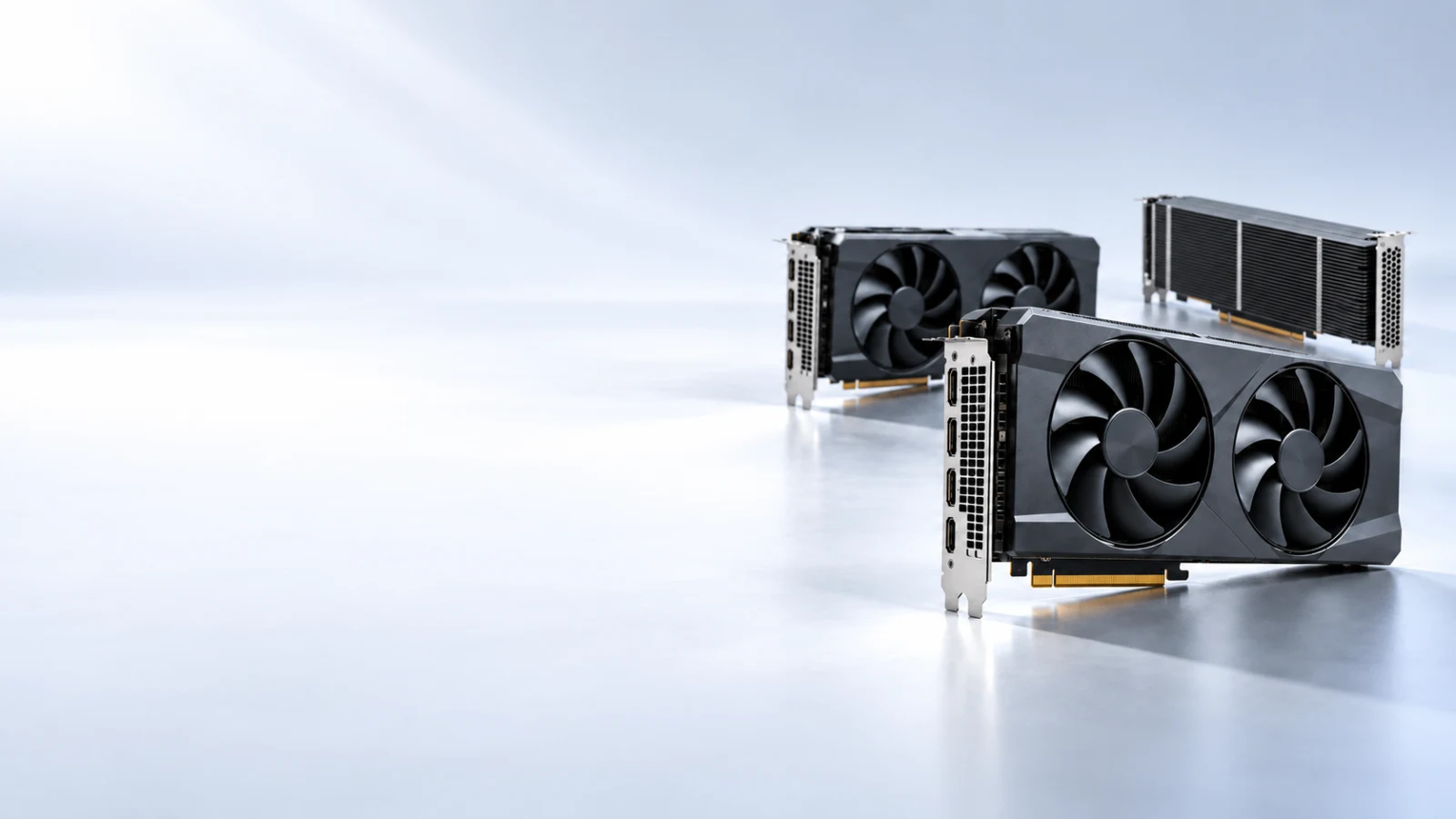
NVIDIA RTX PRO Blackwell and RTX Ada Generation graphics support local AI development, visual computing, rendering and accelerated applications. Cloud 9 sources professional PCI Express GPUs individually and as part of workstation and selected server configurations.
Professional GPUs provide parallel processing, dedicated graphics memory and specialised resources for AI, rendering and scientific applications. Their practical value depends on the software, precision requirements, working data and system in which they operate.
Blackwell adds newer Tensor Core, ray tracing, memory and media capabilities; Ada remains relevant to professional graphics and supported accelerated workloads. Cloud 9 places that choice within the surrounding compute platform, from individual workstation upgrades to qualified GPU server installations.
Select a published NVIDIA model or edition to inspect its architecture, graphics memory, bandwidth, PCIe interface, compute figures and integration requirements. Workstation cards and server editions remain distinct; the RTX PRO 5500 is included as a planned product with preliminary specifications.
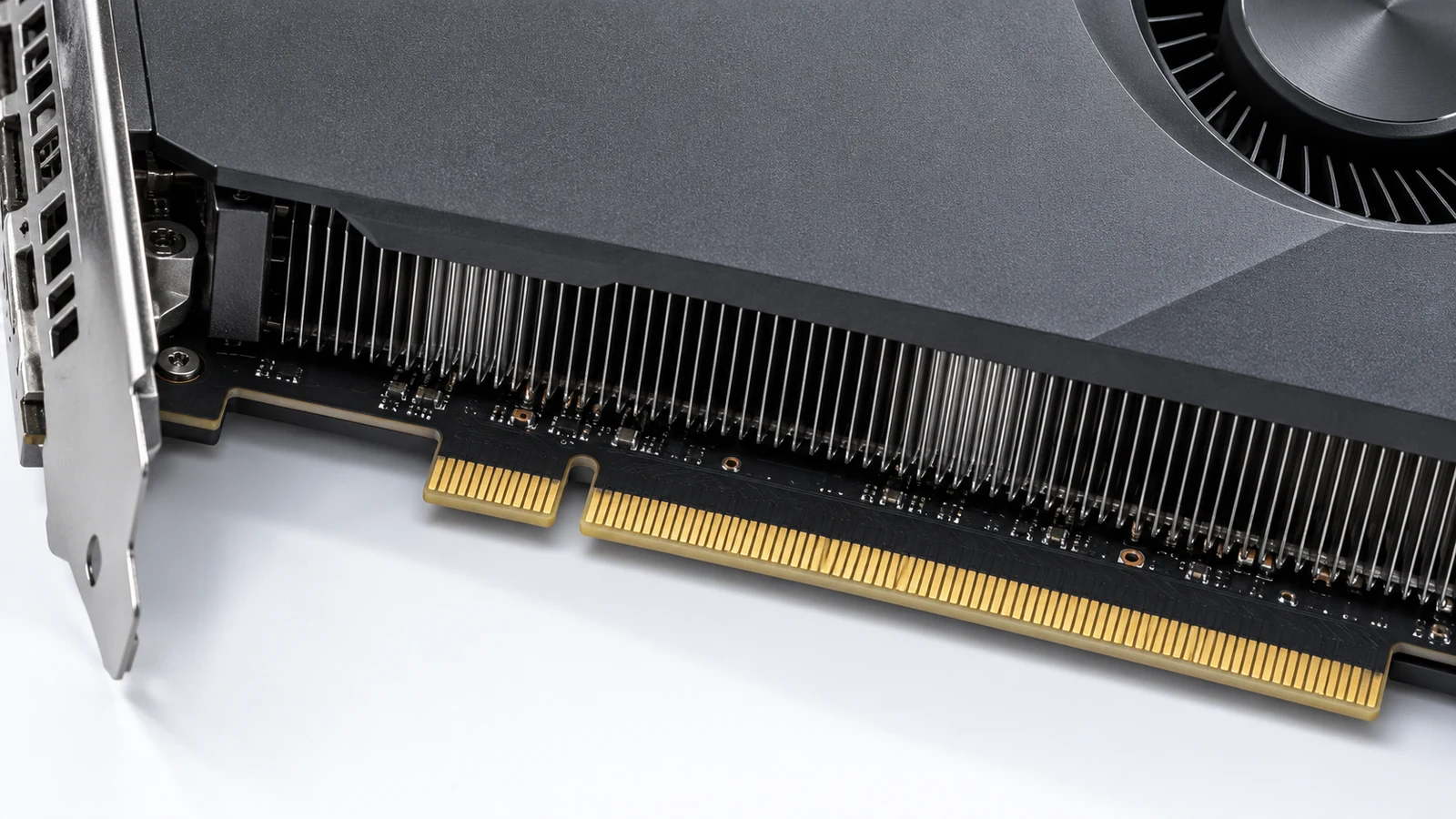
Published manufacturer specifications. RTX PRO 5500 Blackwell Workstation Edition is planned; specifications are preliminary.
Architectural capabilities vary by the exact card, driver, operating system and application.
Blackwell professional graphics introduce fifth-generation Tensor Cores, fourth-generation ray tracing, GDDR7 memory and updated media engines in applicable models.
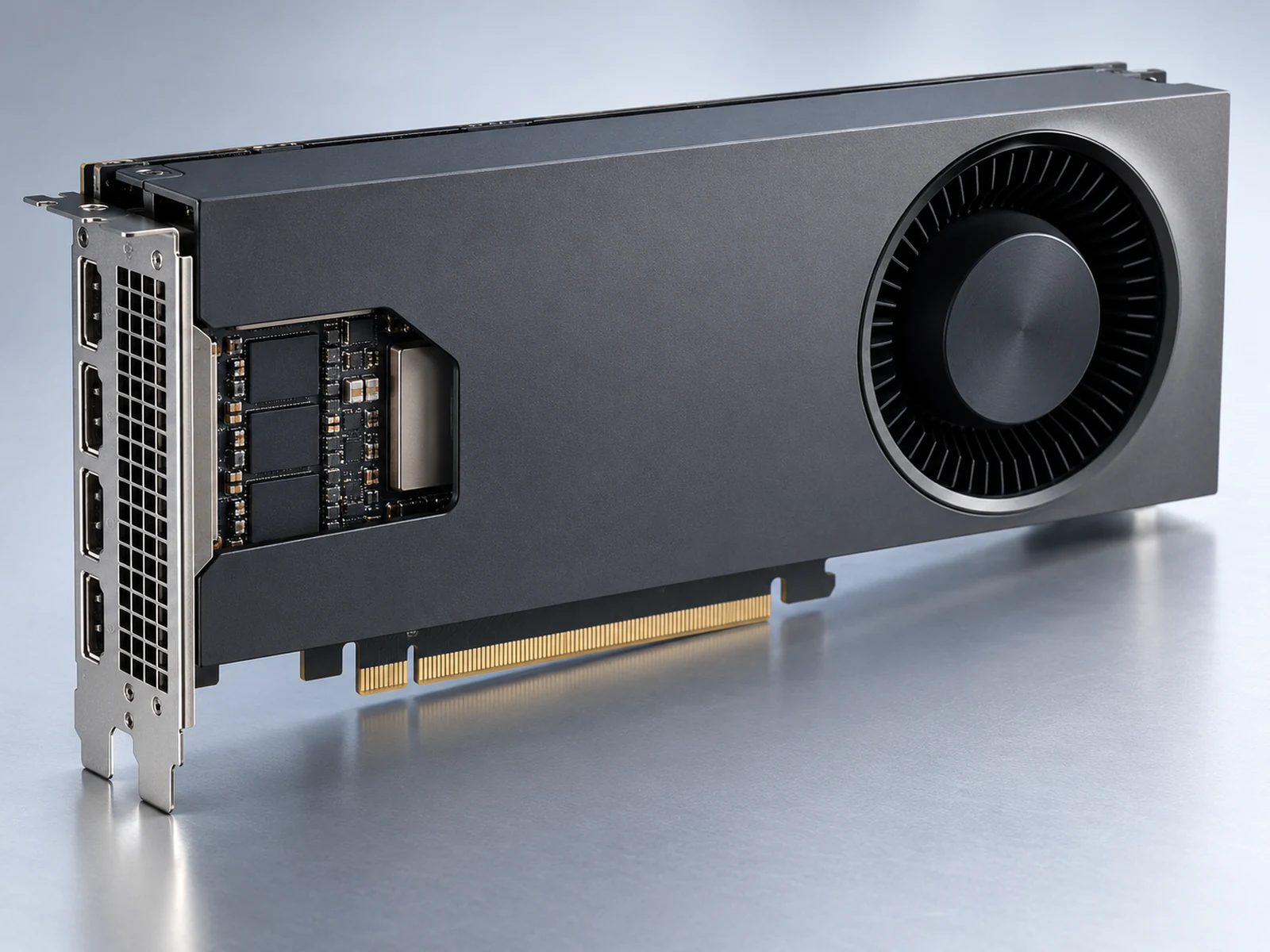
Ada Generation retains fourth-generation Tensor Cores, third-generation ray tracing and GDDR6 ECC in the workstation range.
CUDA, CUDA-X, TensorRT, NVIDIA RTX technologies and Omniverse-related workflows form part of NVIDIA’s broader computing ecosystem. Capability and support vary by GPU, driver, operating system and application. Licensed NVIDIA AI Enterprise products and virtual GPU features are separate decisions, not automatic inclusions with every card.
Four representative workload classes show where these GPUs support professional systems. The exact model and software configuration determine what each workload can achieve.

Develop and evaluate supported models, tool-connected agents and local applications. Graphics-memory capacity, context length and runtime requirements shape the fit.
Selection factor: Model, runtime and GPU memory

Use supported acceleration for experiments, dataset preparation and appropriate adaptation methods. Feasibility depends on model size, precision, memory and framework support.
Selection factor: Precision, framework and memory
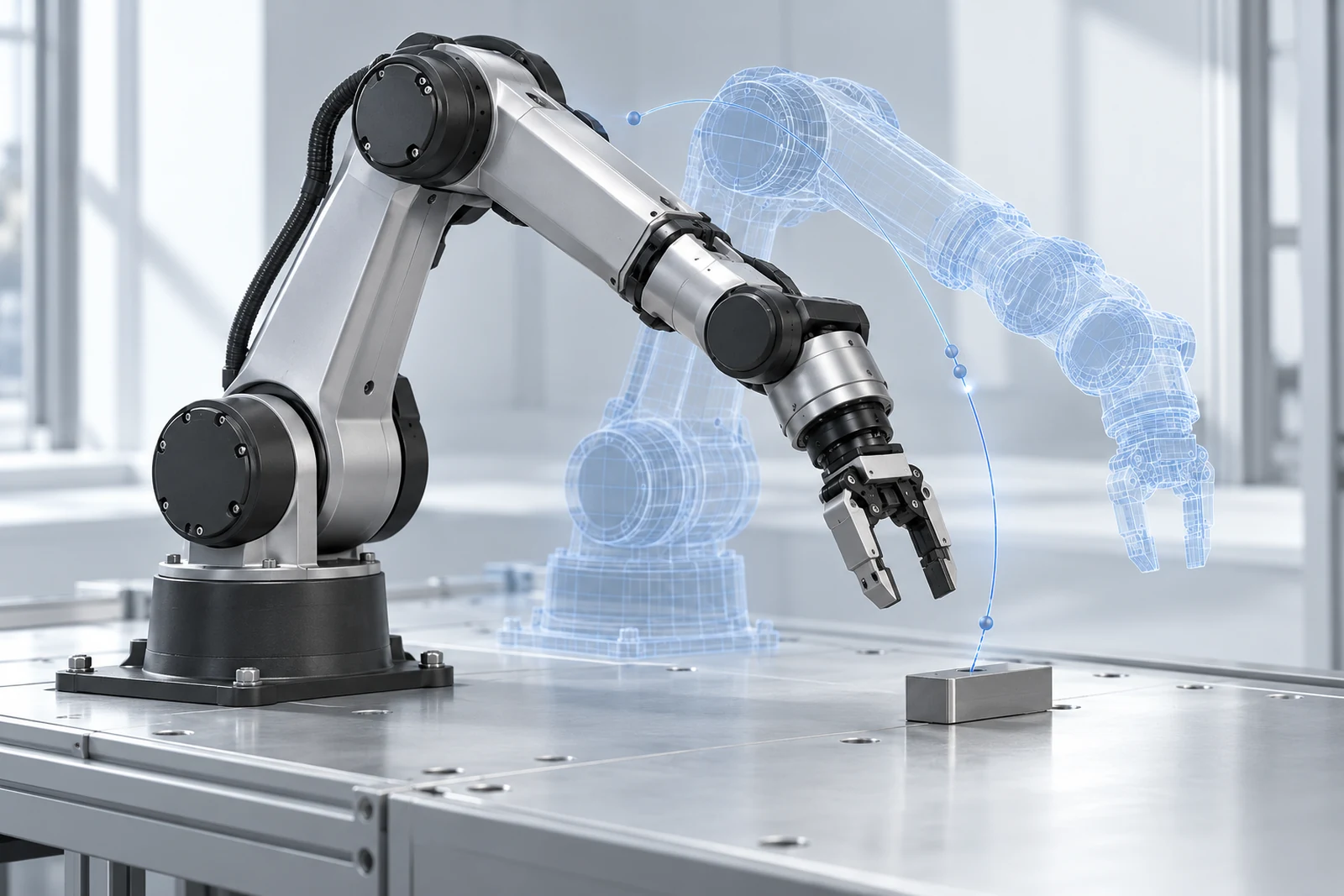
Run supported engineering simulation, synthetic-data, digital-twin and robotics workloads. CPU, GPU, software and data paths need to work together.
Selection factor: Scene complexity and software
Accelerate professional 3D rendering, visualisation and supported video pipelines. RTX graphics, ray tracing and media engines vary by model and application.
Selection factor: Renderer and media pipeline
The GPU executes supported accelerated workloads and provides its own dedicated memory. Host CPU resources, system RAM, working storage and PCIe connectivity prepare and move data around that work.
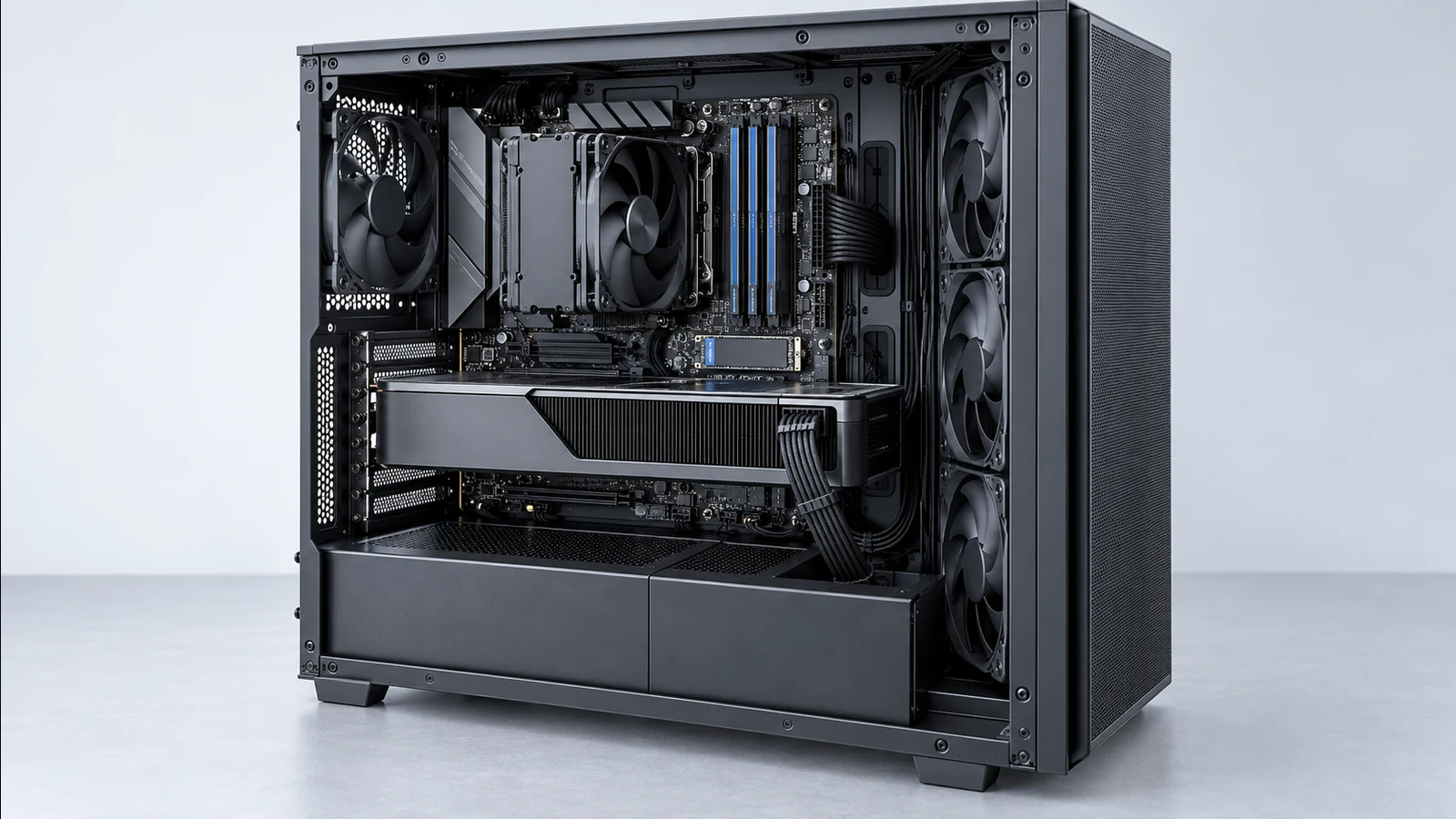
The enclosure, power supply and cooling layout must accommodate the exact board and its operating conditions. A workstation GPU selected for an individual system is different from a passively cooled server edition integrated into a qualified chassis.
Multi-GPU configurations require deliberate planning: installing more than one card does not automatically create one unified GPU-memory pool. For server editions, confirm chassis airflow, slot fit, power, connectors and system qualification.
Cloud 9 supplies professional NVIDIA PCI Express graphics for individual component requirements, system upgrades and complete AI computing configurations. The right choice follows the application, software environment, hardware fit and intended deployment.