GB10 compute platform
A 20-core Arm CPU and integrated Blackwell GPU provide host processing and AI acceleration within the Grace Blackwell platform.


GB10-based systems for local development, agents and accelerated AI.
Cloud 9 sources and supplies GB10-based AI Edge Workstations, including DGX Spark and other compact systems built on NVIDIA Grace Blackwell. Bring model development, local inference, intelligent agents and creative AI workflows onto a dedicated desktop platform.
CPU processing, GPU acceleration, unified memory and local storage form one compact working platform. Explore the parts and relationships that support the system.
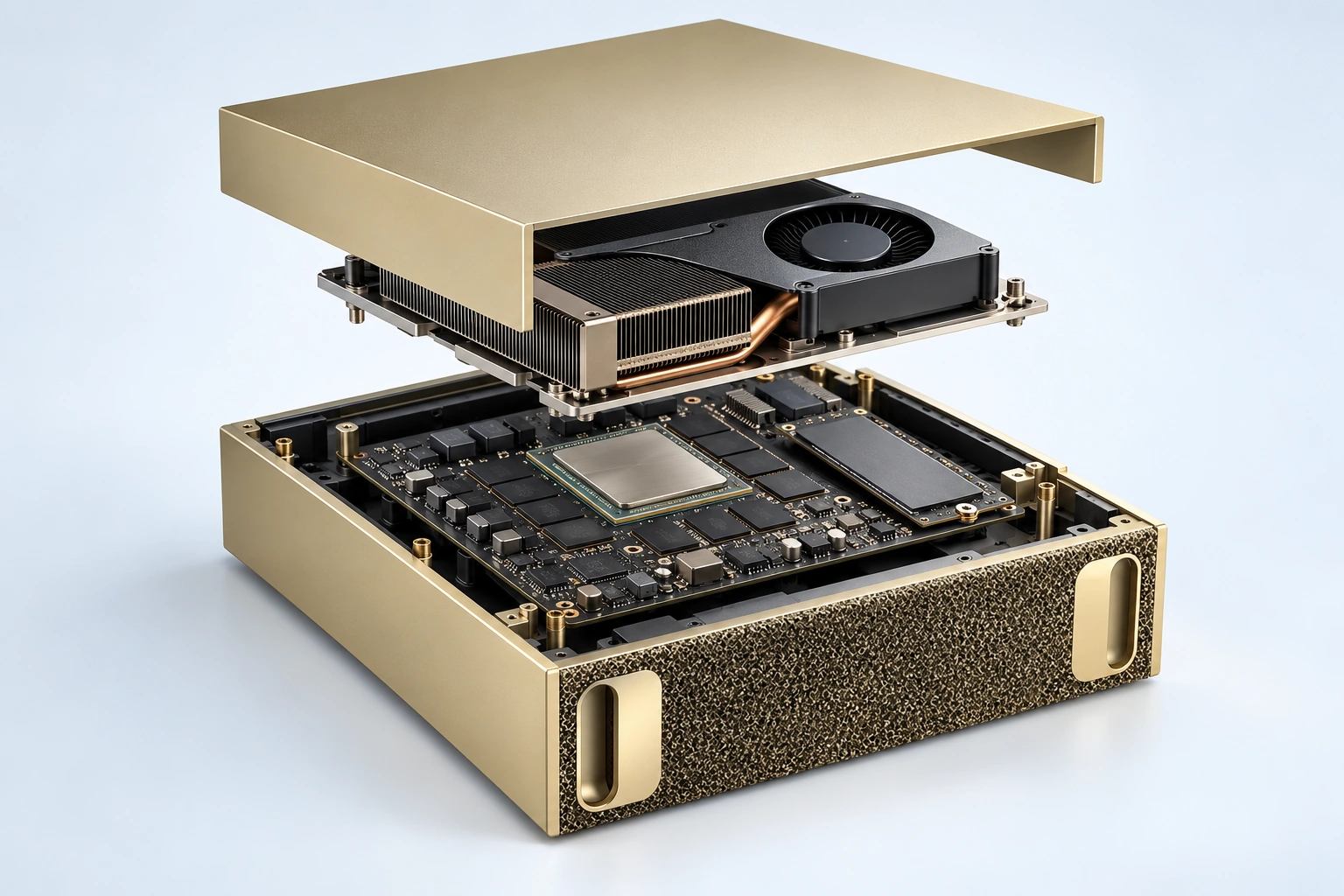
Select a part to explore the architecture.
A 20-core Arm CPU and integrated Blackwell GPU provide host processing and AI acceleration within the Grace Blackwell platform.
CPU and GPU share the system-memory architecture. The installed capacity and working allocation belong to the selected configuration.
Local SSD storage holds applications, models, datasets and outputs. Capacity and physical implementation differ by system.
The enclosure, heatsink and airflow path support the installed platform. Cooling arrangement and acoustic behaviour are system-specific.
Display, peripheral and LAN connections support the working environment. Check the connector types and versions on the chosen system.
High-speed networking connects compatible machines for supported distributed work. This is distinct from the ordinary LAN port and the internal CPU–GPU interconnect.
Compute, memory, networking and software determine what a local AI platform can do. GB10‑based systems bring these elements together in a compact form.
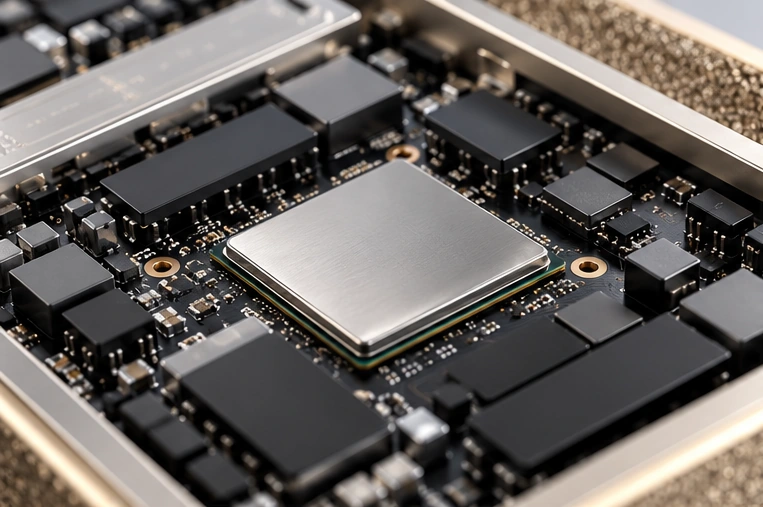
An integrated Arm CPU and Blackwell GPU bring NVIDIA-accelerated computing into a desktop-scale system. Develop applications, evaluate models and run supported AI workloads on one local platform.
Up to 1 PFLOP FP4, with sparsity. Theoretical peak, not an application benchmark.
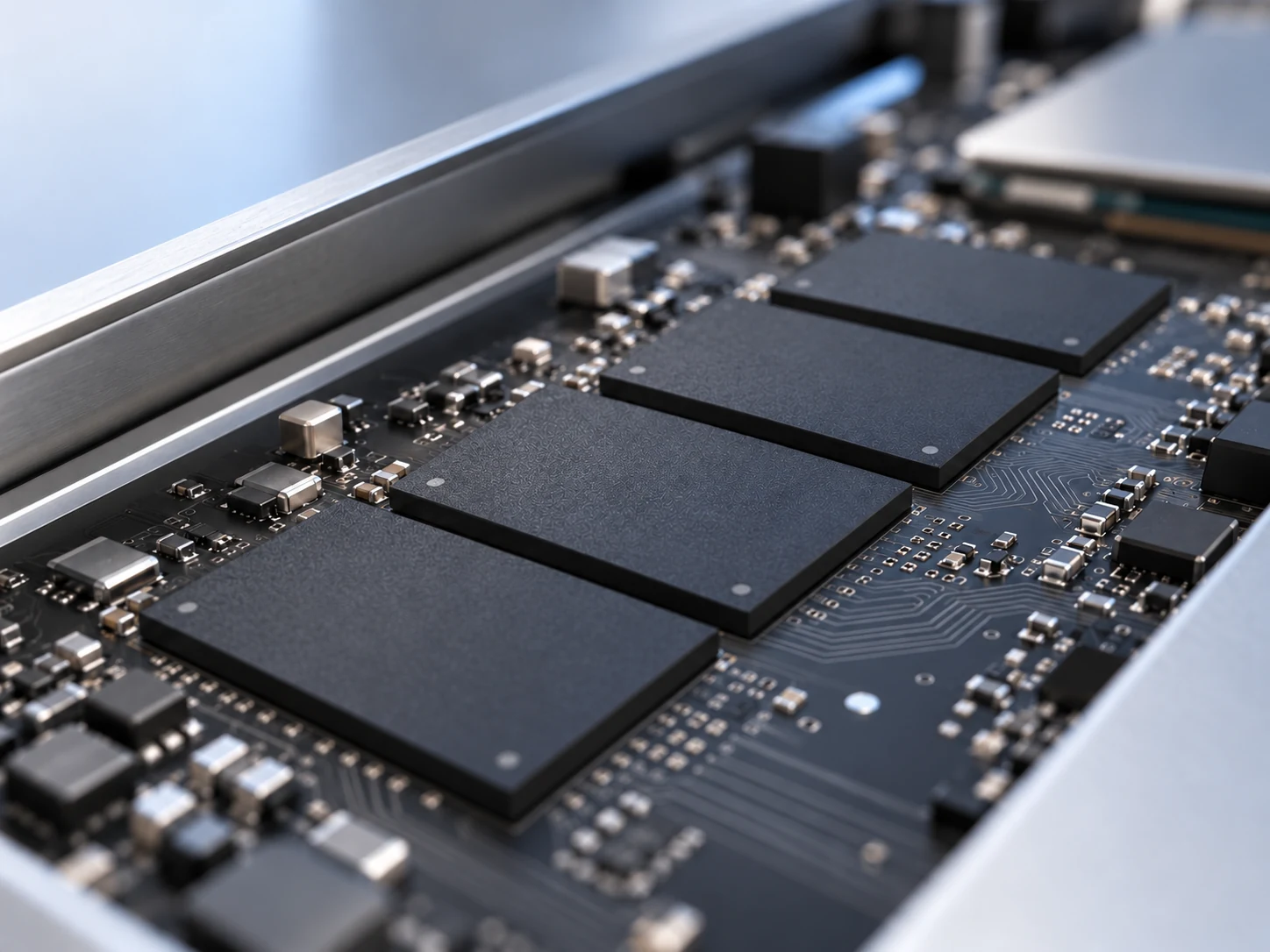
CPU and GPU work with a shared memory architecture. Substantial local capacity creates room for model weights, working data and development tasks, with the usable balance determined by the configuration and software.
128 GB reference configuration; selected OEM memory options differ.
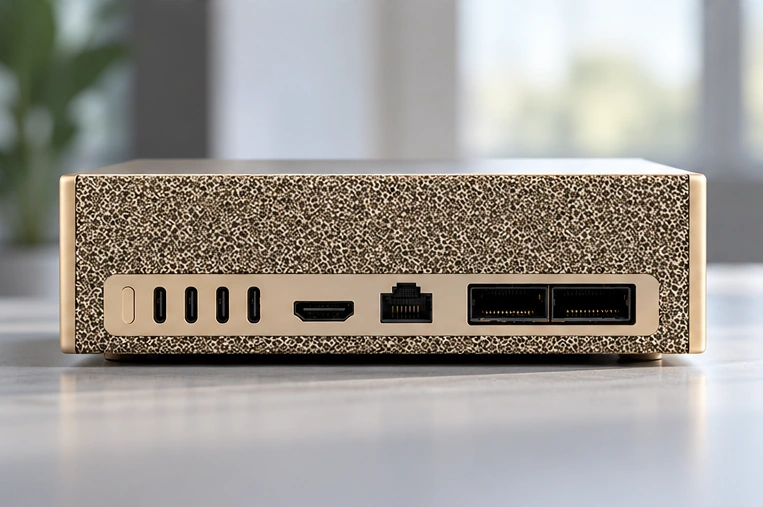
ConnectX networking provides the path for supported multi-system workloads. Use linked machines for distributed model work or separate concurrent tasks, with networking and software configured for the intended job.
ConnectX-7 networking is separate from the system’s 10 GbE LAN connection.
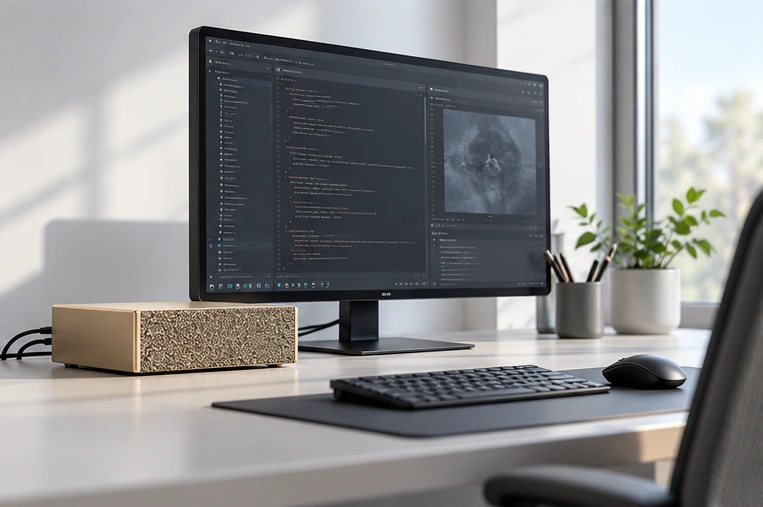
Work with CUDA-accelerated tools, frameworks and containers rather than starting from hardware alone. NVIDIA’s playbooks provide practical routes into model serving, agents, creative generation and data science.
Software images, versions, model access and commercial entitlements depend on the supplied configuration.
Develop the model, connect it to an application and evaluate the result in a working environment. These platforms support a broad range of AI tasks when the model, runtime and configuration are matched to the job.
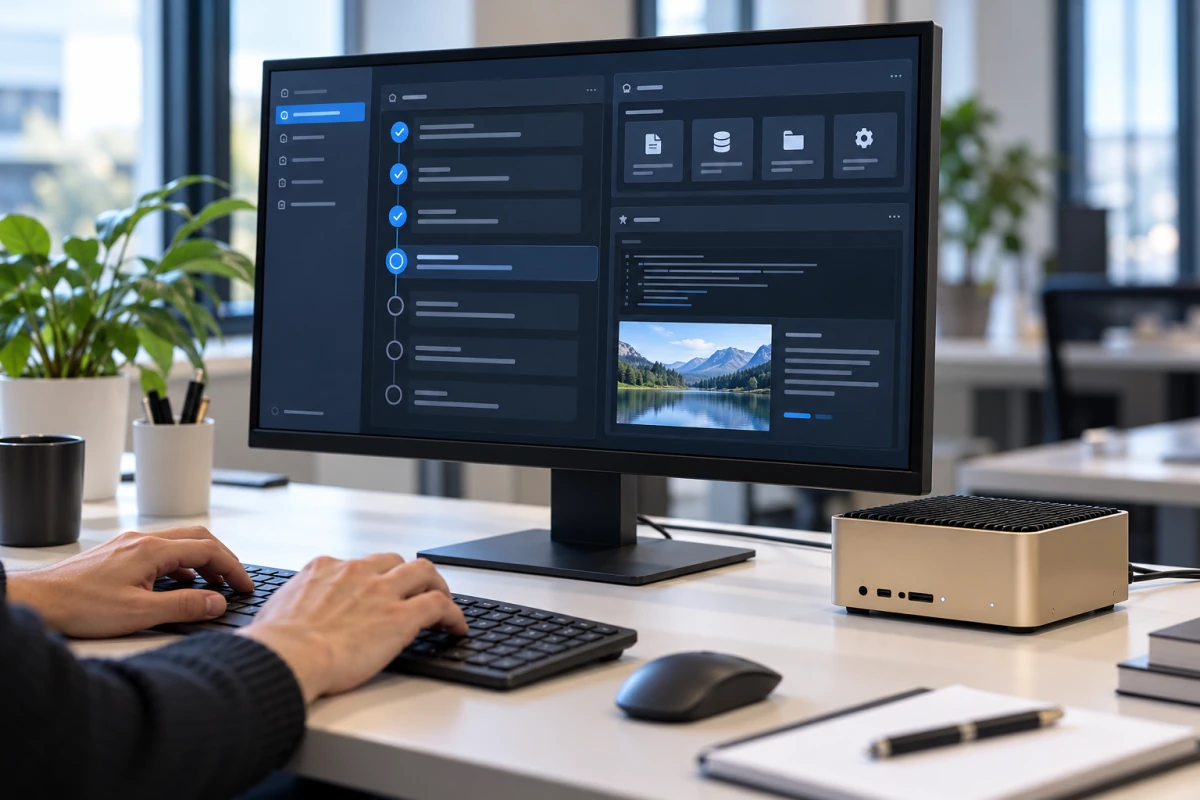
Develop assistants that plan tasks, use selected tools and work with relevant information. Keep model inference local where the workflow permits, while defining the agent’s permissions and external connections deliberately.

Compare models, prompts and integrations on a dedicated platform. Evaluate retrieval, coding and multimodal workflows against the application’s requirements before committing to a larger deployment.

Use supported fine-tuning methods to work with task-specific data and evaluate the resulting behaviour. Model size, precision, training method and memory requirements are considered together.

Run supported inference engines and expose model capability to selected applications or users. Choose the serving configuration around memory, response requirements and concurrent work.

Prepare data, explore relationships and test analytical models with supported GPU-accelerated tools. Connect experimentation to a reproducible workflow rather than treating the machine as a benchmark alone.
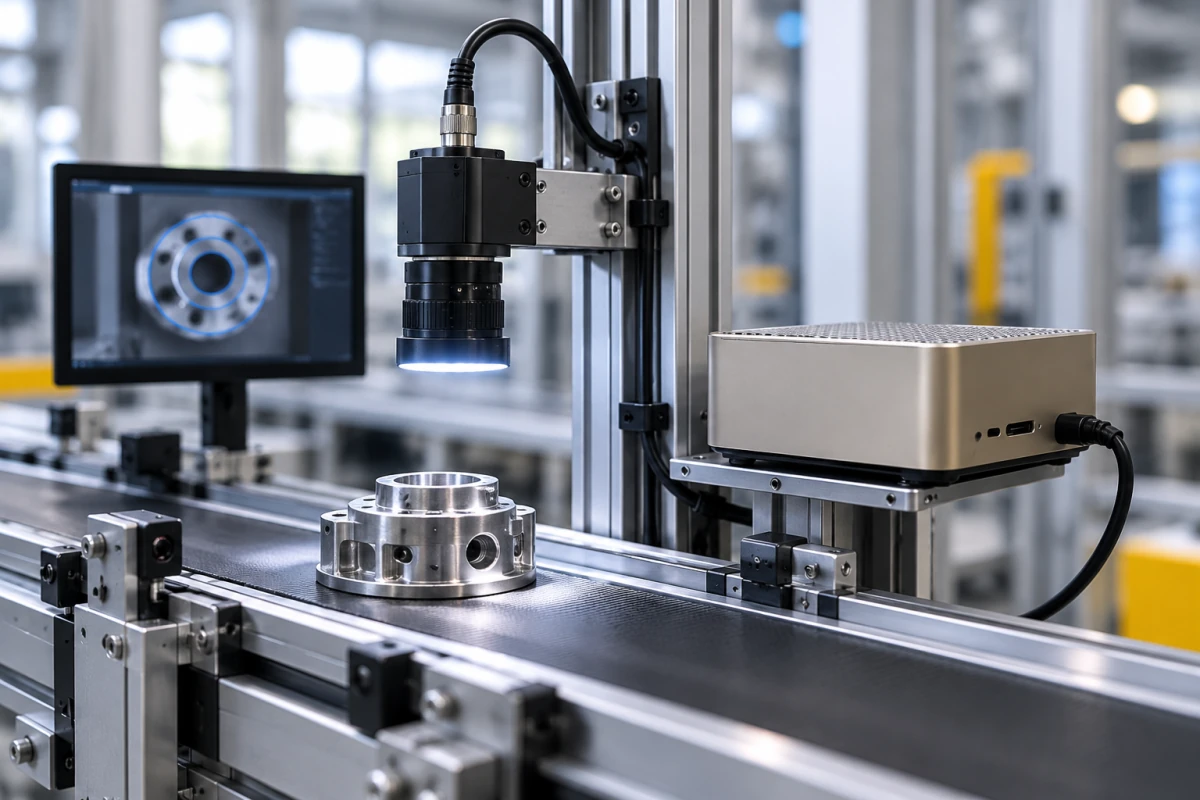
Prototype visual inspection, perception and robotics-related applications using compatible frameworks. Evaluate the workflow locally before selecting the hardware and environment for its final deployment.
Start with a dedicated machine, then link compatible systems when the workload can use more resources. High-speed networking supports distributed jobs and parallel work across a small group of desktop systems.
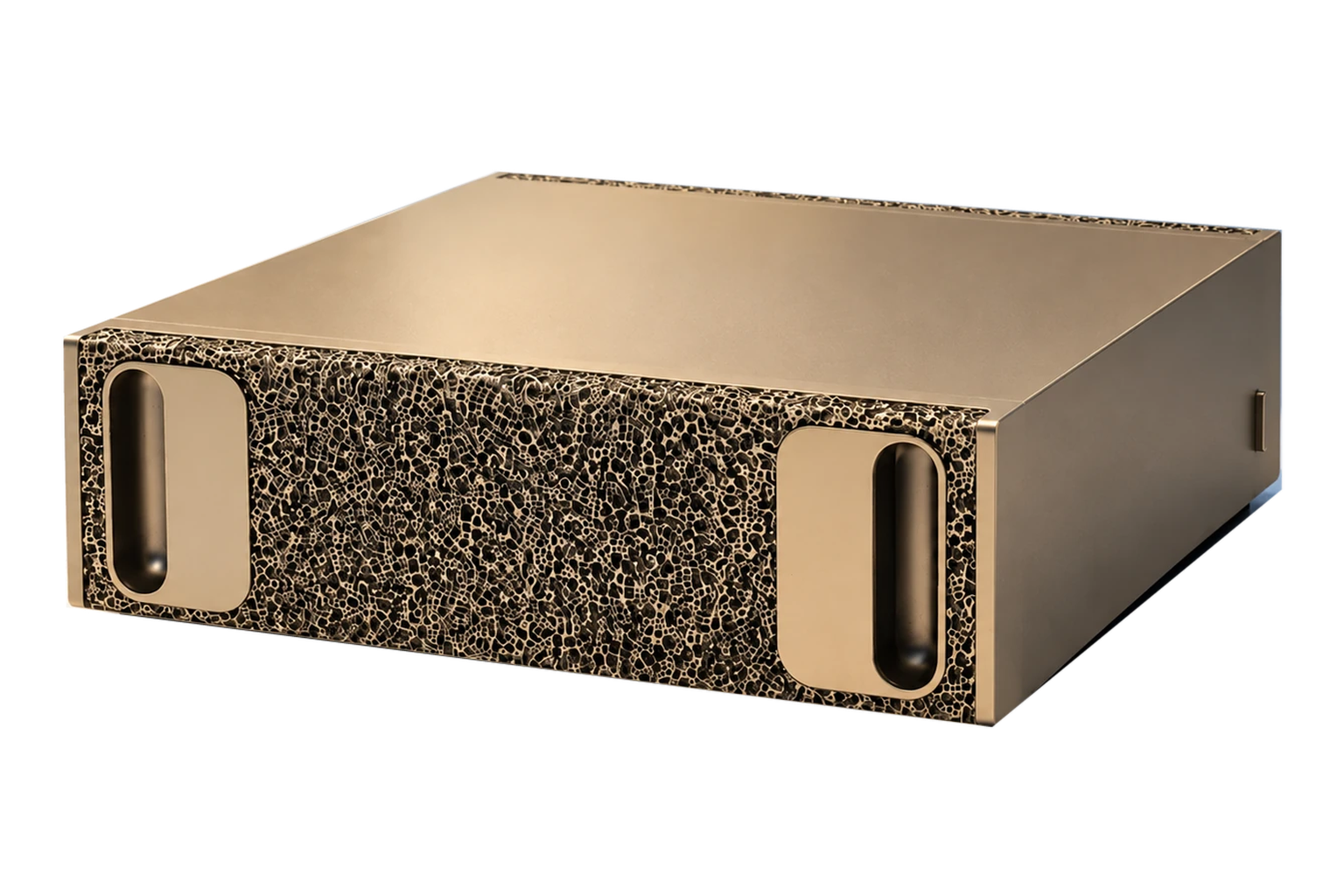
A dedicated local environment for model development, inference and selected applications.
Run independent jobs or use a supported distributed recipe that divides work across both systems.
Explore broader multi-node work using an appropriate high-speed switch and compatible software.
These examples use 128 GB per system. Each machine retains its own memory; aggregate capacity does not create an automatically coherent pool. Workload support depends on the network, runtime, model and configuration.
See the connection playbookMove from a platform choice to a practical project. These NVIDIA-authored guides cover local conversation, creative generation, model serving, programming, agents and connected systems.

Build a browser-based chat workspace using Open WebUI and Ollama, with the selected model running on your local system.
Open NVIDIA playbook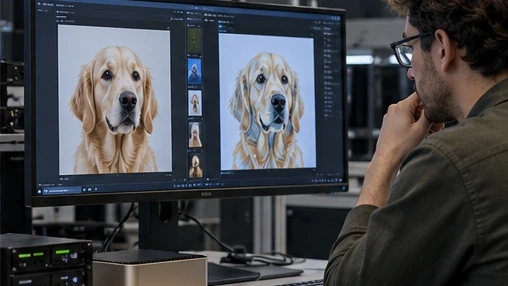
Use ComfyUI to explore image and video generation through editable, node-based creative workflows.
Open NVIDIA playbook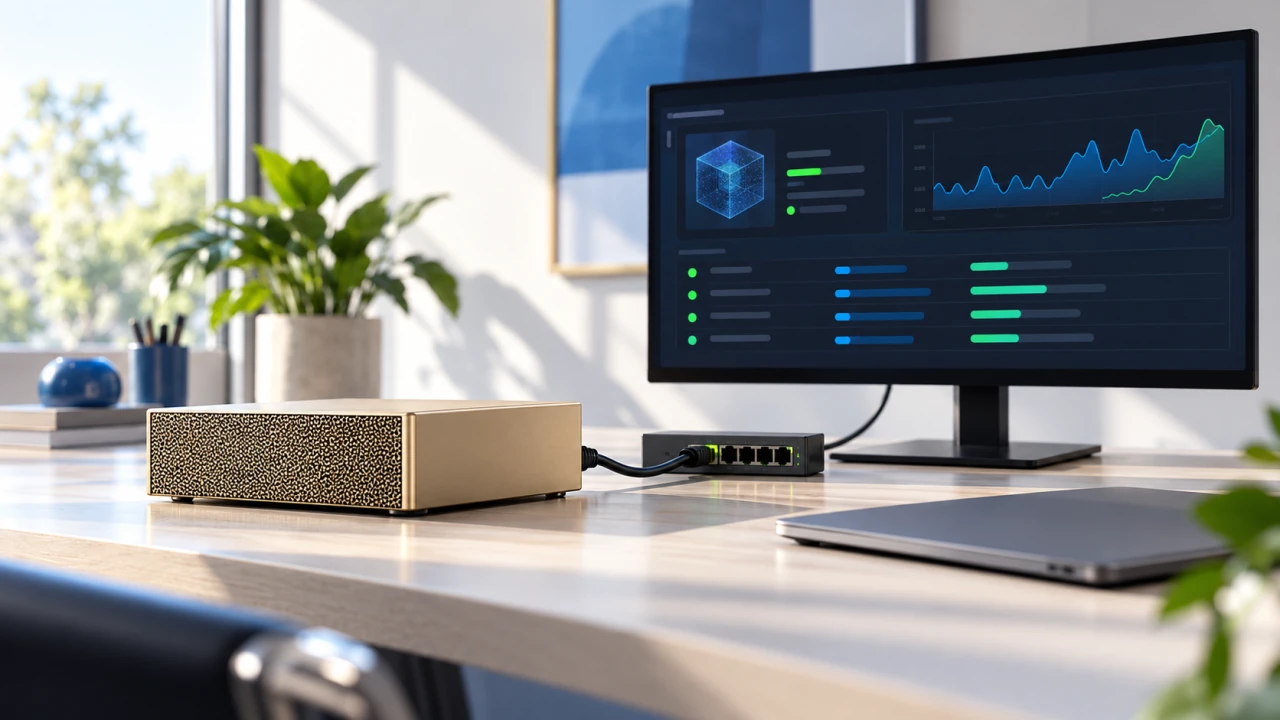
Set up vLLM as an inference service and connect applications to a local model endpoint.
Open NVIDIA playbook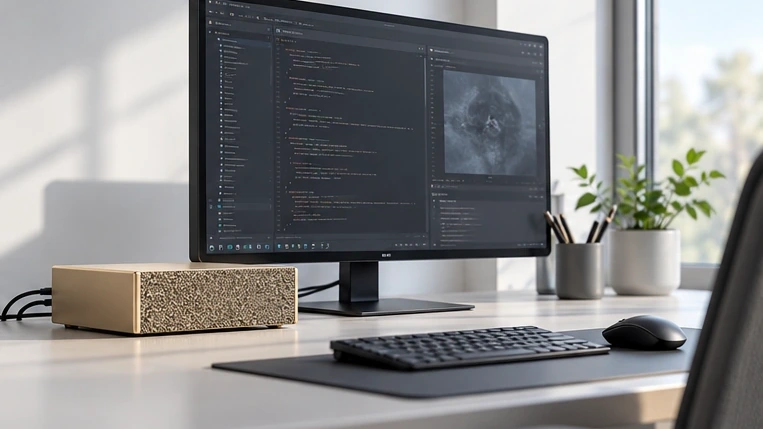
Connect a command-line coding assistant to a local model and test it on a controlled development task.
Open NVIDIA playbook
Explore OpenClaw with a local model, or follow the Hermes alternative. Set access to files, tools and external services deliberately.
Open OpenClaw playbook Hermes alternative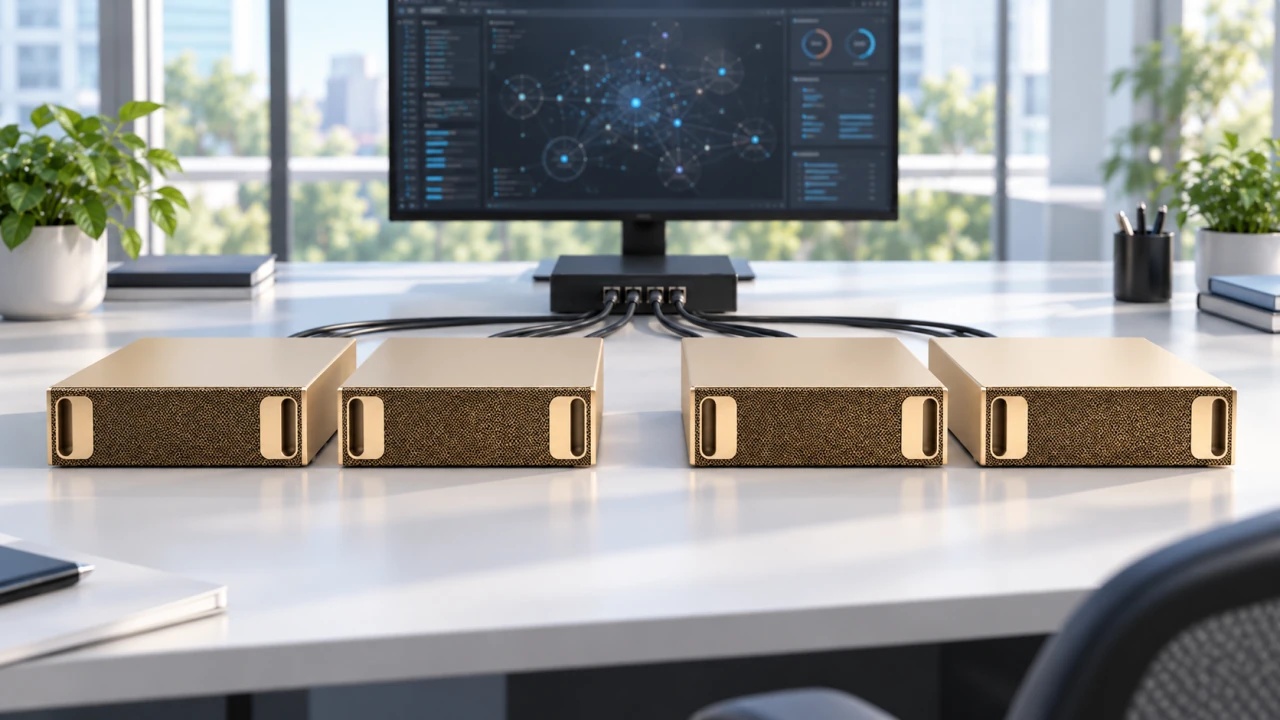
Configure high-speed connections between supported systems, then select a workload that can use multiple machines.
Open NVIDIA playbookThese external guides are written for DGX Spark. Match each guide’s OS, software, memory and networking requirements to the selected GB10 system. Model terms and software entitlements apply.
The GB10 computing foundation is shared across the range, while complete-system configurations differ. The table separates platform information from NVIDIA DGX Spark reference values so each supplied system can be specified accurately.
| Parameter | Platform / DGX Spark reference | Configuration scope |
|---|---|---|
| Compute platform | NVIDIA GB10 Grace Blackwell Superchip | Shared GB10 platform identity. |
| CPU | 20-core Arm CPU: 10 Cortex-X925 + 10 Cortex-A725 | Arm software/containers must be appropriate to the system. |
| GPU architecture | Integrated NVIDIA Blackwell GPU; 5th-generation Tensor Cores and 4th-generation RT Cores | Integrated GPU acceleration within the GB10 platform. |
| Peak AI compute | Up to 1 PFLOP at FP4 precision with sparsity | Theoretical platform peak; not tokens/second, FP16 performance or a Cloud 9 benchmark. |
| Unified memory | 128 GB LPDDR5X reference configuration; 64 GB OEM configurations also announced | Installed memory and availability depend on the selected system; memory is integrated. |
| Memory bandwidth / interface | 273 GB/s; 256-bit interface for the published 128 GB reference | Bandwidth and interface width for the published reference configuration. |
| Local storage | NVMe M.2 SSD; DGX Spark guide lists 1 TB or 4 TB | OEM capacity, drive, encryption and serviceability are model-specific. |
| High-speed interconnect | ConnectX-7; 200 Gb/s-class networking and two external QSFP connectors on DGX Spark | High-speed system networking; port provision and supported link modes depend on the selected system. |
| LAN | One RJ-45 10 GbE connection on the DGX Spark reference | Separate from the ConnectX/QSFP path. |
| USB | Four USB Type-C connectors on DGX Spark, one used for power delivery | Data, display and power capabilities are defined per connector in the selected system’s specification. |
| Display | HDMI 2.1a; published Spark support also lists DisplayPort over USB-C on up to three ports | Connector versions and display provisioning vary by system. |
| Wireless | Wi-Fi 7 and Bluetooth 5.4 on the DGX Spark reference | Wireless provision is configuration-specific. |
| Media engines | One NVENC and one NVDEC on the published Spark reference | Application and codec support depend on software. |
| Software environment | NVIDIA DGX OS on DGX Spark, with NVIDIA development and container tools | The installed software image, components and entitlements depend on the supplied system. |
| Power reference | 240 W external supply; 140 W GB10 chip TDP for DGX Spark | These are different quantities, not a measurement of constant wall-power draw. Adapter ratings vary by system. |
| Physical reference | 150 × 150 × 50.5 mm; 1.2 kg for NVIDIA DGX Spark | Enclosure, cooling, size and mass vary across GB10 systems. |
| Multi-system use | Documented Spark workflows connect two to four systems | A four-system example uses a suitable switch; usable capacity and speed depend on the actual distributed workload. |
Specifications checked against primary sources on 20 October 2026. Final configuration and software provisioning are defined with the supplied system.
Primary references: NVIDIA DGX Spark, NVIDIA hardware overview, NVIDIA networking guide.