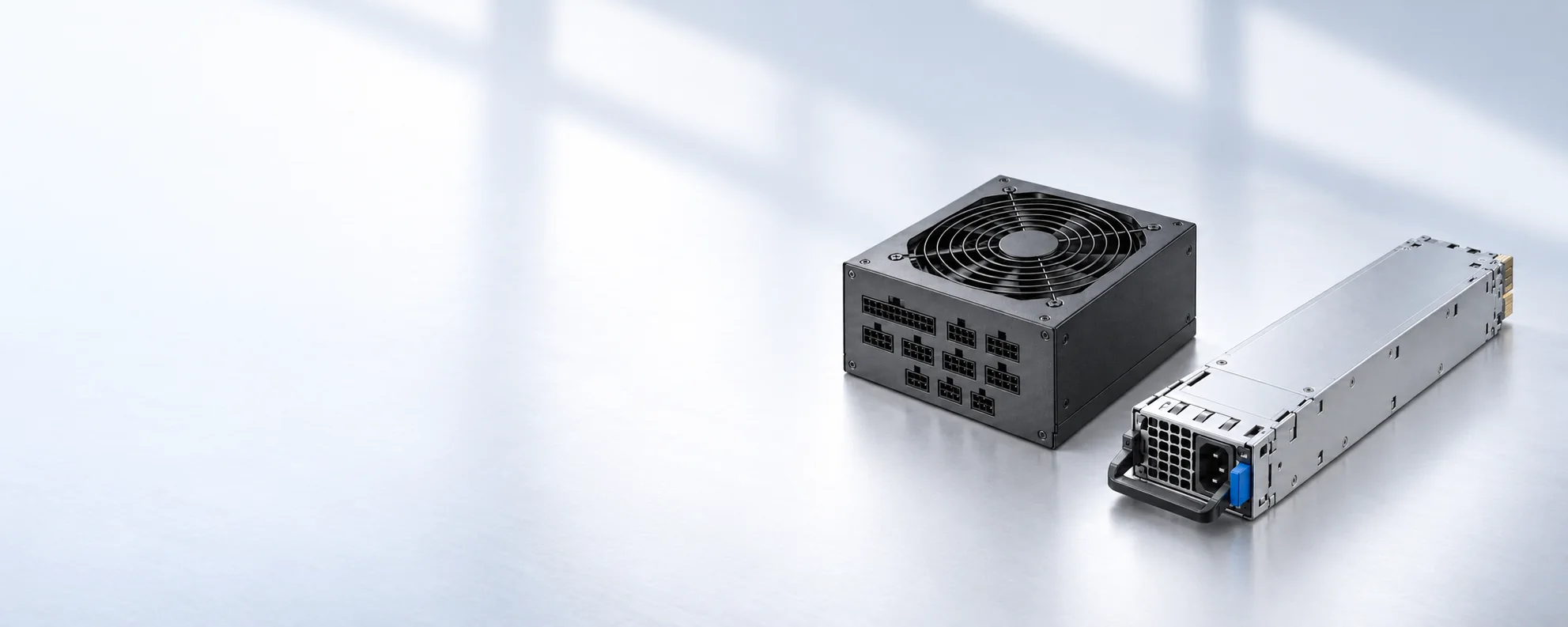
Power supplies for AI workstations and servers.

High-output, high-efficiency ATX and CRPS power supplies for GPU-intensive workstations and server platforms. Cloud 9 sources and supplies power hardware around the complete configuration, considering processor and graphics demand alongside connectivity, cooling and the operating environment.

ATX above 1,000 W · CRPS above 1,000 W

Power delivery is part of the compute platform.

Multiple GPUs and demanding host processors place substantial requirements on a machine’s power system. The supply must accommodate the complete load, including memory, storage and cooling, as well as changes in demand during computation, data movement and preparation.

Continuous output, transient response, connections and thermal conditions belong in the same specification. For multi-processor and GPU-dense platforms, power distribution and the available input supply also shape the configuration.

Cloud 9 supplies power hardware for new builds, system expansion and commercial component requirements, alongside the AI workstations and server platforms we source. The starting point is the system and the work it needs to sustain.

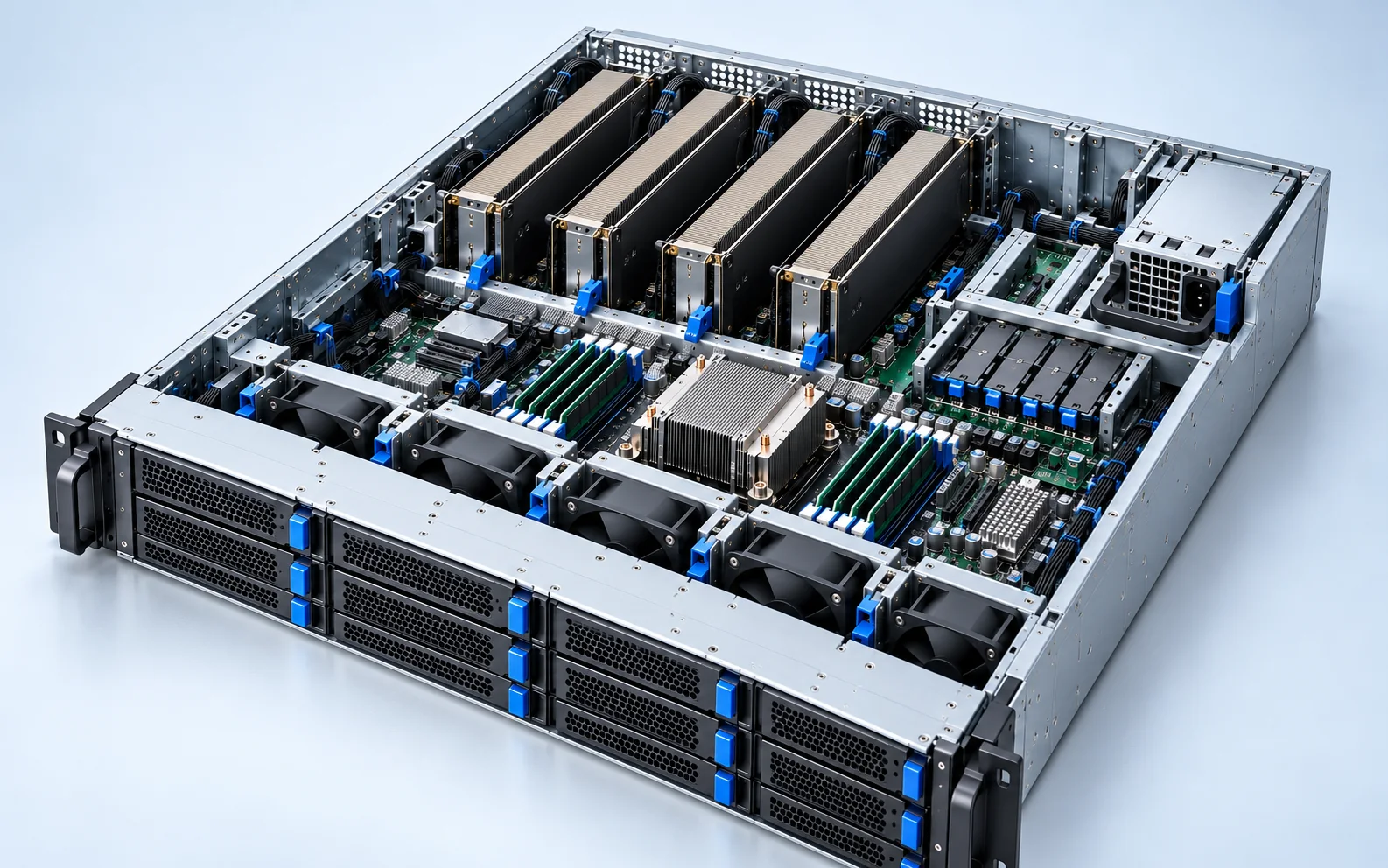
Illustrative AI compute node showing graphics cards, host hardware, cooling and the power-delivery relationship.
Power distribution through the system.

Choose the power architecture that fits the system.

ATX and CRPS address different integration and service requirements. The appropriate format follows the chassis, electrical interface and operating model of the complete machine.

ATX Power Supplies

High-output power for demanding workstation configurations.

ATX power supplies support compatible desktop, workstation and specialist system builds with substantial GPU and host-processing requirements. Output capacity, CPU and graphics connections, cable routing and enclosure fit are considered together.

The range addresses configurations where a cable-connected power supply forms part of the system’s internal layout. Connector provision and cooling are matched to the installed hardware.

ATX above 1,000 W · Configuration-specific power delivery

Explore ATX Power Supplies
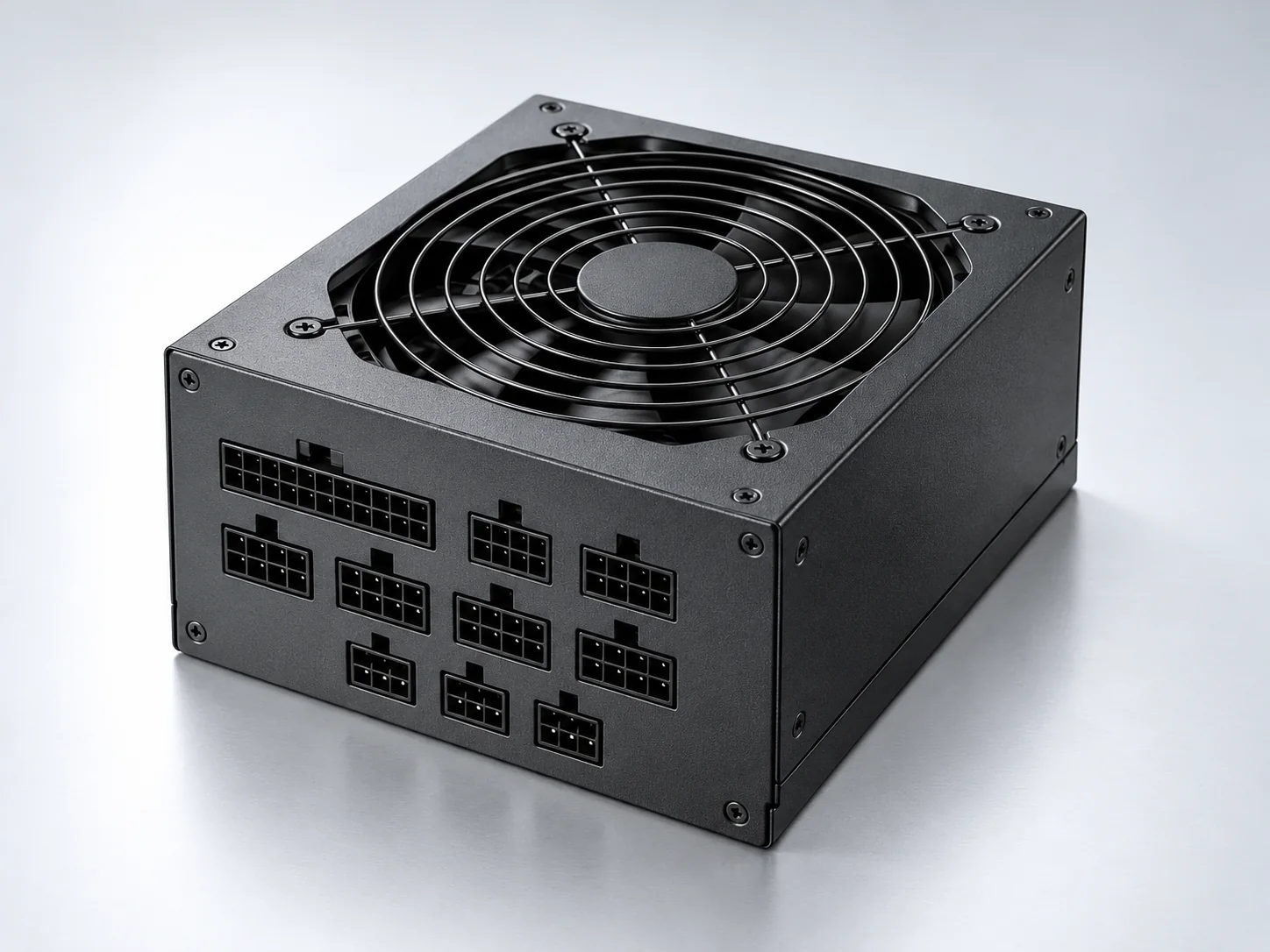
Unbranded ATX power supply with a large fan grille and cable connection panel.

CRPS Power Supplies

Modular power for serviceable system architectures.

Common Redundant Power Supply modules serve compatible workstation and server platforms through matched power-distribution hardware. The architecture can support shared load, replaceable modules and defined redundancy arrangements.

Module selection considers the electrical interface, input conditions, airflow and the capacity required when a module is unavailable. Mechanical fit alone does not establish compatibility.

CRPS above 1,000 W · Platform-matched modular power

Explore CRPS Power Supplies
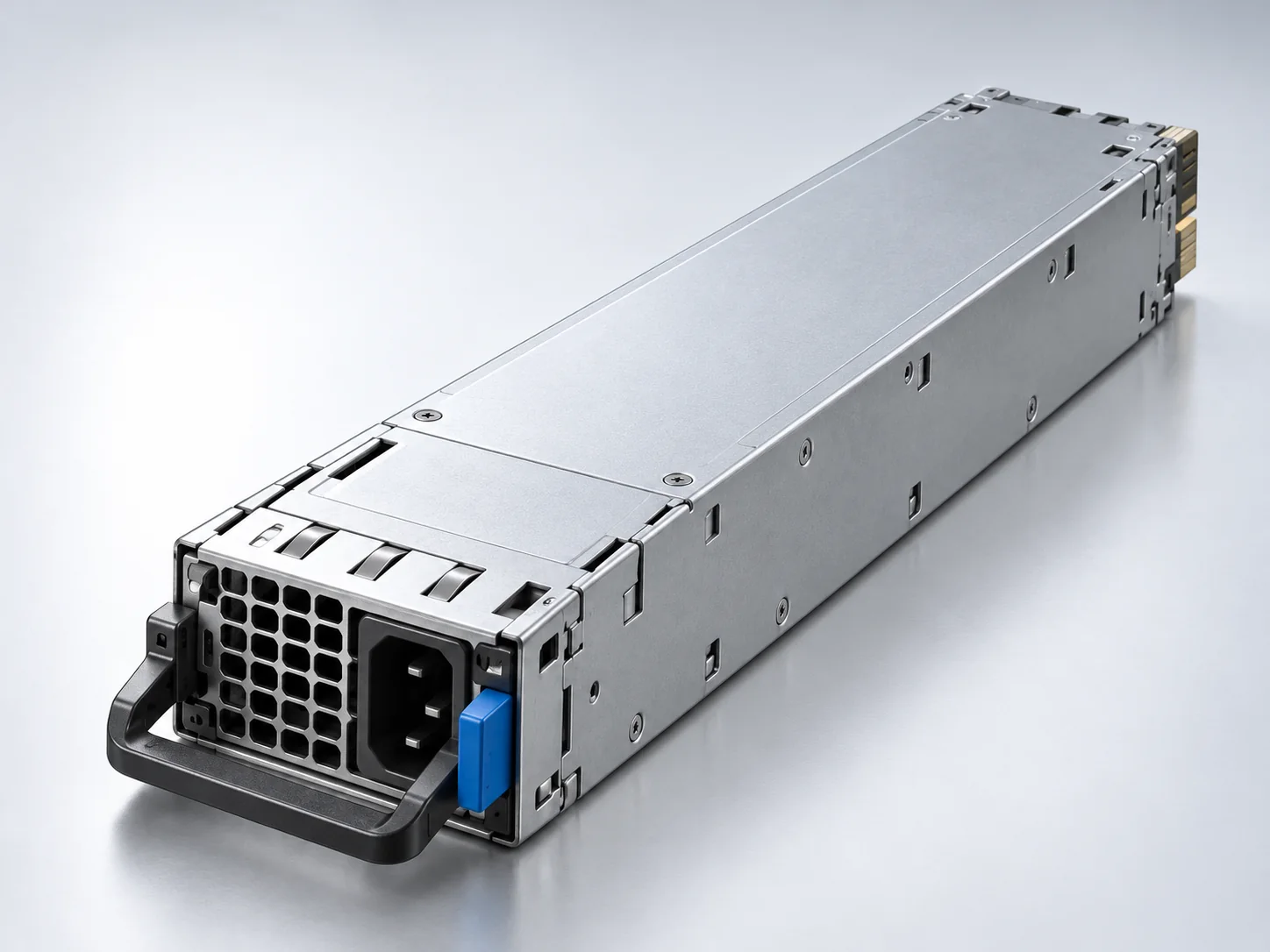
Unbranded CRPS module with a silver enclosure and service handle.

Inside the power supply.

Explore the main stages that turn incoming power into controlled output for the system. ATX and CRPS share fundamental conversion functions, while their packaging, connections and system interfaces reflect different installation requirements.

Choose a power supply class, then select a component area or its matching label.

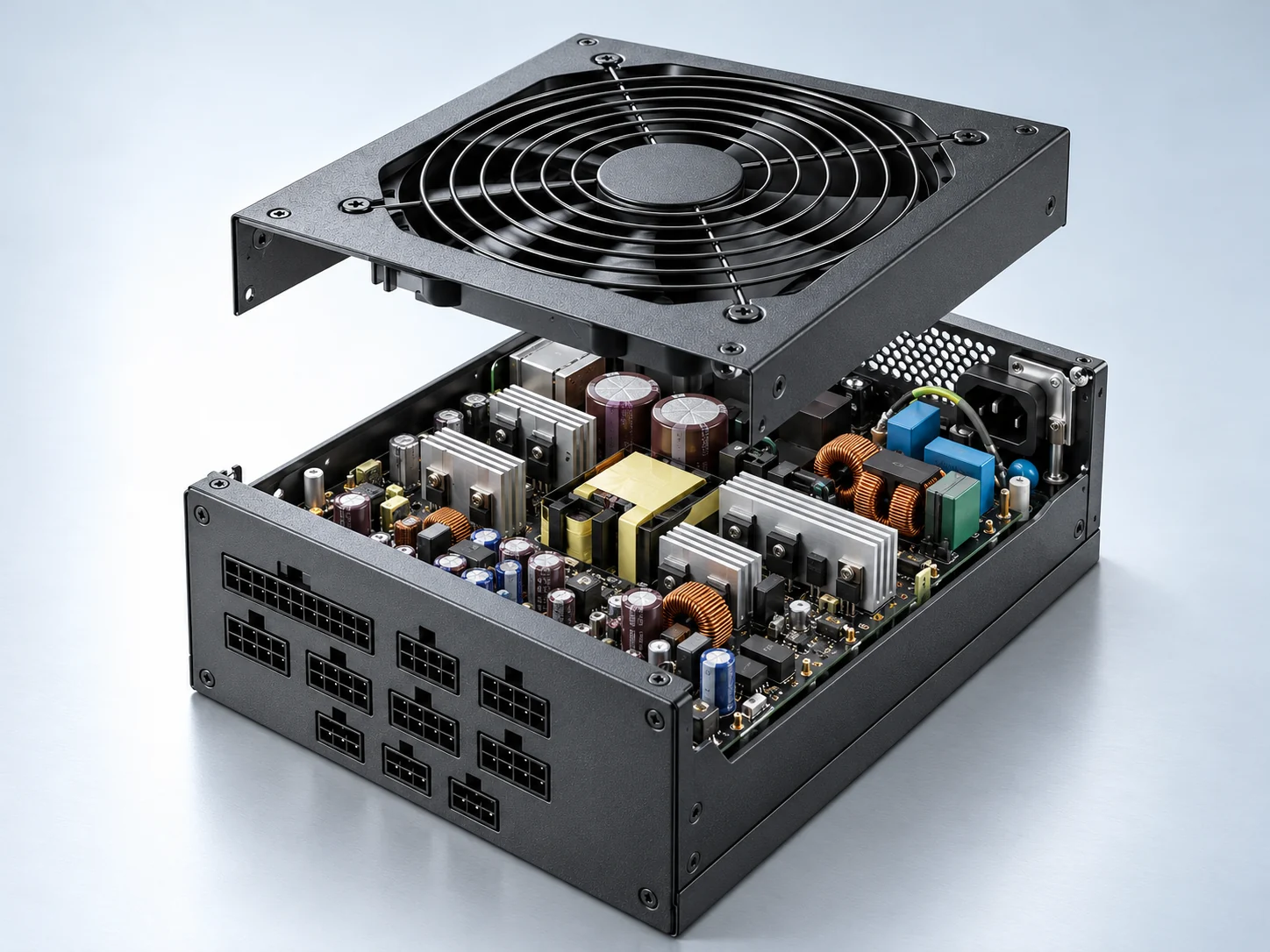
Illustrative exploded ATX power supply showing its cover, fan, conversion circuitry and output interface.

ATX Power Supply

A representative cable-connected ATX supply. The illustration separates the cover and fan assembly from a populated main board so the principal power-conversion functions can be explored.

Input filtering limits conducted interference. Input-protection and inrush-control functions manage specified input and start-up conditions; their implementation depends on the design.

Active power-factor correction shapes the input current, while bulk capacitors support the internal energy-storage function. Power factor and conversion efficiency describe different properties.

Power switches and a transformer transfer energy through the main conversion stage. The isolation arrangement separates the mains-connected primary from the output side.

Rectification and filtering produce controlled DC output. Feedback and supervisory circuits regulate operation and respond to defined fault conditions.

Cable assemblies distribute power to the host hardware. The selected supply must provide the required interfaces, and modular cable compatibility must be checked for that supply.

The fan, heatsinks and enclosure guide heat removal around the conversion circuitry. Available output and acoustic behaviour depend on the design and its operating conditions.

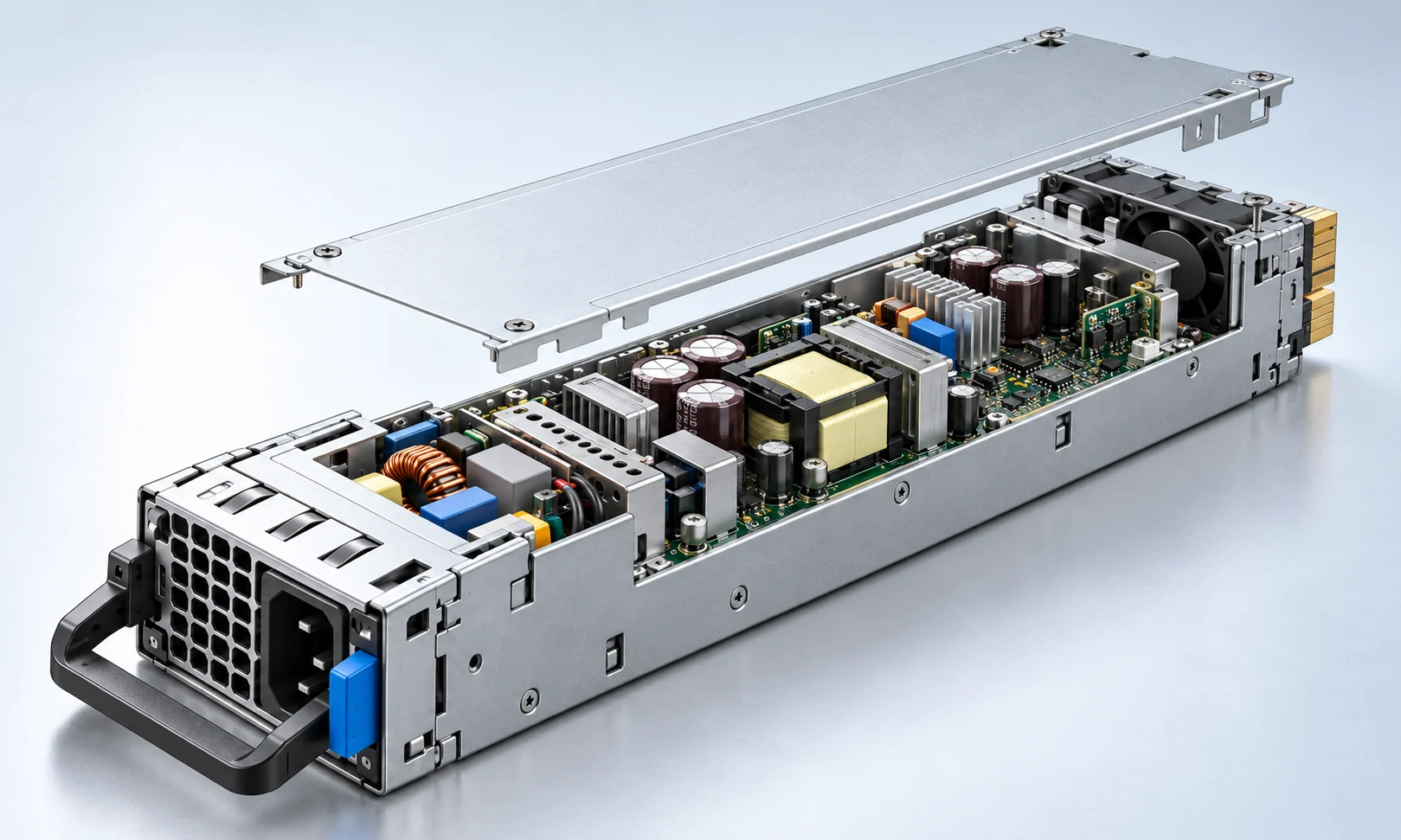
Illustrative CRPS module with its shell lifted to show conversion circuitry, cooling and the system interface.

CRPS Power Supply

A representative CRPS module with its metal shell lifted. The long populated assembly connects the service end to the system interface; exact construction and features vary by platform.

The module conditions incoming power before conversion. Input characteristics, protection and operating range must suit the system and its electrical supply.

The primary stage combines input-current control with energy storage within the module’s compact envelope. The exact topology follows the selected design.

Switching circuitry and the transformer provide controlled power transfer and primary-to-secondary isolation within a high-density layout.

Regulation, supported current sharing and fault-isolation functions help matched modules serve a common load. Redundancy also depends on the host distribution hardware and remaining capacity.

The module mates with compatible system power-distribution hardware. Supported management connections can carry status and telemetry; interface, pin assignment and host support must match.

A narrow enclosure, airflow path and service handle support the module’s installation and replacement. Airflow direction and hot-swap operation are properties of the supported system arrangement.

Internal views explain the architecture; they are not servicing instructions.

Power engineering for demanding compute.

Power technology matters through what it enables in the machine: controlled delivery under changing load, lower conversion losses and a power architecture that can be monitored and maintained.

Power that follows the workload.

GPU-intensive workloads can change demand quickly. Transient response describes how the supply controls its output through a change in load, while continuous output determines what it can sustain.

The delivery path matters too. CPU and GPU connections, cable assemblies and power-distribution hardware must match the complete configuration. A connector count is not a substitute for an electrical power budget.

Transient response · Output regulation · CPU and GPU power connections

Installed ATX power supply with separate cable runs to the workstation motherboard and graphics card.
Load
Output voltageNominal output
Time →
Conceptual load response.

Efficient conversion for sustained compute.

Conversion efficiency determines how much input power becomes usable output and how much is dissipated as heat. Lower losses reduce the additional thermal burden around sustained computation.

Resonant conversion, synchronous rectification and developments in power semiconductors can improve efficiency and power density. The benefit depends on the design and its operating conditions, including load, input voltage and cooling.

Resonant conversion · Synchronous rectification · Power density

80 PLUS efficiency ratings are assessed under defined test conditions.

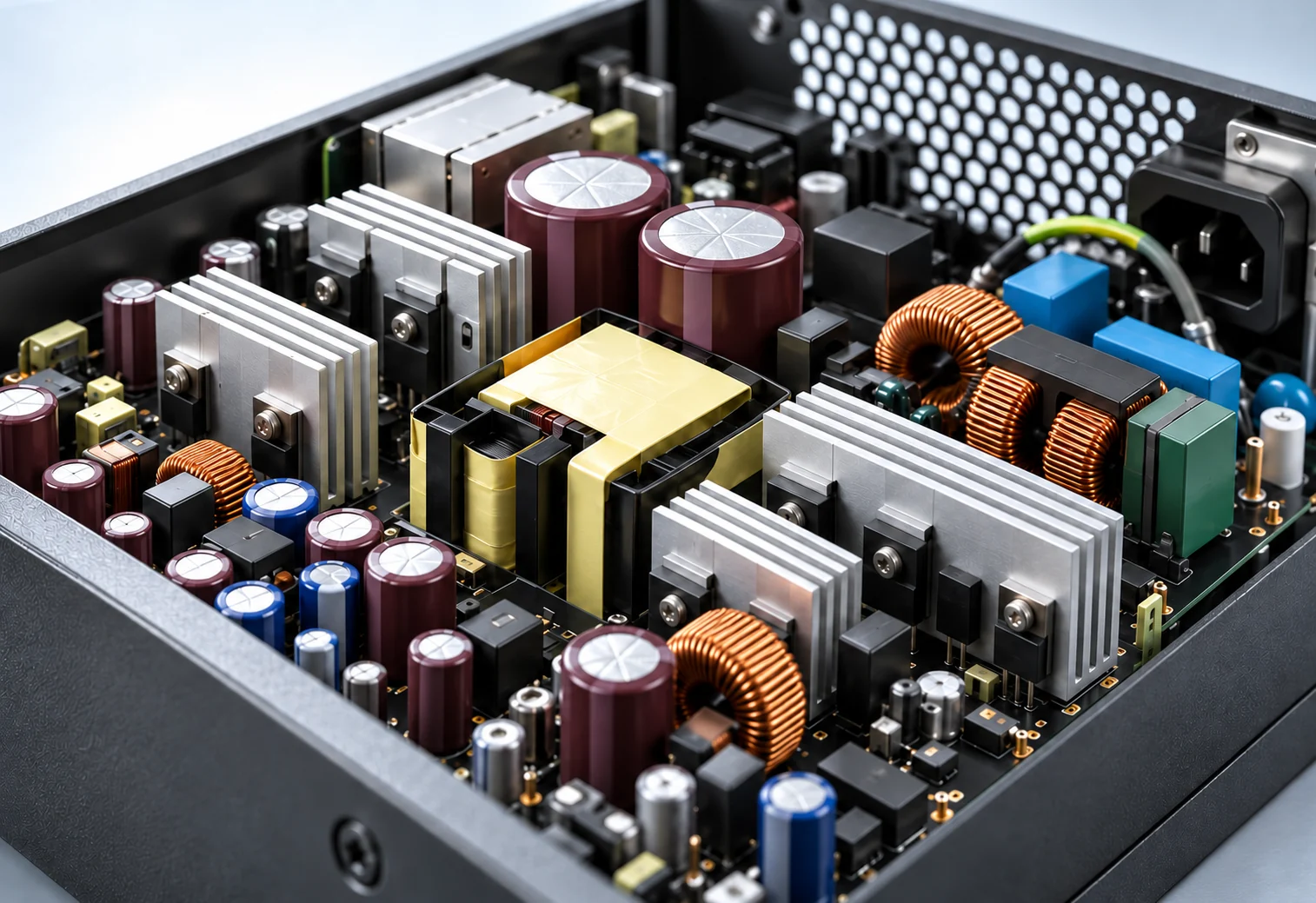
Technical detail of power-conversion components and cooling surfaces inside an illustrative power supply.
Electrical input
Power conversion
DC output to the system
Conversion loss as heat
System power relationships.

Keep capacity available during module service.

A redundant power arrangement is sized so the remaining modules can support the required load when a module is unavailable. Compatible hot-swap designs allow a complete module to be replaced while the supported system continues operating.

Load sharing, fault isolation and the host power-distribution design work together. Redundancy depends on the installed arrangement and remaining capacity; it is not created simply by adding a second supply.

Load sharing · Fault isolation · Supported hot-swap operation

Redundant power supplies do not provide battery backup. Input-power resilience requires its own design.

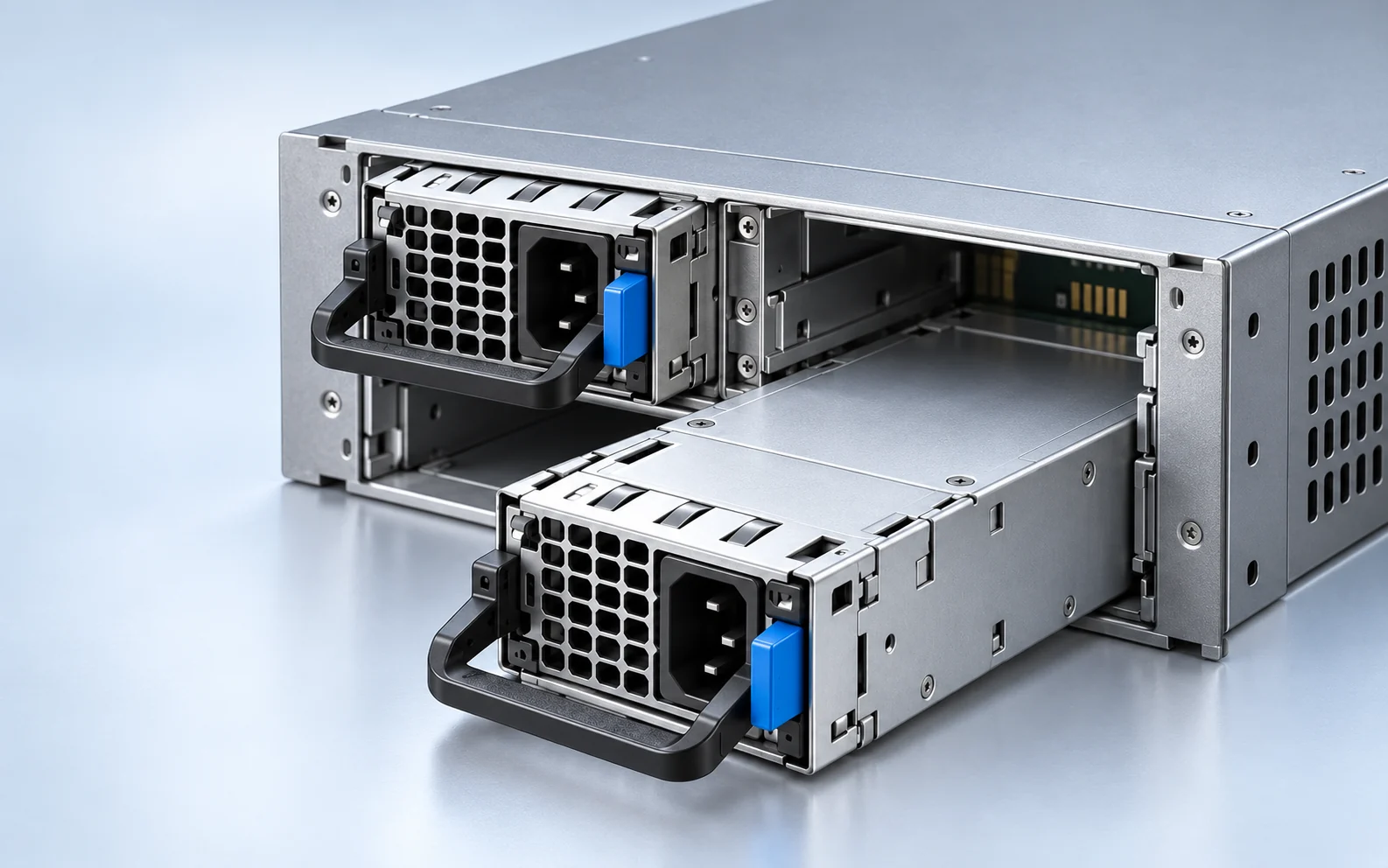
Illustrative CRPS power bay with one installed module and a matching complete module withdrawn for service.
Installed moduleReplaceable module

Make the power system visible to the host.

Supported management interfaces let the host observe load, temperature and operating status. That information can help operators understand capacity use and identify faults requiring attention.

PMBus is one interface used for power-system communication. Available readings, controls and alerts depend on the supply and host implementation. Monitoring complements the supply’s protection functions; it does not replace correct sizing, cooling or maintenance.

Power telemetry · Temperature and fan status · Fault reporting

CRPS backplane cage installed in a server host, with a management lead connected beside the power connector bank.

Power-monitoring concept.

Load reporting
Reported where supported
Temperature
Reported where supported
Fan status
Reported where supported
Fault status
Reported where supported

Supported management interface

Monitoring features depend on the selected power supply and host platform.

Specify power around the complete configuration.

Explore ATX power supplies for cable-connected system builds, or CRPS modules for compatible modular power platforms. Cloud 9’s component supply supports both complete configurations and independent commercial hardware requirements.