Entry Level
Focused local AI tasks and initial development.
Local assistants, model evaluation, coding support and initial computer-vision experiments.
Configuration focus
Application support and sufficient working capacity.
Cloud 9 sources and supplies dedicated systems for AI development, inference and applied computing, from compact local platforms to high-capacity multi-GPU workstations.
AI development moves across data preparation, model evaluation, inference, application testing and iteration. A workstation needs to support that process as a complete environment, with compute, memory, storage and software selected for the specialist or team using it.
Cloud 9 sources and supplies AI platforms across compact, pedestal and rack-based formats. Configurations are considered around application demands, the operating environment, working capacity and the scope for future expansion.
The aim is a coherent system that supports development, experimentation and practical use, with the hardware and software requirements considered together.
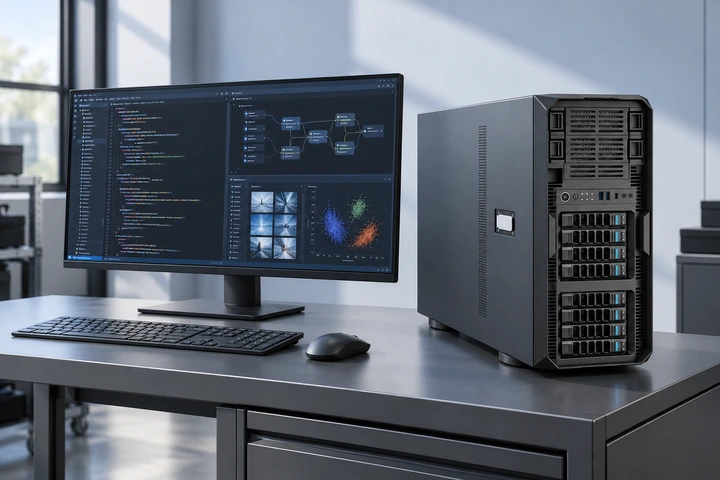
AI workloads place different demands on a system. A local assistant, a creative production workflow and a research pipeline require different balances of compute, memory and data access. Cloud 9 sources and supplies workstation configurations around the application, the software environment and the intended scale of use.
Hardware is one part of the platform. Compatible frameworks, model tools and application software turn available compute into a useful working environment for development, creation and local AI.
| Workstation Class | Typical TOPS Range | Ideal Workflows |
|---|---|---|
| Entry Level | 50–500 TOPS | Everyday AI productivity, local AI agents, lightweight local language models and content creation. |
| Mid Range | 500–1,000 TOPS | Advanced data analysis, coding assistants, multitasking creative workflows, professional content creation, medium-sized local language models and agentic AI tasks. |
| High End | 1,000–3,000 TOPS | Demanding data-science pipelines, complex data modelling, engineering simulations, local use and adaptation of open-weight models, and team-scale agentic AI workflows. |
| Enterprise | 3,000–6,000+ TOPS | Advanced scientific and quantitative workloads, selected genomics analysis, multi-GPU model development and fine-tuning, and dedicated local inference services. |
Workload growth changes the balance of compute, memory, storage and expansion required. Choose the physical format around that configuration and where it will run.
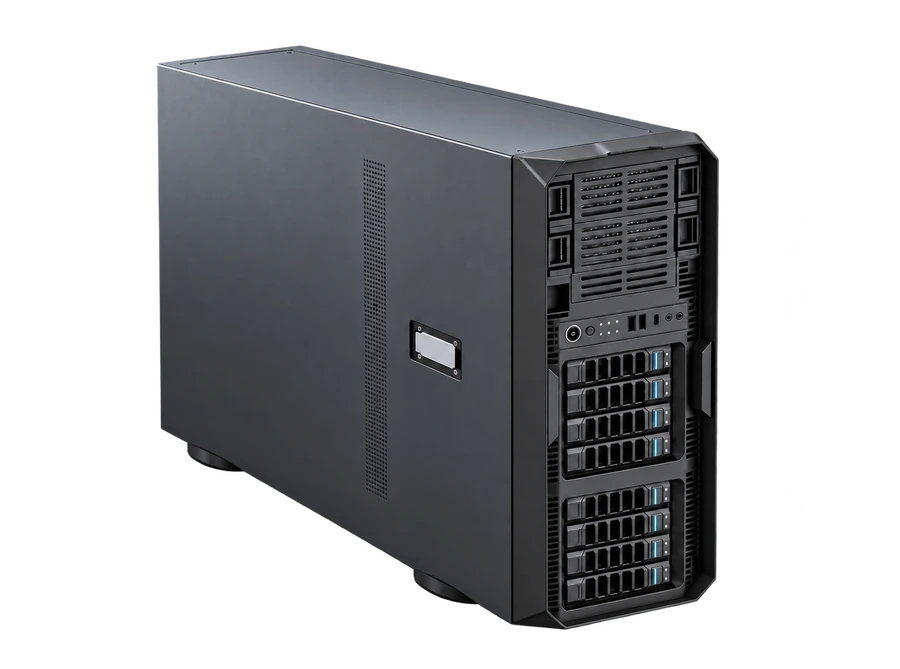
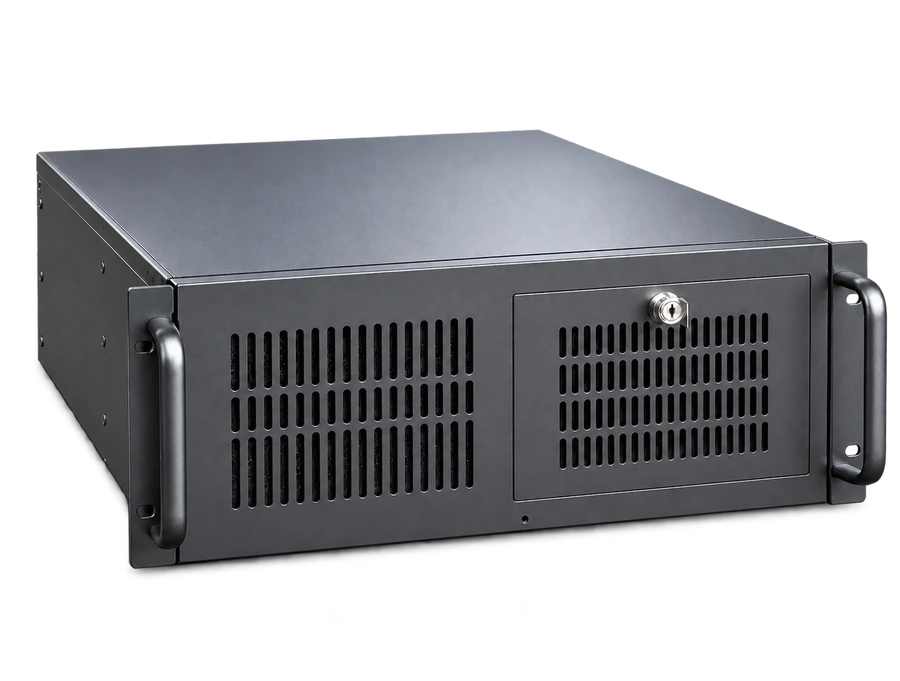
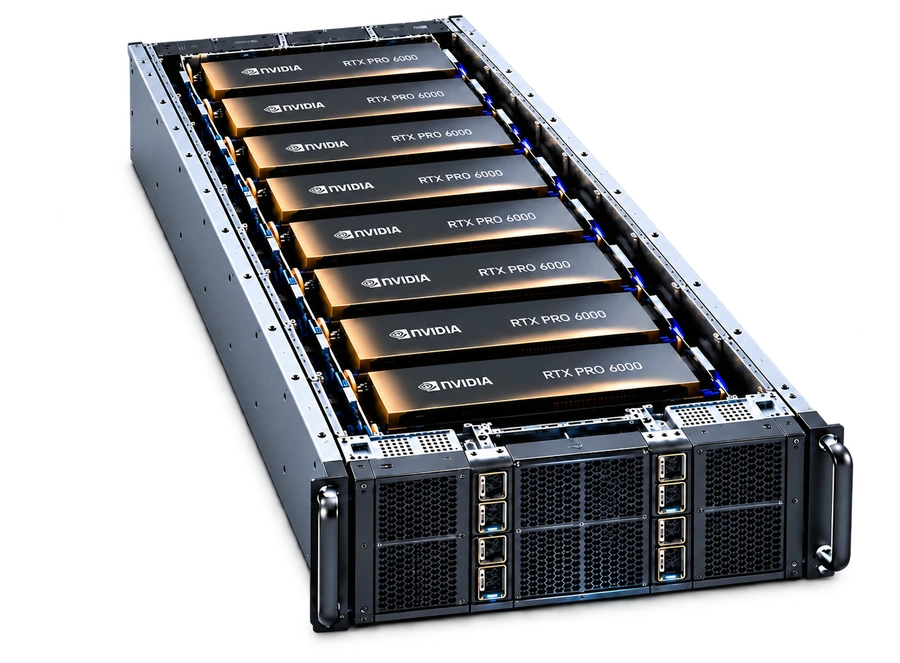
Increasing workload scale and configuration requirements
Focused local AI tasks and initial development.
Local assistants, model evaluation, coding support and initial computer-vision experiments.
Application support and sufficient working capacity.
Repeated development and several active tools or tasks.
Local inference beside development tools, generative content, data preparation and repeated experiments.
Memory headroom, GPU capability, host resources and storage access.
Capacity-intensive or parallel work in a dedicated system.
Larger memory-resident workloads, parallel experiments, supported fine-tuning and demanding compute.
Per-device or unified memory, GPU arrangement, host memory, I/O, power and cooling.
A capable workstation brings processing, acceleration, working memory and storage into a coherent platform. Each resource has a different role, and each should be selected around the intended applications.
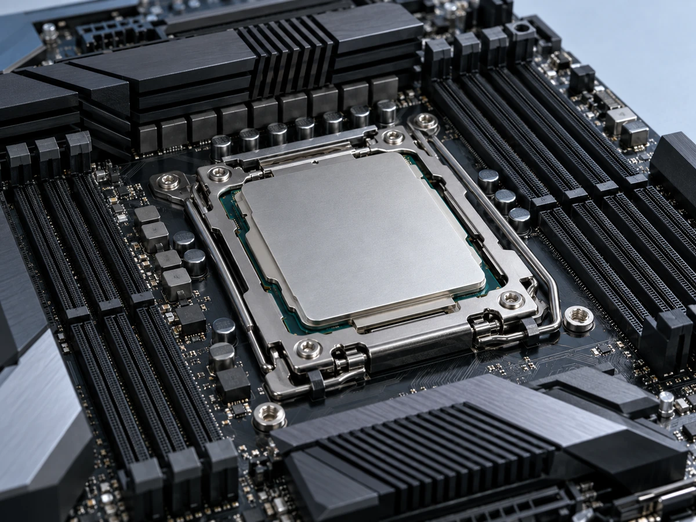
The processor supports data preparation, application logic and host-side computation. Platform choice determines memory architecture, expansion and the resources available to keep the wider workflow moving.
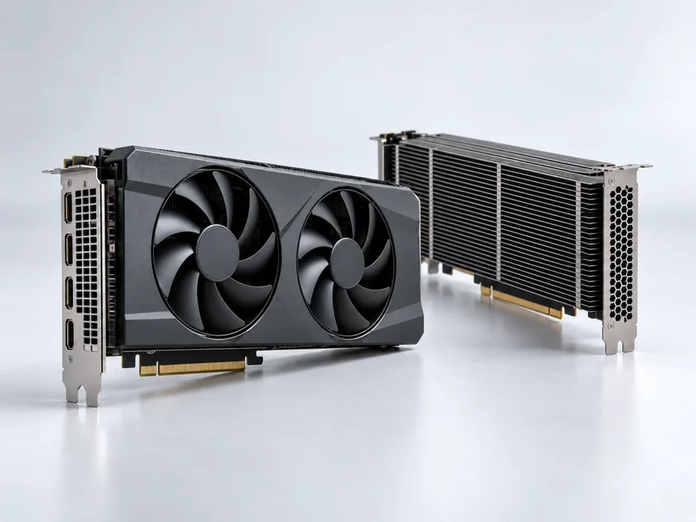
Graphics acceleration supports inference, model development and demanding visual applications. GPU selection needs to account for the software, available memory and how the workload uses one or more devices.
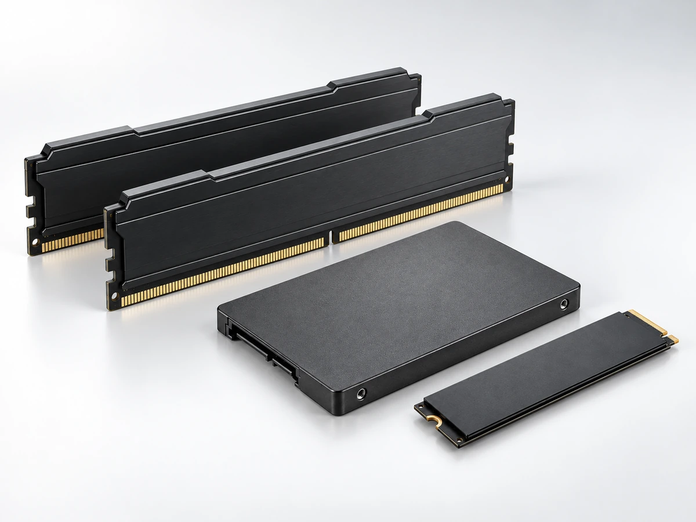
GPU memory holds model and compute data; host memory supports applications and preparation; storage holds datasets, checkpoints and results. Capacity and data access must be considered together, without treating these resources as one pool.
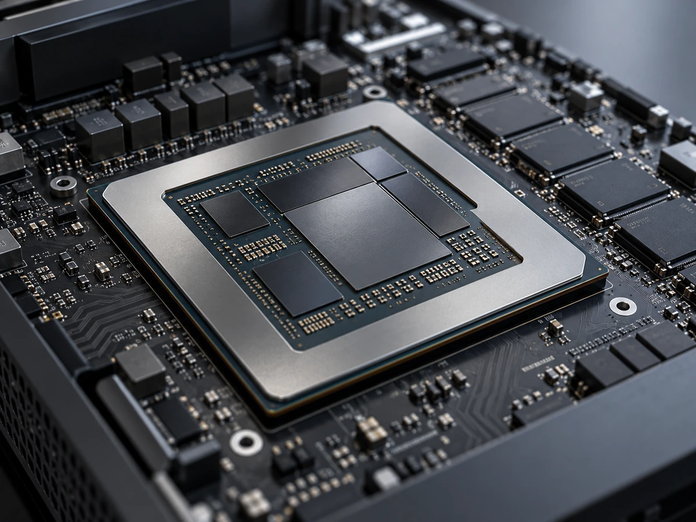
On selected platforms, an integrated NPU accelerates compatible local AI tasks. Its role depends on the application and software support; it complements CPU and GPU resources rather than replacing them.
A complete system must support how the work is carried out today and how its requirements may change. These considerations connect the hardware specification to practical use.
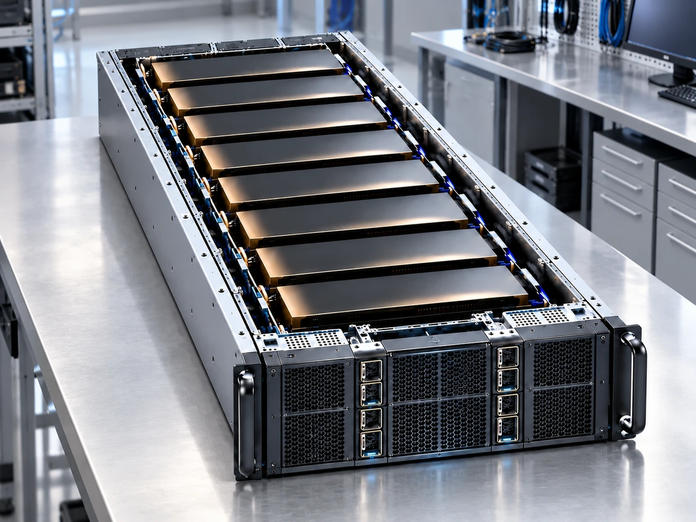
Match processing and memory resources to the model, data and applications. GPU arrangement, power provision and cooling belong in the same configuration decision.
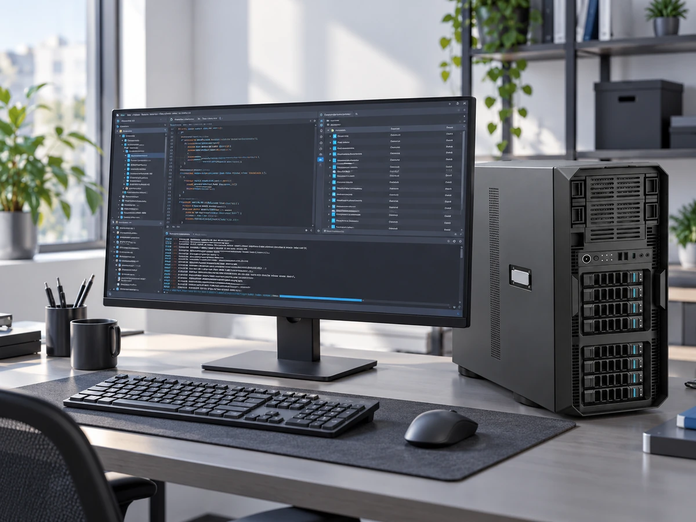
Consider processor architecture, operating system, GPU support and runtime requirements together. Hardware capability is useful when the intended software can make effective use of it.
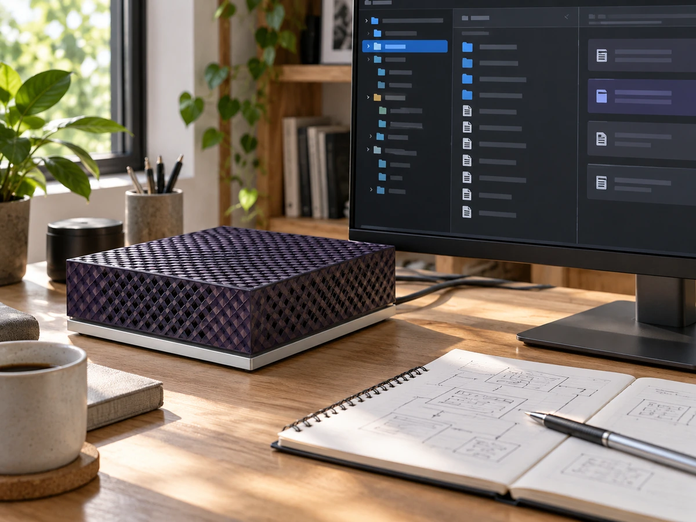
Organise the working environment around the team’s applications, model versions and access requirements. A dedicated platform provides a place to develop and evaluate that workflow.
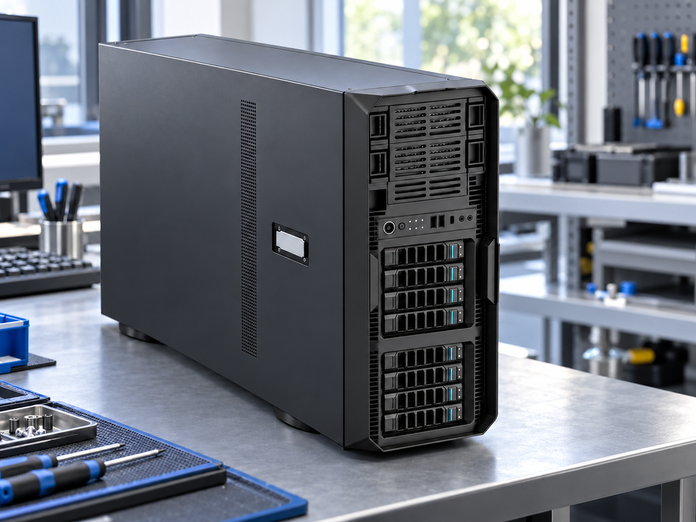
Plan supported memory, storage and device expansion alongside physical access and maintenance. Upgrade options depend on the selected platform and enclosure.
Choose the platform around the work, the available space and the resources required. Cloud 9’s four classes cover local AI development through to demanding multi-GPU workstation configurations.
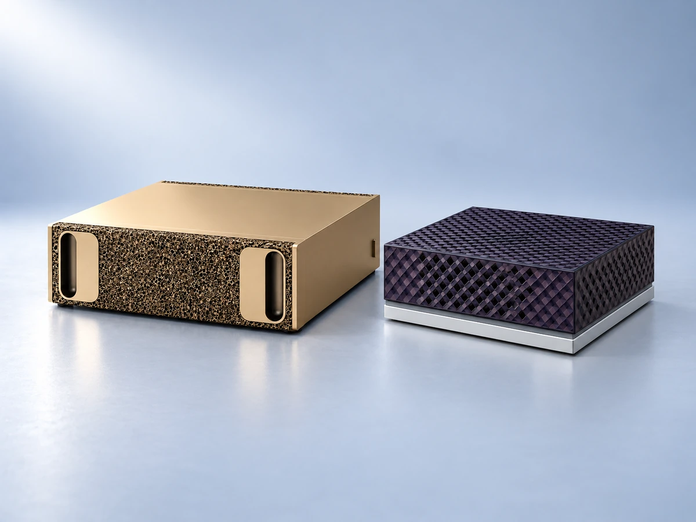
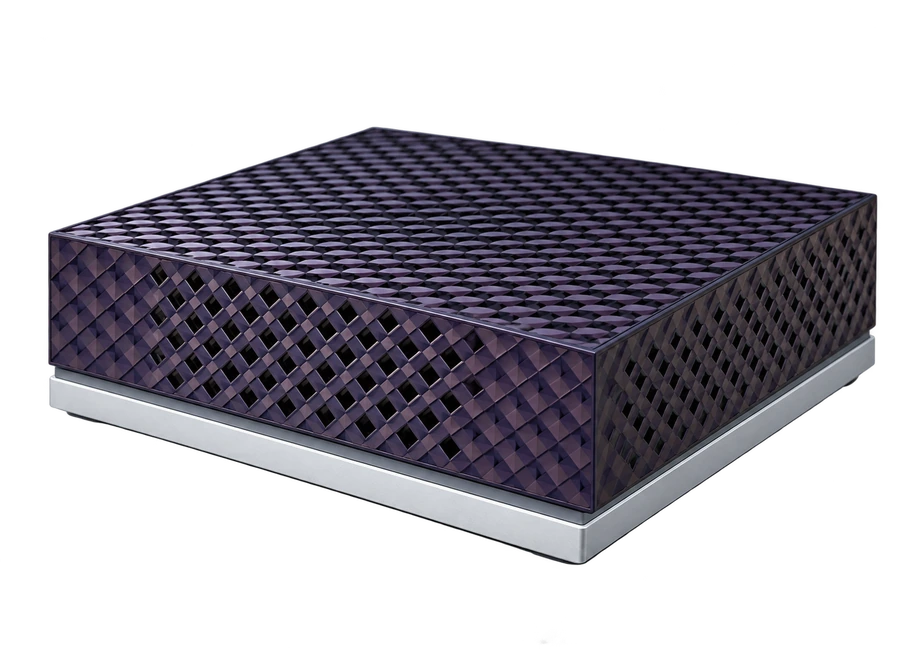
Purpose-built local AI platforms with integrated computing and a small desktop footprint. This class covers NVIDIA DGX Spark/GB10 and AMD Ryzen AI Max-based systems, including suitable supplier-built implementations.
Local model evaluation, agent development, coding workflows and computer-vision prototyping.
NVIDIA and AMD platforms have distinct memory and software architectures.
Explore AI Edge Workstations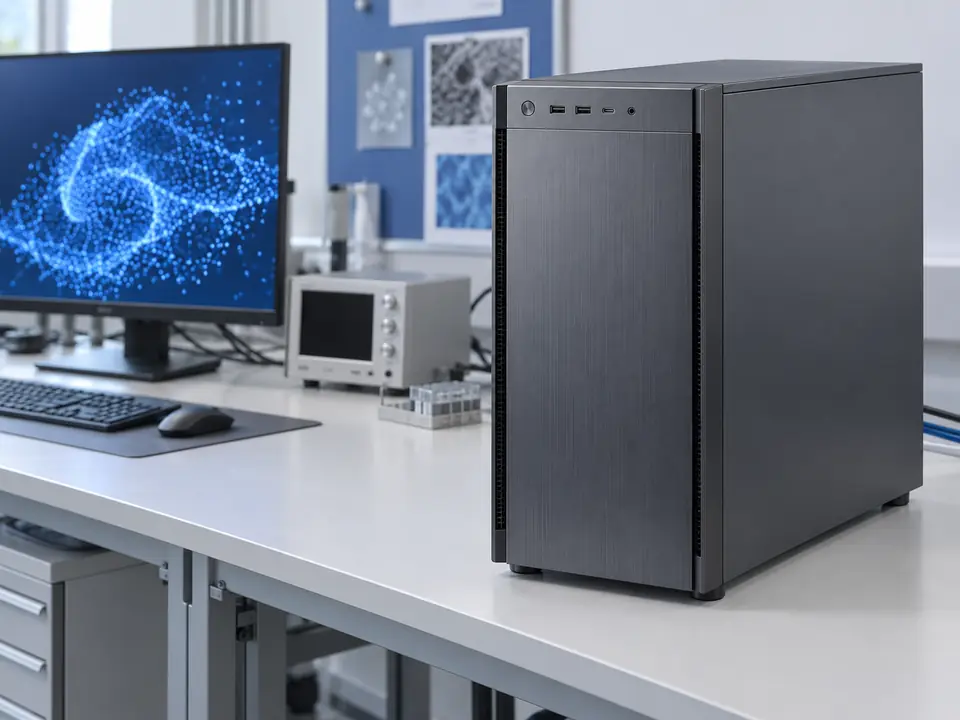
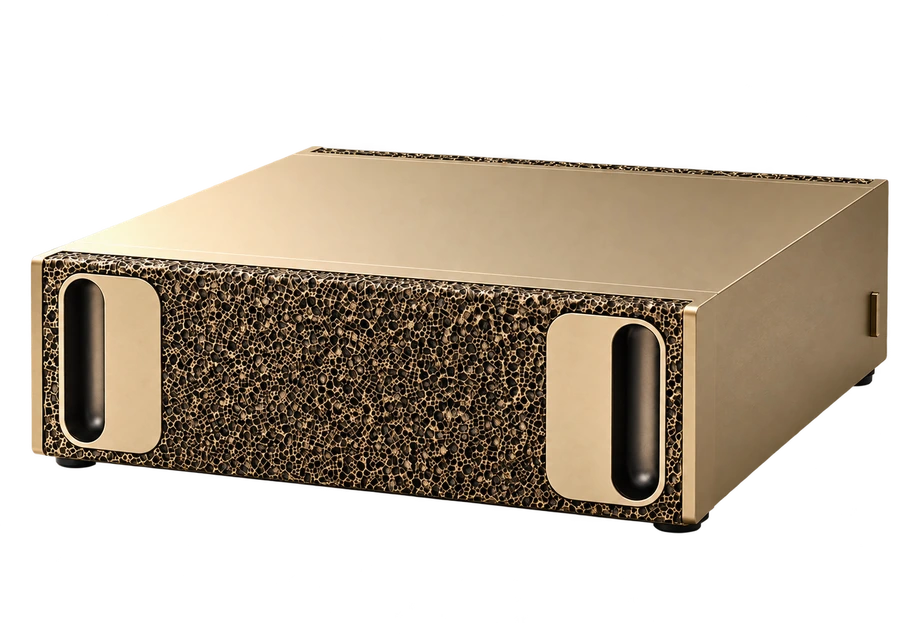
Expandable pedestal systems for AI development alongside creative, engineering and analytical applications. Select the processor platform, GPU resources, memory and storage around the software and working data.
AI-assisted creation, local inference, model development and specialist professional applications.
High-performance desktop through AMD Threadripper-class and Intel workstation platforms.
Explore AI Desktops/Workstations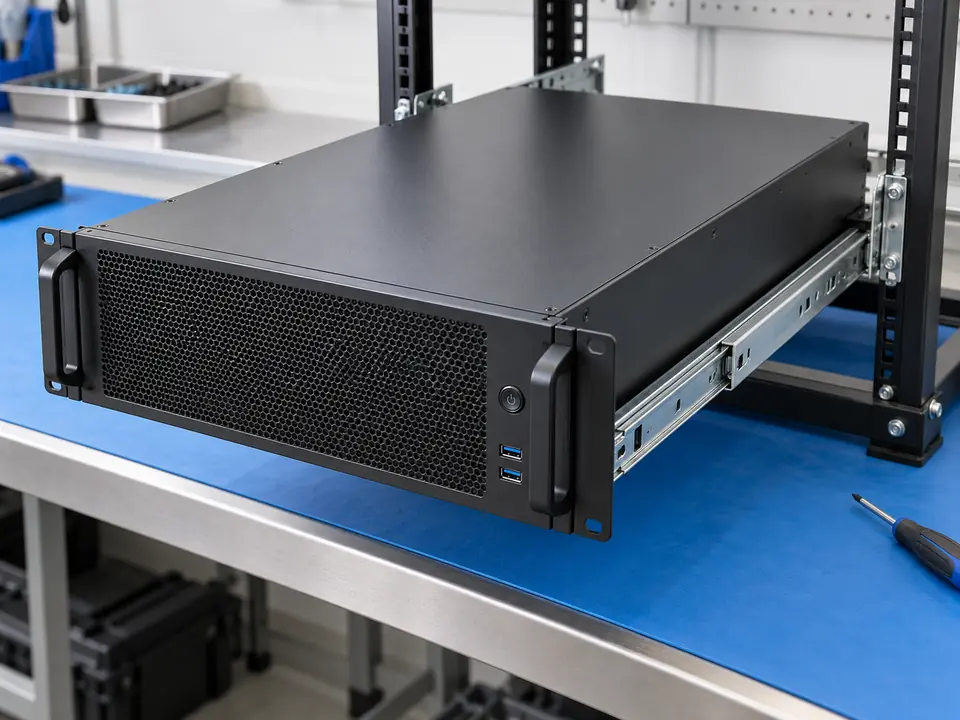
Dedicated workstation computing in a rackmount format. Use workstation-class configurations where equipment-room installation, physical access and the intended operating environment favour a rack-based system.
Dedicated model work, development and creative applications housed away from the desk.
Desktop/workstation processor families with appropriate rack chassis, power, cooling and access.
Explore AI Rack Workstations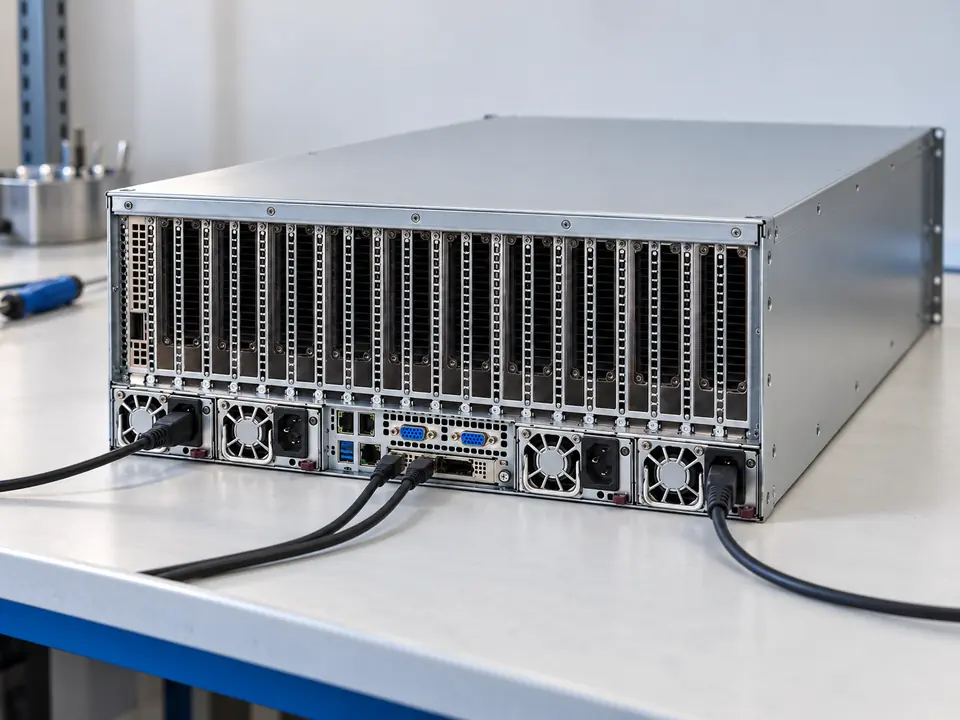
High-capacity standalone systems combining multi-GPU capability with greater processor, memory and expansion resources. Designed as one dedicated machine for a specialist or small team, rather than a multi-node cluster.
Parallel experiments, supported fine-tuning, memory-intensive analysis and demanding simulation.
High-end workstation or suitable server-derived hardware where the configuration requires it.
Explore AI Superrack WorkstationsThe appropriate configuration depends on what the system needs to run, how much working capacity it requires and where it will operate. Cloud 9 sources and supplies the platform around those requirements, with processor, graphics, memory, storage and physical format considered together.