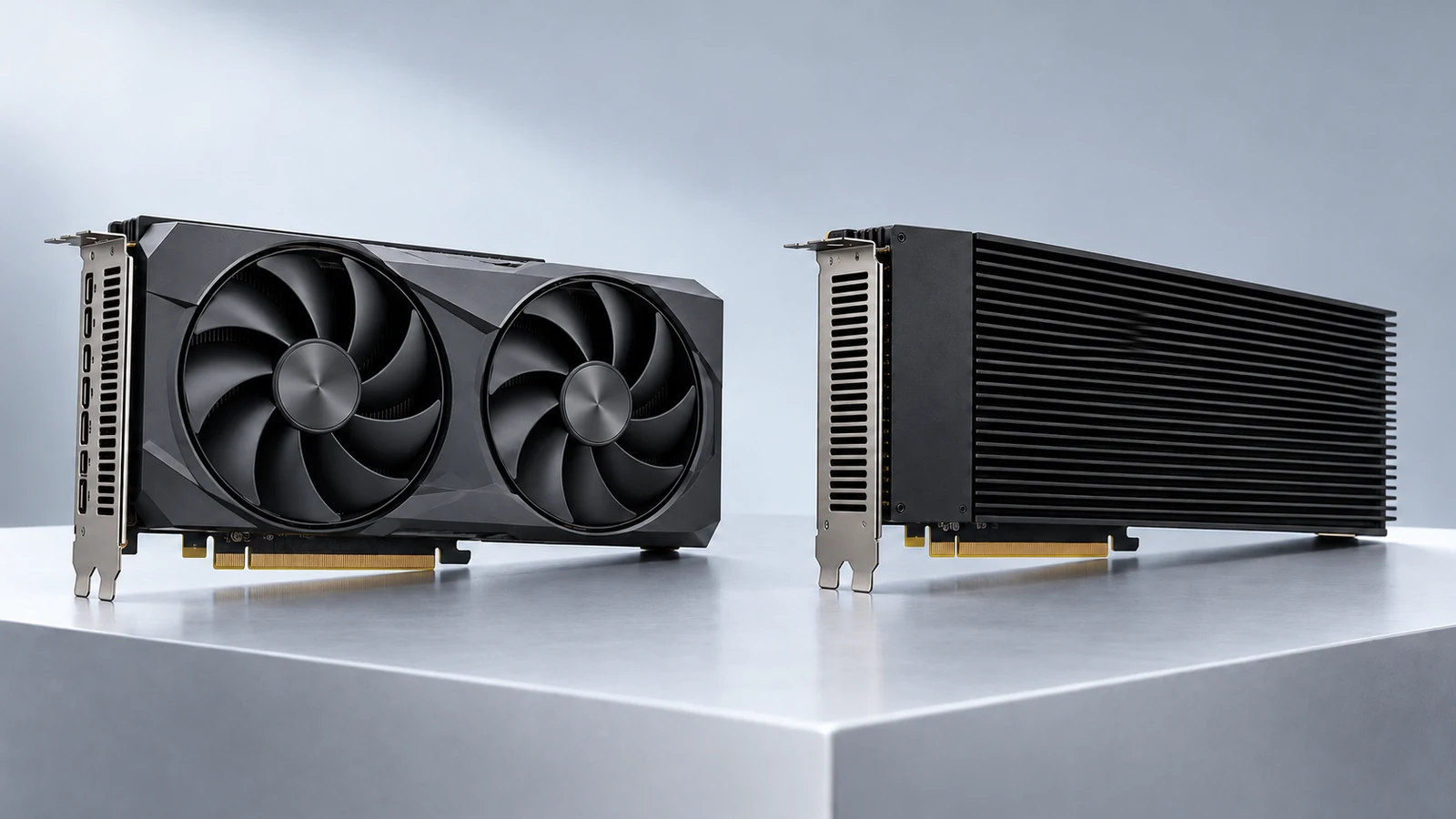
Radeon workstation GPU and passive server accelerator in a light studio.

AMD GPUs for AI Workstations and Servers.

Explore AMD Radeon AI PRO graphics and Instinct MI350P PCIe acceleration for local AI, development, visual computing and selected server workloads. Cloud 9 sources AMD add-in graphics and accelerators for individual hardware requirements and complete computing configurations.

Different compute needs. Purpose-built GPU architectures.

GPU selection begins with the work itself. Radeon AI PRO supports local model development, graphics, rendering and GPU computing in compatible workstation environments. Instinct MI350P addresses a different requirement: high-memory, high-bandwidth AI and computational workloads within a qualified server.

Both families use PCI Express add-in-card formats, but their memory architectures, software support, power and cooling arrangements differ. Cloud 9 considers those distinctions in the context of the intended host system and deployment, rather than presenting all PCIe accelerators as interchangeable products.

Local AIGPU memoryProfessional graphicsServer accelerationROCm software

Find the AMD GPU configuration.

Choose a model to review its architecture, dedicated memory, bandwidth, compute resources, PCIe interface, power and cooling. Four Radeon AI PRO cards and the Instinct MI350P appear as separate technical specification records for workstation and server use.

Original conceptual presentation of a distinct active Radeon graphics card and passive PCIe server accelerator.

Published AMD specifications. Compute figures retain their stated numerical precision and density conditions.

R9600D and R9700S are passive; R9600 and R9700 are active. Passive boards require suitable chassis airflow. AMD lists Radeon ECC support on Linux only; physical display connectors depend on the partner board.

Instinct MI350P is a server accelerator. Select it only with a qualified host, chassis airflow, power and software configuration.

RDNA 4 and CDNA 4, with the software to match.

These two AMD architectures serve different roles. Hardware, drivers, operating system and application support must be checked for the selected GPU.

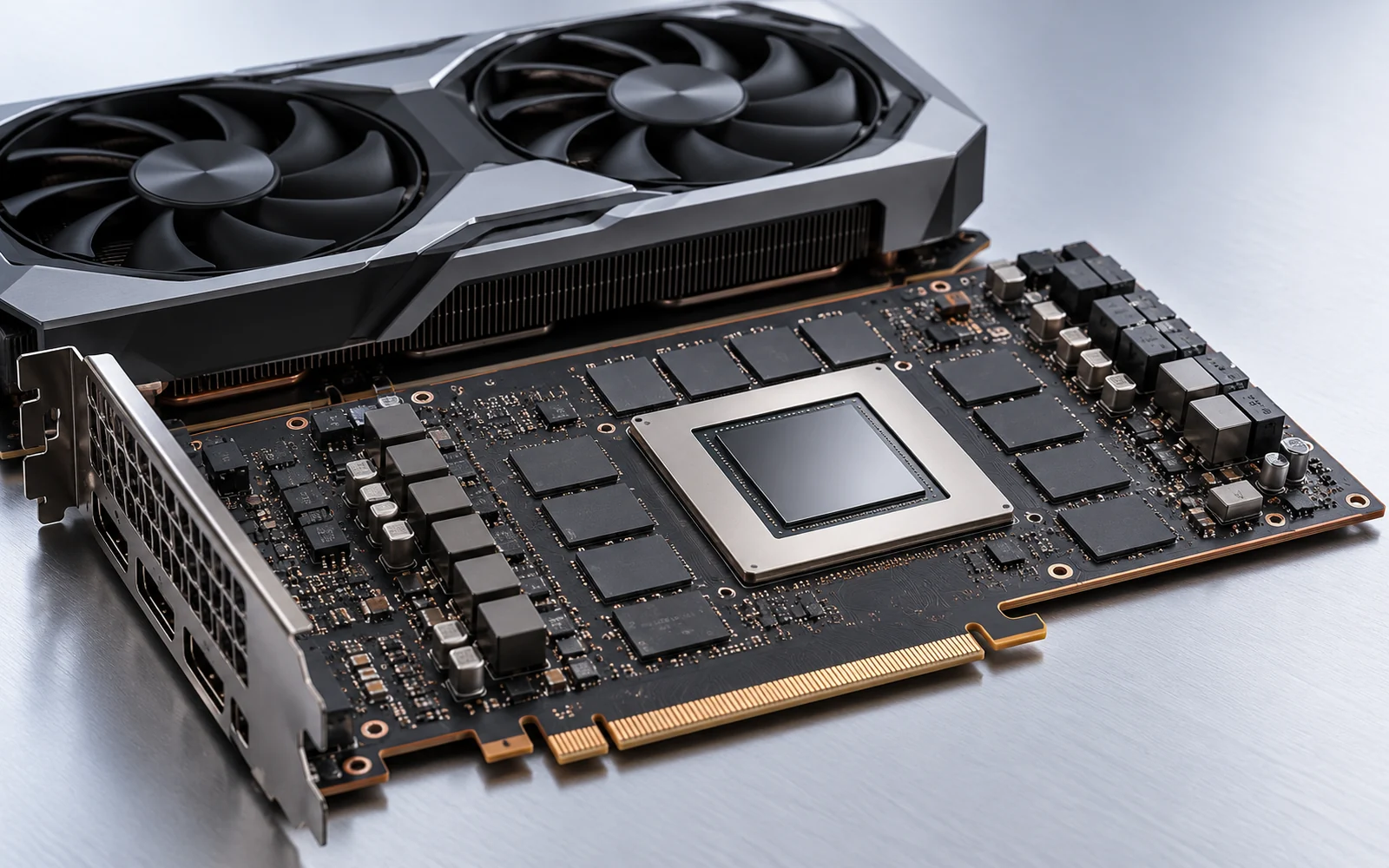
Conceptual Radeon RDNA 4 processor and memory function visualization; not an OEM teardown.
Radeon AI PRO · RDNA 4

Professional graphics and local AI.

Professional RDNA 4 graphics combine parallel compute, AI accelerators, ray tracing and media capabilities. These features support appropriate local AI workflows and professional visual applications, subject to the selected GPU, driver and software environment.

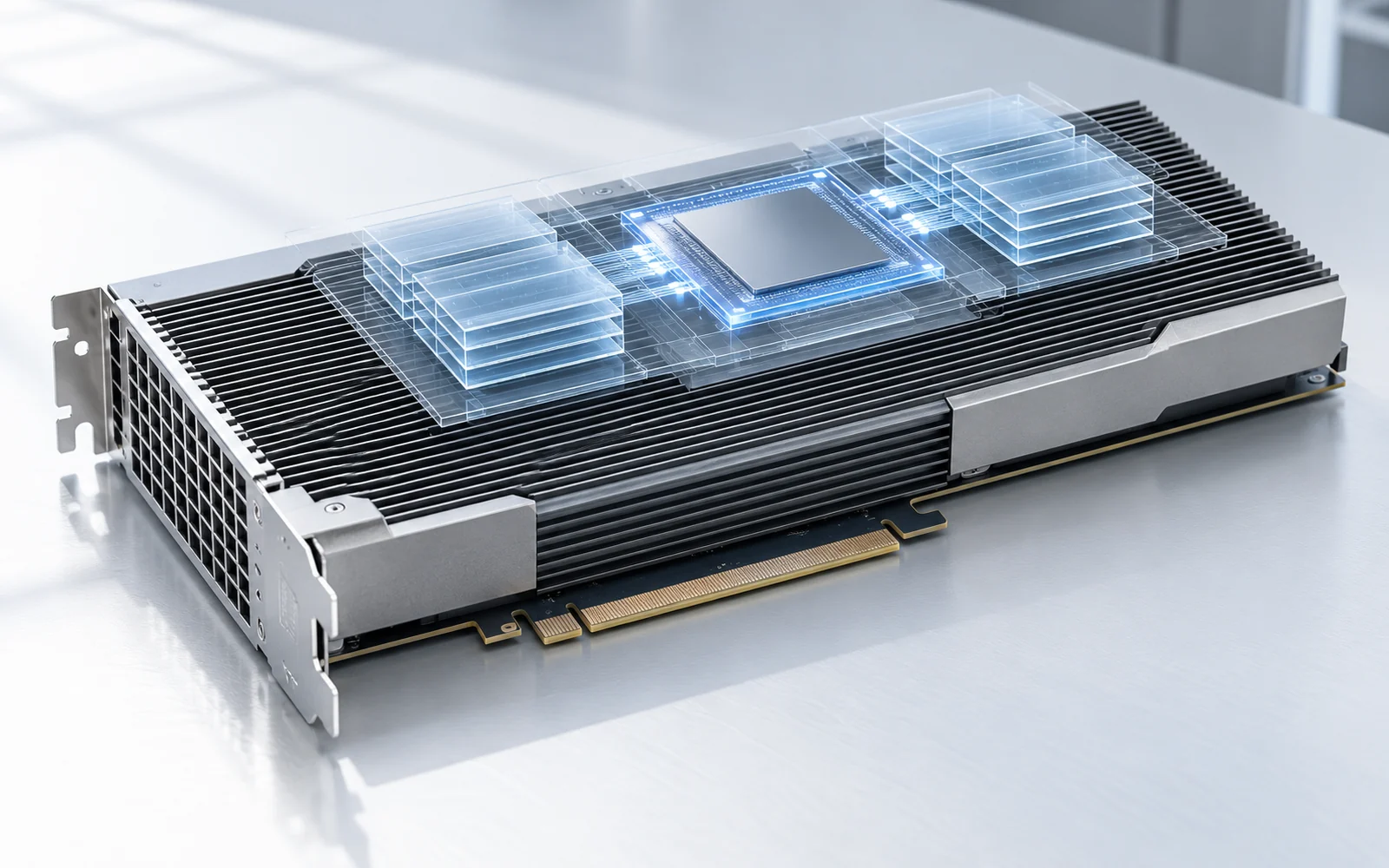
Conceptual Instinct MI350P CDNA 4 server accelerator and HBM function visualization; not an OEM teardown.
Instinct MI350P · CDNA 4

Server-class matrix processing.

Instinct MI350P takes a server-accelerator approach, using CDNA 4 matrix processing and 144 GB of HBM3E memory. Its AMD-published 4 TB/s peak memory bandwidth supports demanding data movement within qualified workloads. It does not have the same workstation-display role as Radeon.

ROCm and application compatibility. AMD ROCm, HIP and supported machine-learning frameworks connect the hardware to GPU-accelerated applications. Exact GPU, operating system, driver, firmware, ROCm version and framework determine the supported configuration. Compatibility shown for one Radeon card or an Instinct server does not automatically apply to another card.

GPU acceleration across professional work.

Four representative workload outputs show where these cards can contribute. The exact GPU, software and complete host configuration determine what each task can achieve.

Conceptual local model workflow connecting source material and tools to a structured application result.

Local inference and application development

Develop and evaluate compatible local models and AI applications. The practical working set depends on model size, precision, runtime, context length and available GPU memory.

Selection factor: Model, runtime and local GPU memory

Conceptual model evaluation and training stages with data and parameter layers.

Model adaptation, training and experimentation

Prepare datasets, evaluate model behaviour and run supported adaptation or training methods. The workload and numerical format must be matched to the available accelerator and software environment.

Selection factor: Precision, framework and memory

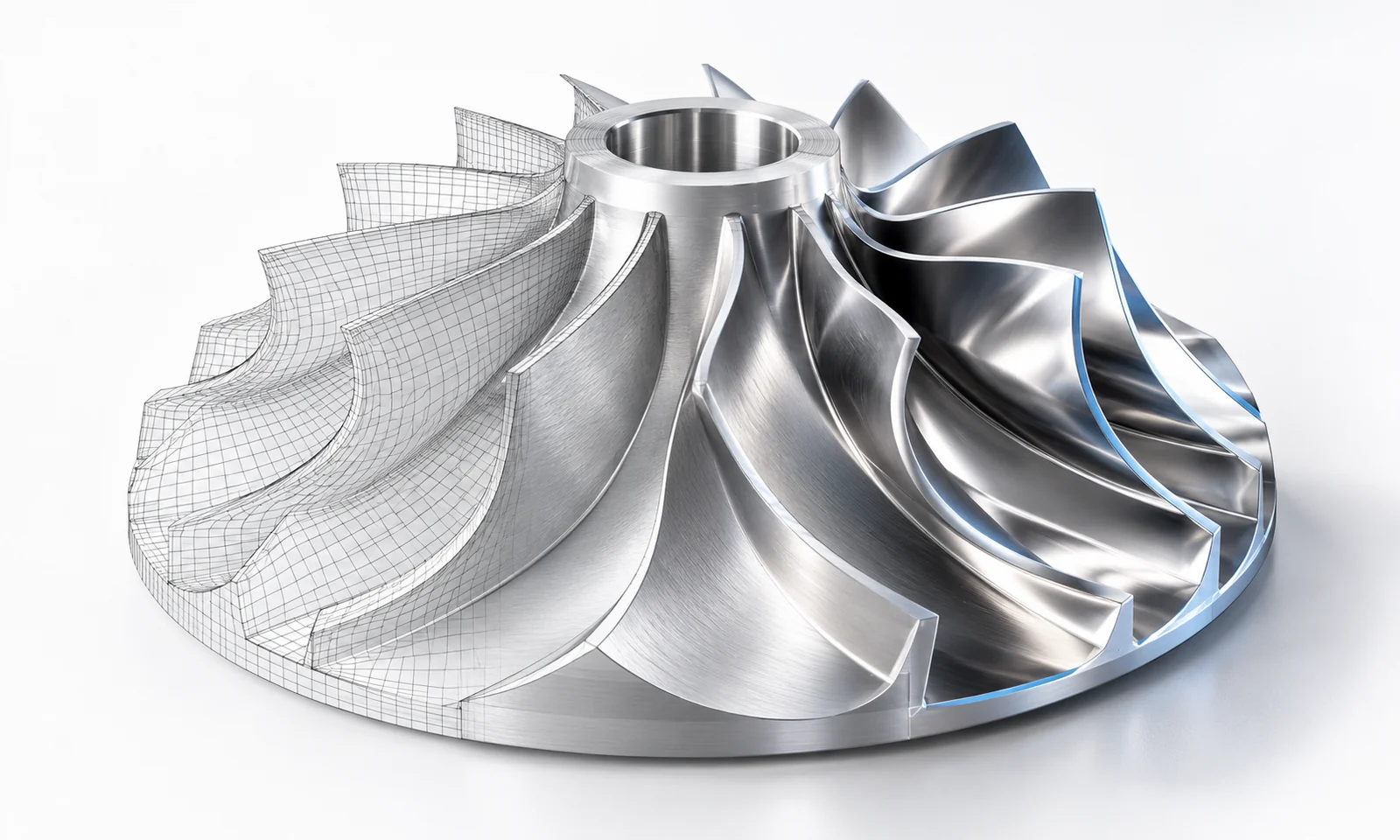
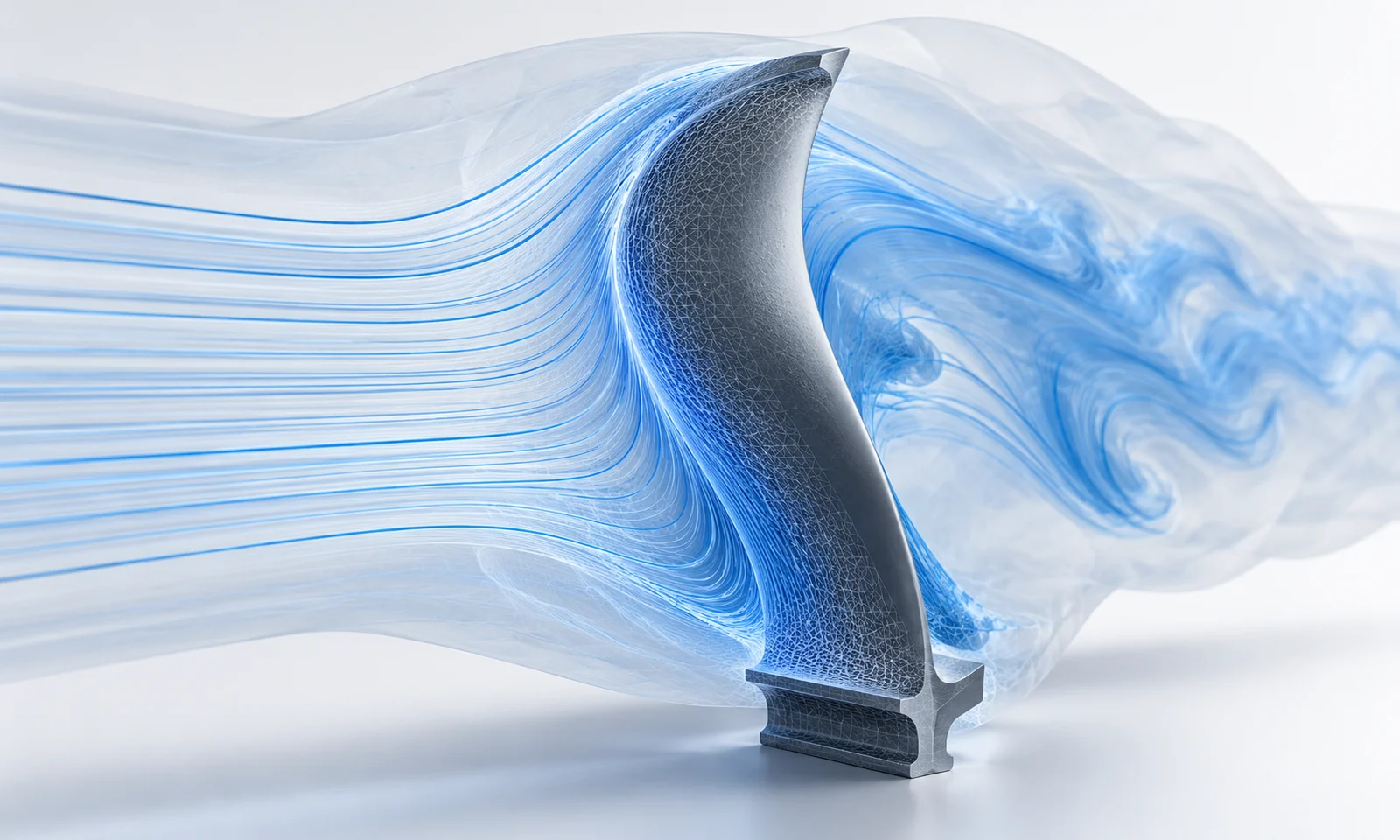
Rendered metallic impeller with wireframe geometry and material detail.

Rendering, visual computing and media

Use Radeon AI PRO in supported graphics, visualisation, rendering and video pipelines. Workstation applications and media features remain specific to the software and selected card.

Selection factor: Renderer and media pipeline

Scientific simulation output with a fluid or molecular mesh and data layers.

Scientific computing and large-scale inference

Use server-class accelerator architecture where workloads require HBM capacity, bandwidth and supported matrix processing. MI350P belongs in qualified server configurations rather than a general workstation graphics slot.

Selection factor: Qualified server and software

The GPU needs the system around it.

A GPU contributes dedicated acceleration and memory, but its ability to run the intended workload depends on the host CPU and system RAM, working storage, PCIe resources, operating system and supporting software. Power delivery, cooling and physical clearance complete the configuration.

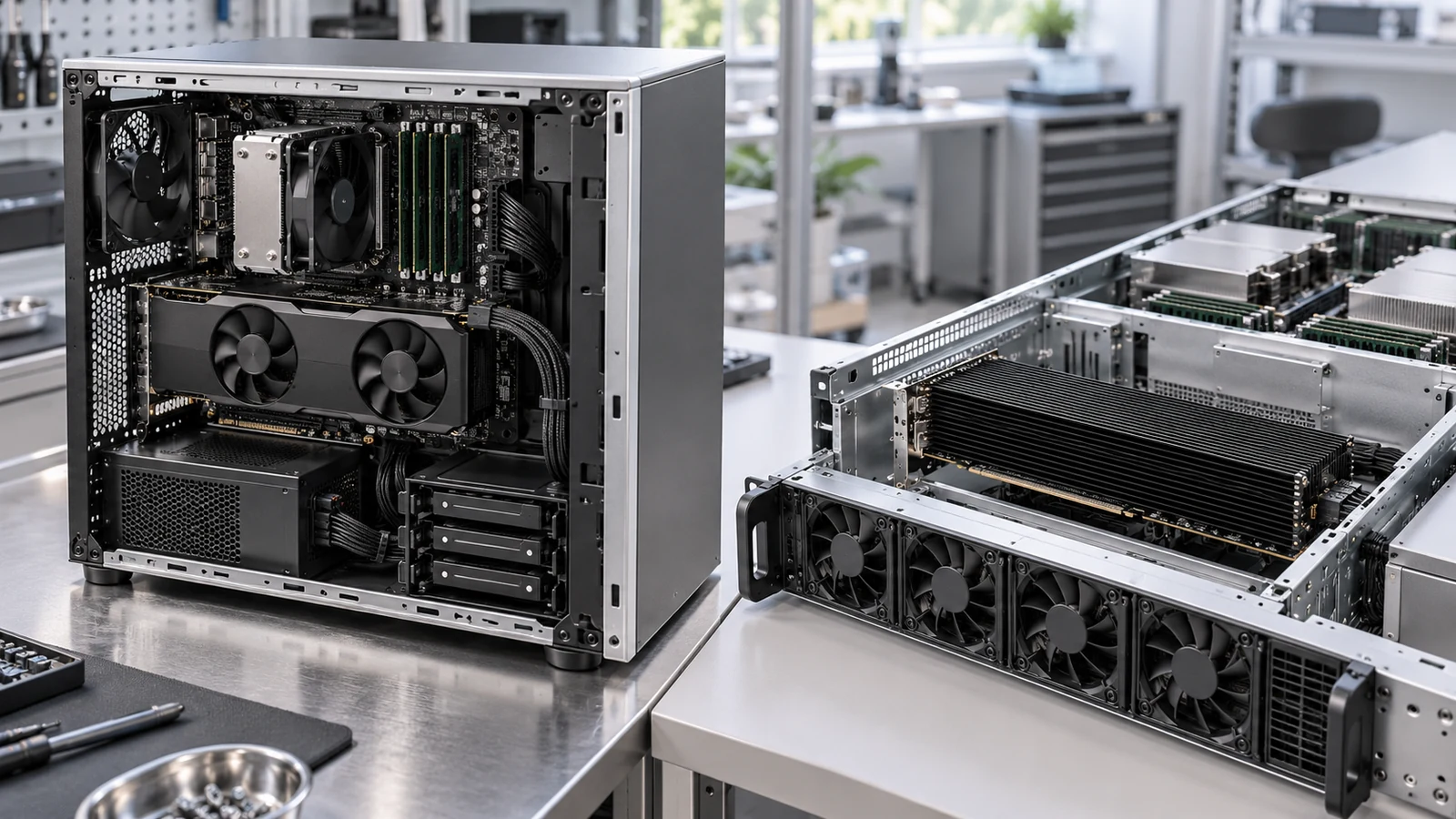
Two separate example contexts: active Radeon graphics in a workstation and passive Instinct PCIe accelerator in a server with forced airflow.
Workstation and server integrations use different host, power and cooling arrangements.

Active Radeon workstation

Match graphics-card clearance and power to the workstation, with the host CPU, RAM, SSD, PCIe slot and local cooling arranged around the application.

Passive Instinct server

MI350P requires a qualified server chassis with forced airflow, suitable power delivery, PCIe resources, firmware and a supported ROCm software stack.

GPU and dedicated memoryCPU and PCIeHost RAMWorking storagePower and coolingOperating system and software

The distinction between onboard cooling and passive acceleration matters to the enclosure design. Cloud 9 supplies the GPU within the broader context of a workstation, rack system or qualified server.

Installing multiple cards does not automatically form one unified GPU-memory pool. Workloads need software and system designs that explicitly support the intended arrangement.

AMD GPUs for the intended configuration.

Cloud 9 supplies AMD professional PCIe graphics and selected server accelerators for component requirements, upgrades and complete AI computing systems. The appropriate card follows the application, supporting platform, software environment and physical deployment.