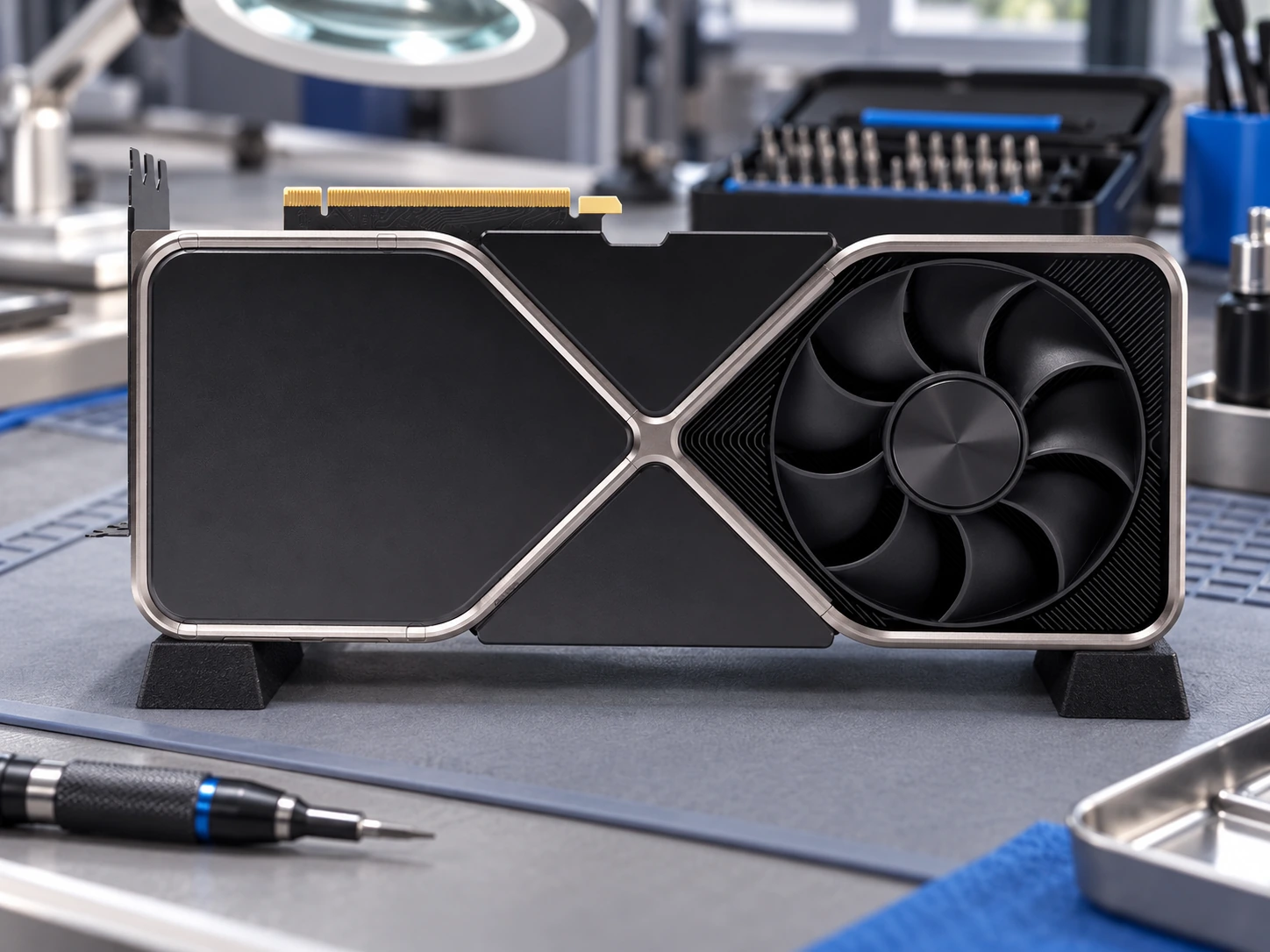
Aftermarket programme
GeForce RTX 3090
- Factory configuration
- Factory 24 GB GDDR6X
- Engineering direction
- 48 GB aftermarket programme
The 48 GB programme is assessed against the donor board revision and the proposed configuration.


Cloud 9 acquires selected NVIDIA GeForce RTX cards in commercial quantities, assesses their suitability for specialist memory engineering and prepares qualified configurations for local AI applications. The programme brings procurement, hardware assessment, aftermarket modification and post-rework testing together in a controlled commercial process.
Acquisition and assessment
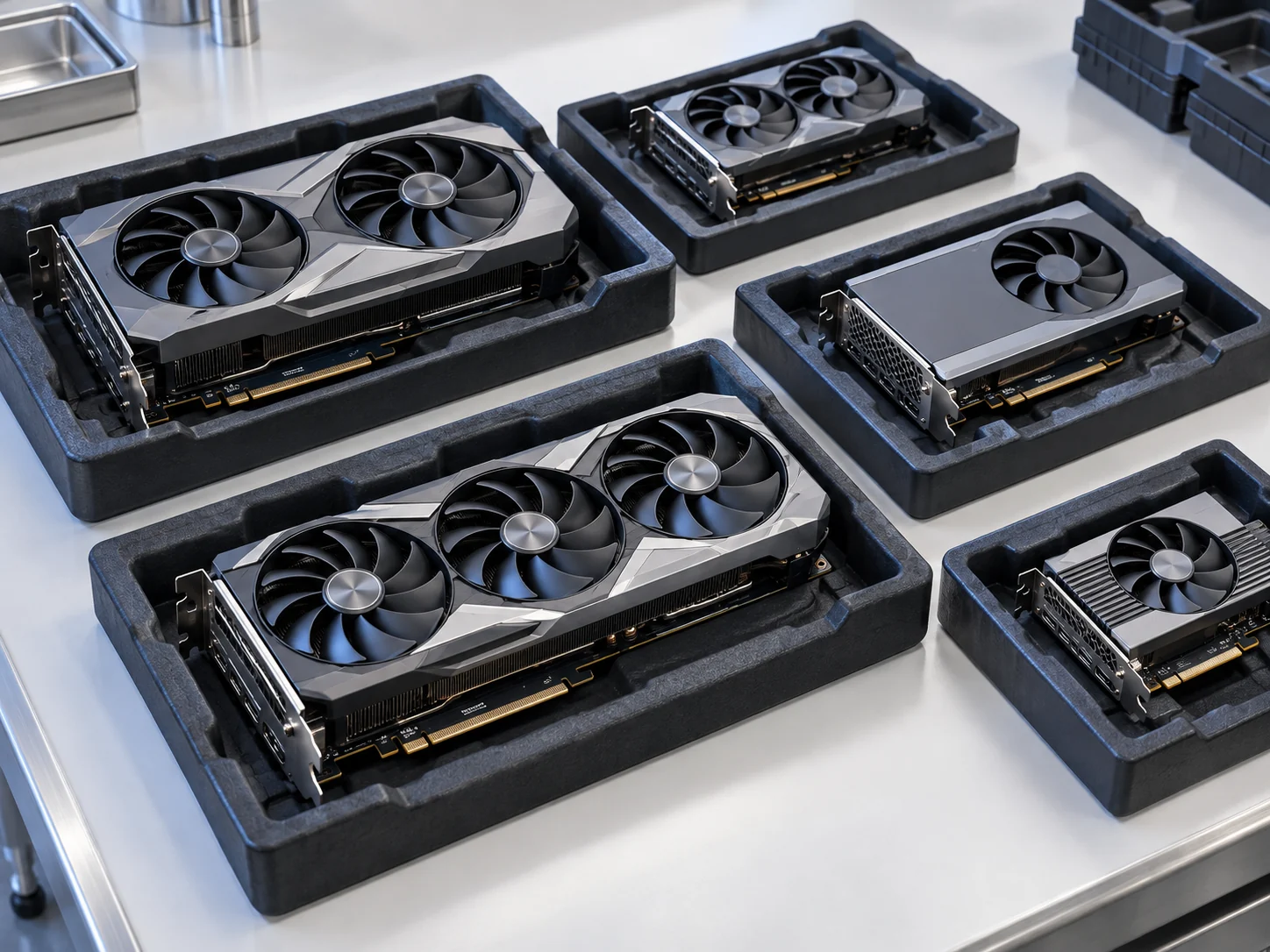
Cards entering the programme are identified, inspected and assessed for GPU function, board condition, memory integrity and suitability for further engineering. Units fit for conversion enter a specific modification path. Functional cards not selected for modification can be sold in original condition with their grade disclosed. Defective or unsafe cards are segregated and are not represented as functional products.
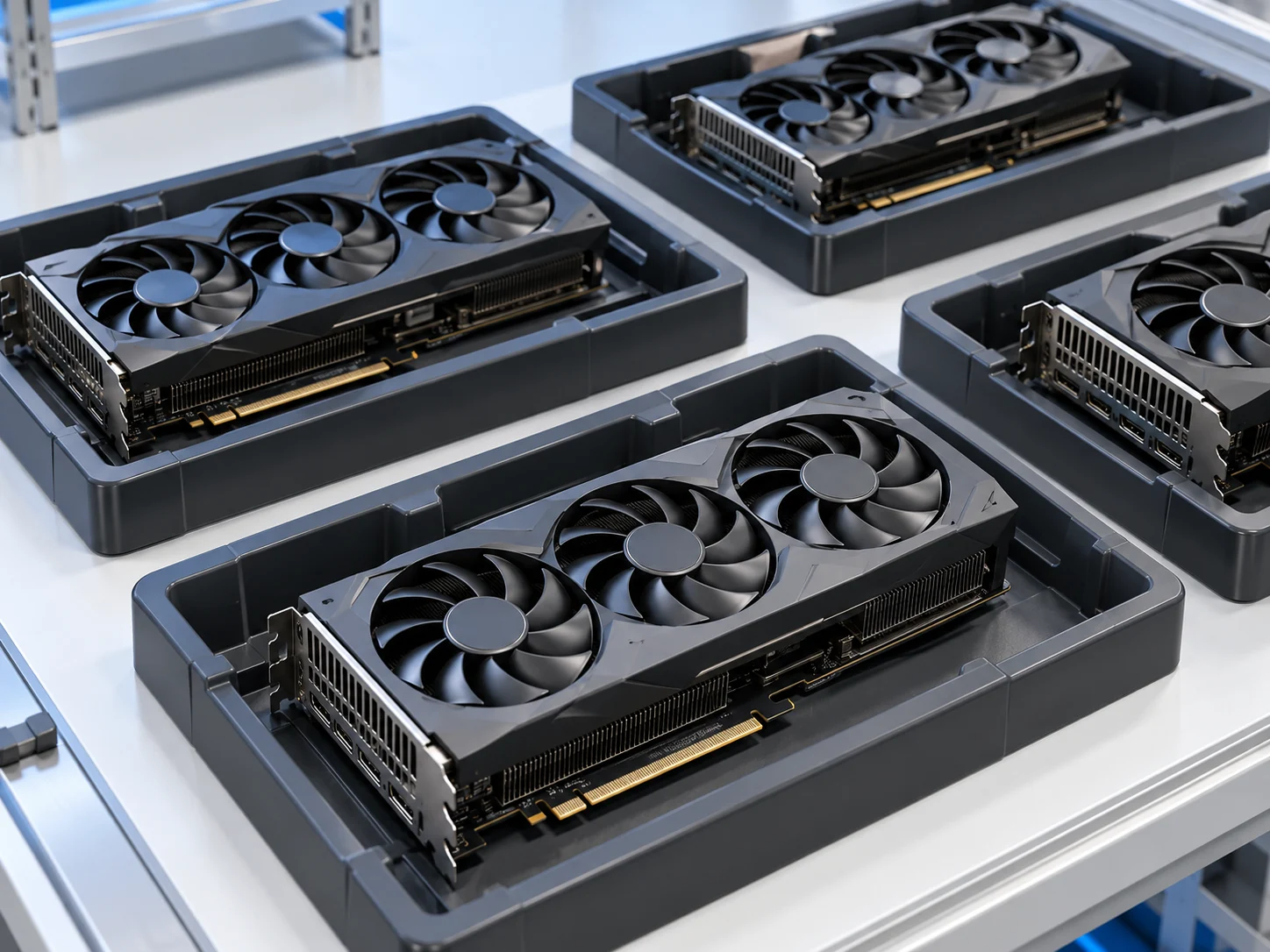
Record the exact card and examine GPU function, board condition and memory integrity.
Suitable units enter an engineering path. Functional non-selected units can be graded for unmodified resale.
Defective or unsafe hardware is kept separate and is never represented as functional stock.
Engineering paths
RTX 3090 and RTX 4090 24 GB to 48 GB aftermarket memory programmes draw on established public modification methods, with qualification performed for the actual hardware. The RTX 5090 programme is prototype research into increasing a 32 GB card to 64 GB and 128 GB configurations.
Aftermarket programme
The 48 GB programme is assessed against the donor board revision and the proposed configuration.
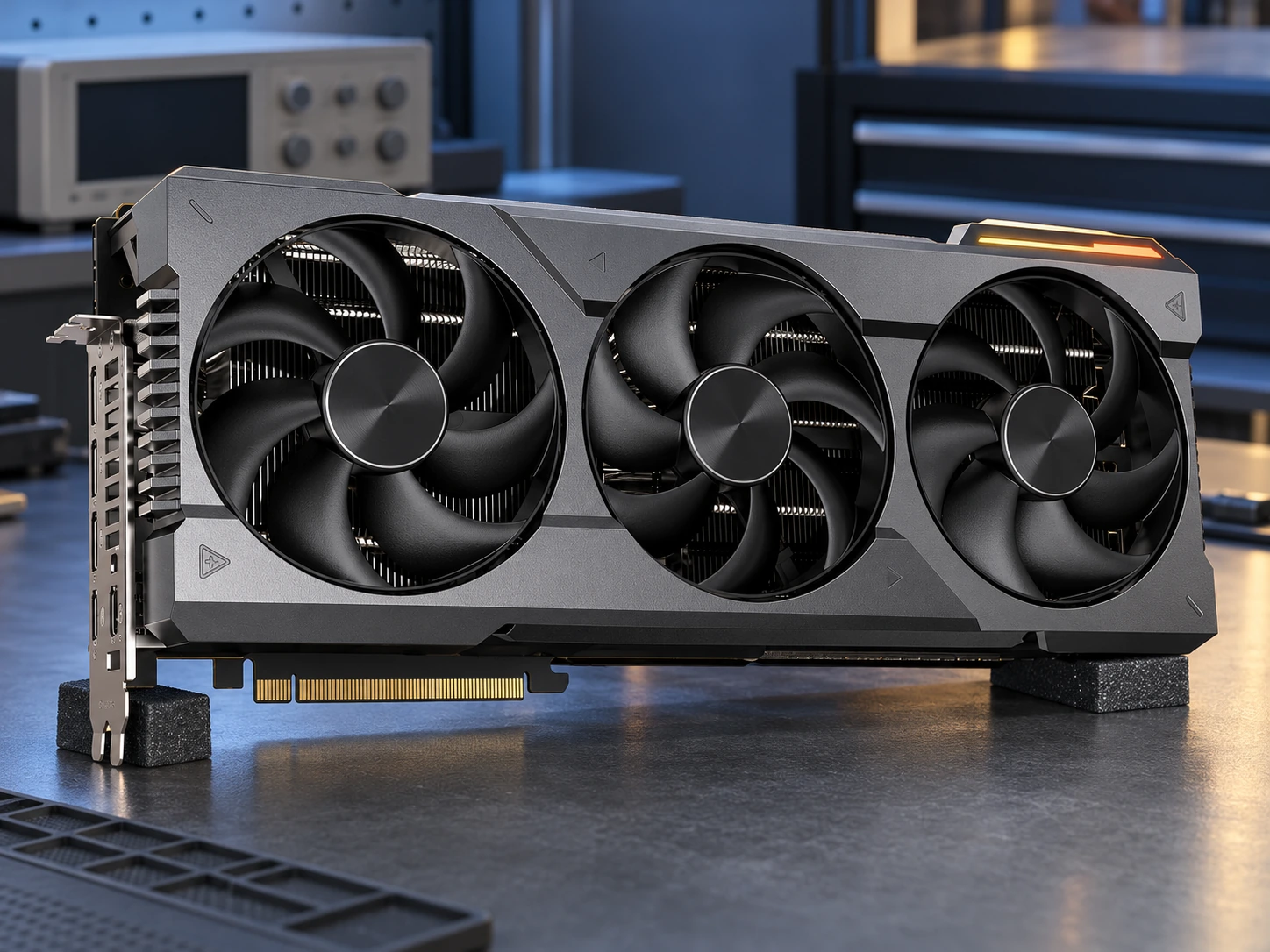
Aftermarket programme
Public engineering methods include custom PCB approaches. The actual card, assembly and test record determine any qualified offer.
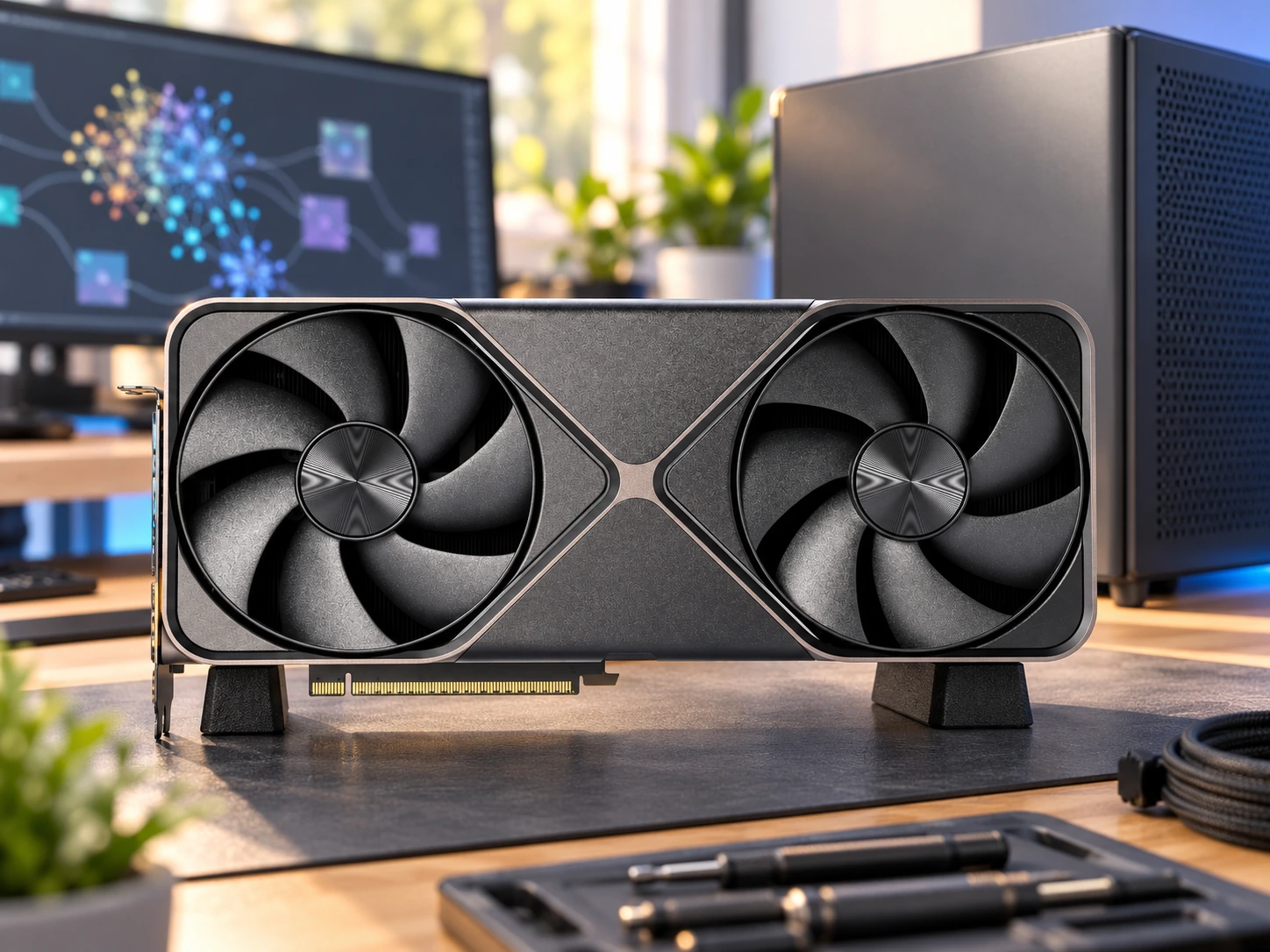
Prototype research
Prototype research. Cloud 9 does not offer an RTX 5090 system.
Memory engineering
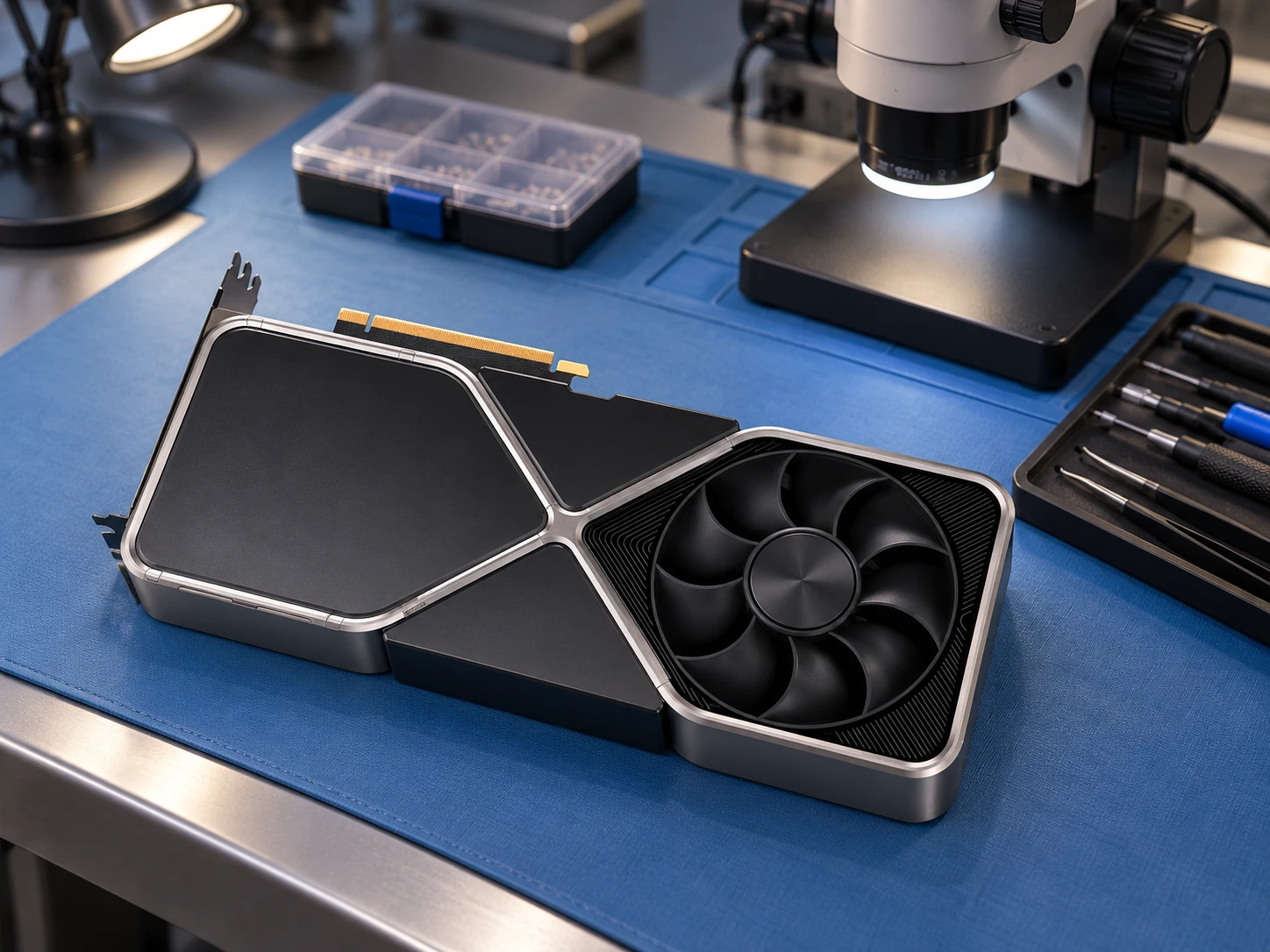
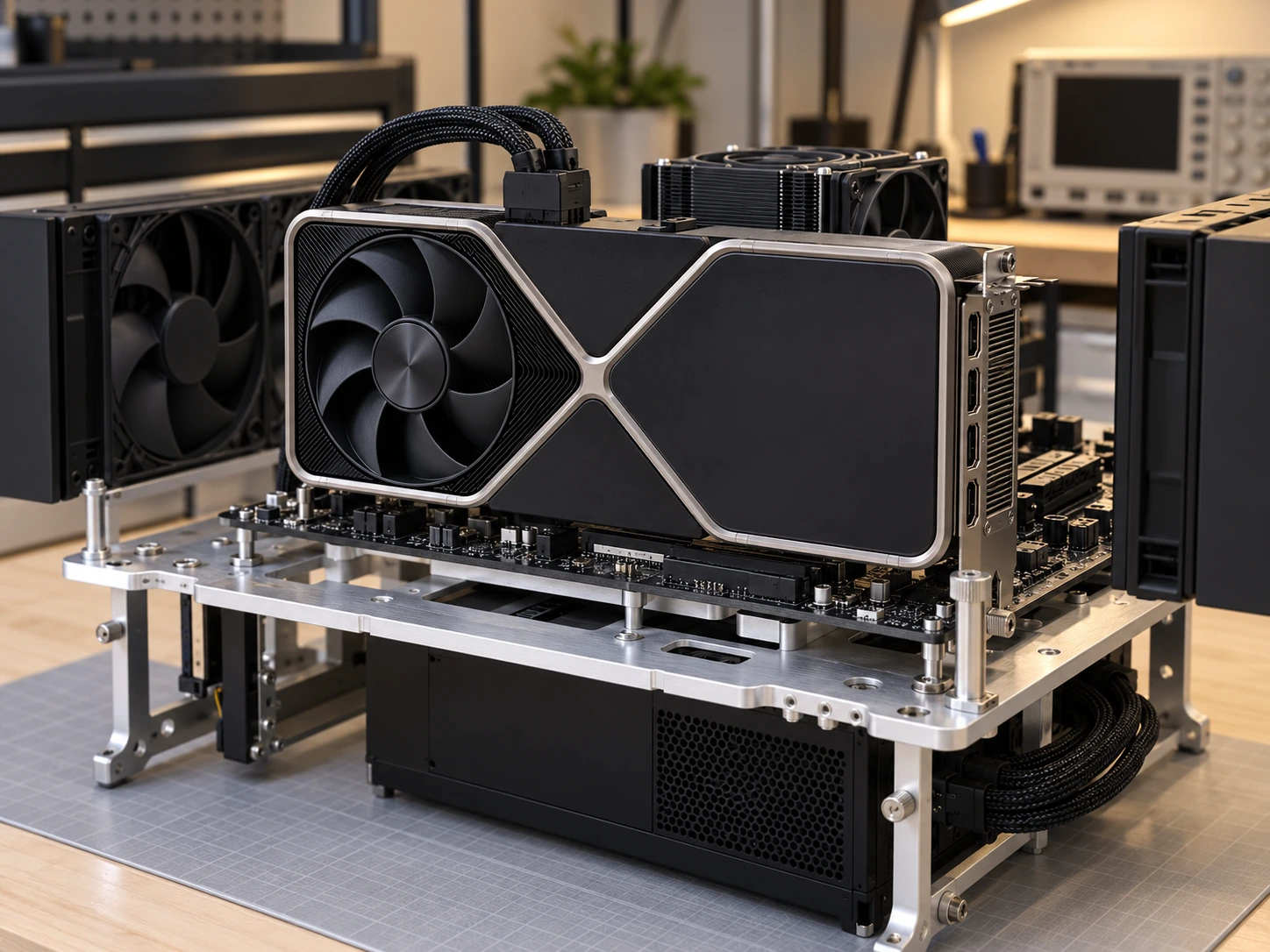
Where hardware compatibility permits, suitable original boards may undergo memory-component and firmware-related reworking. Other candidates may require transplanting usable GPU components to a compatible custom PCB and cooling assembly. These approaches are evaluated by board revision and technical evidence; neither method is universally applicable.
Post-rework review
A reported VRAM figure is not sufficient to qualify a modified GPU. Post-rework review considers board integrity, addressable memory, sustained data integrity, driver and runtime behaviour, compute stability, thermal conditions and selected real AI workloads.
Local AI workloads
Larger usable GPU memory can accommodate additional model weights, inference state and working data, potentially improving practical model fit, context headroom or concurrent local workloads. Actual benefit depends on quantisation, runtime, software, compute performance and memory integrity. Choose GPU memory capacity for the model and runtime working set; inference speed also depends on compute and software.
GPU memory allocation.
Commercial supply
Cloud 9 distinguishes unmodified graded cards, qualified aftermarket memory configurations and prototype development work. Batch specifications and qualification records are supplied according to the actual available hardware and agreed commercial terms. Aftermarket modifications are independent of NVIDIA and do not imply manufacturer authorisation or original warranty continuation.
Engineering Blog
Browse technical writing on GPU memory architectures, upgrade approaches, qualification and practical local AI.
View all engineering articles