Data preparation and processing
Data readers, preprocessing tasks and application workers may hold working data and temporary results in host memory. The footprint depends on the software, dataset representation and loading approach.

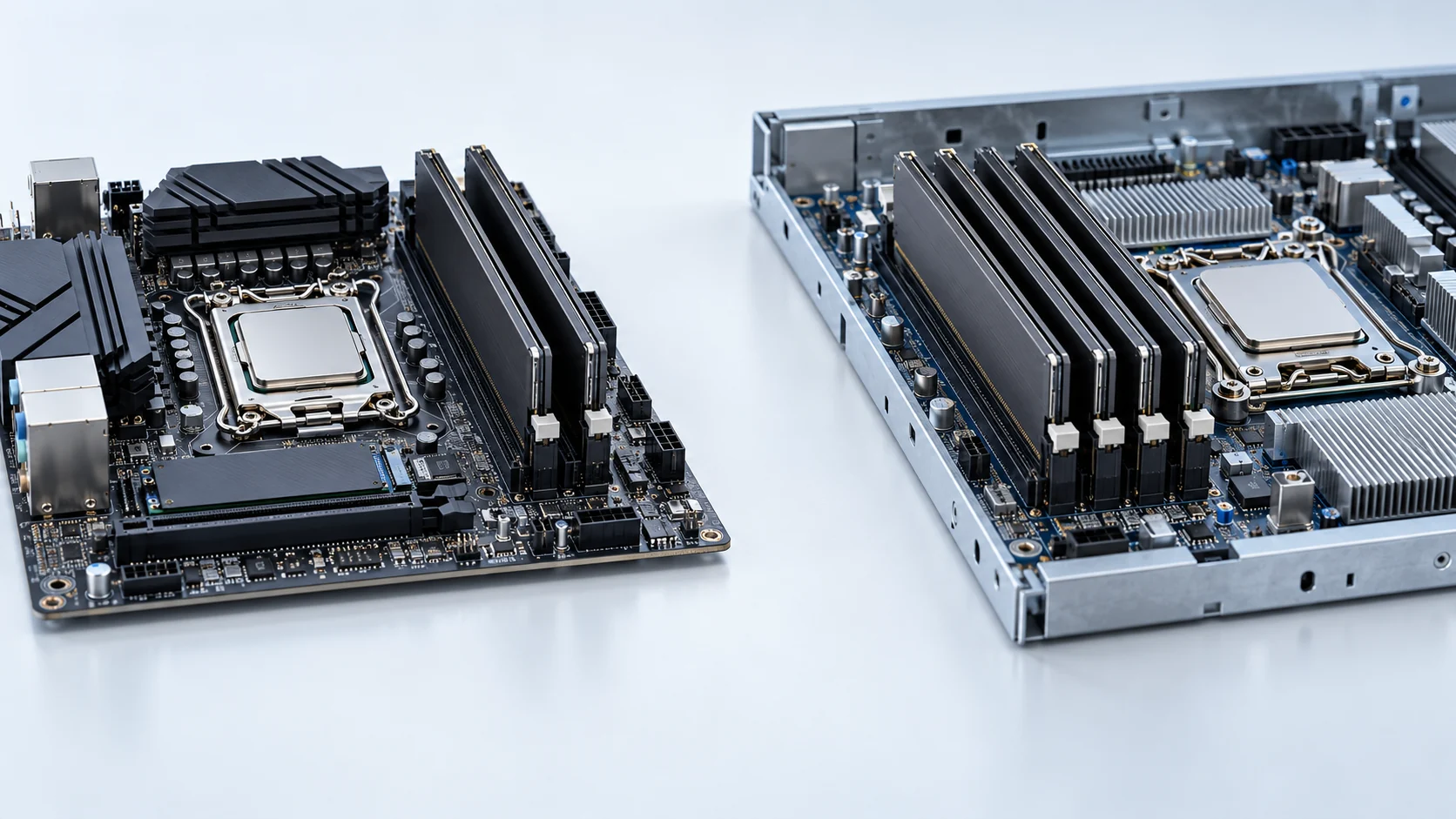
Cloud 9 sources and supplies workstation and server memory for AI development, data-intensive applications and accelerated computing. Explore module architectures, working capacity and configurations matched to the host platform.
WORKING MEMORY
AI workloads extend beyond the computation performed on a GPU. Data has to be prepared, models loaded, applications coordinated and results processed. System memory provides working space for those host-side tasks and for workloads executed on the CPU.
The amount required depends on how the application runs: its active data, model-loading method, supporting processes and simultaneous work. A useful configuration considers those demands together, rather than selecting RAM from GPU memory capacity alone.

Data readers, preprocessing tasks and application workers may hold working data and temporary results in host memory. The footprint depends on the software, dataset representation and loading approach.
Model files move through storage and host resources in ways determined by the runtime. Some applications use CPU execution, loading buffers or offloading; others use streaming or sharded methods that change the memory footprint.
Development tools, application services and data-processing workers share the available host memory. Headroom and channel configuration can matter as much as the size of one process.
PLATFORM FIT
The module type comes first. Workstation and server memory ranges reflect common purchasing requirements, while final compatibility follows the processor, motherboard and approved memory population rules.
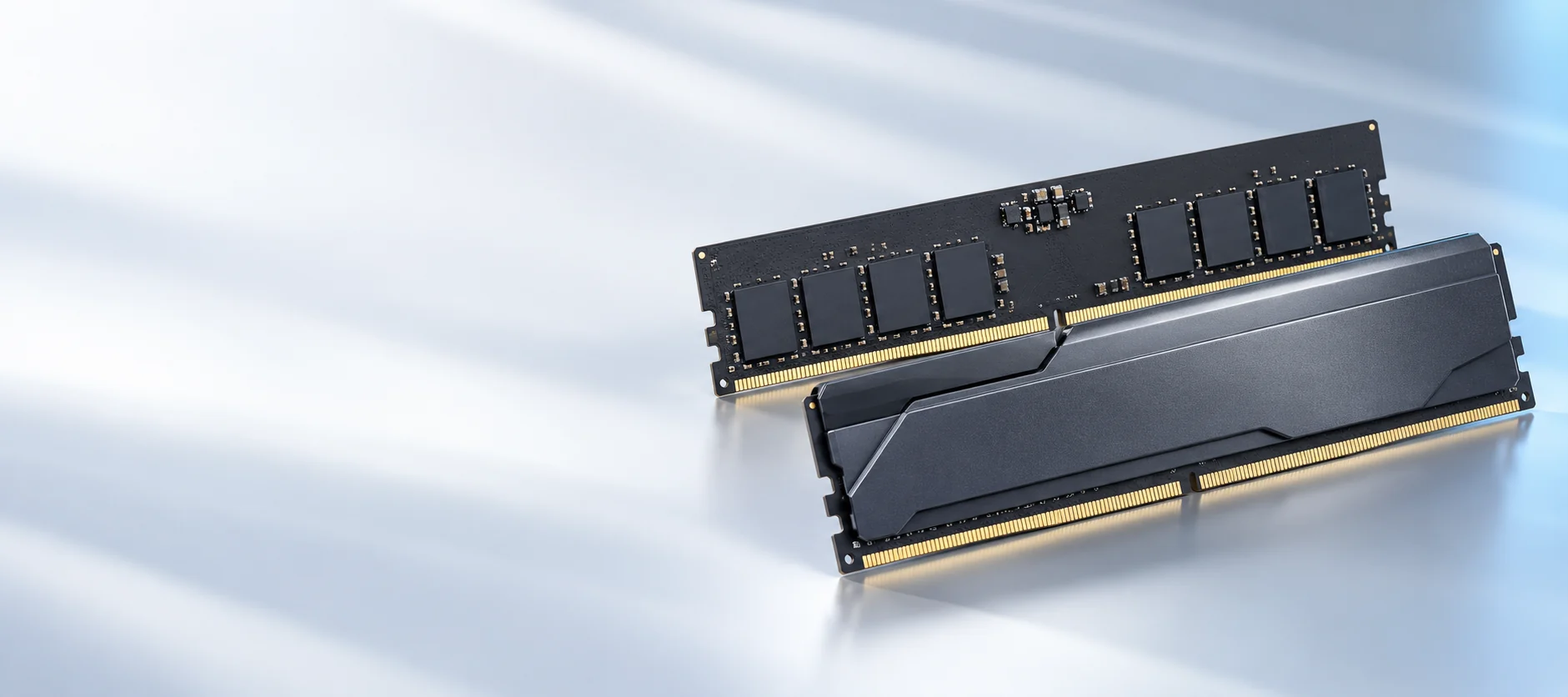
WORKSTATION MEMORY
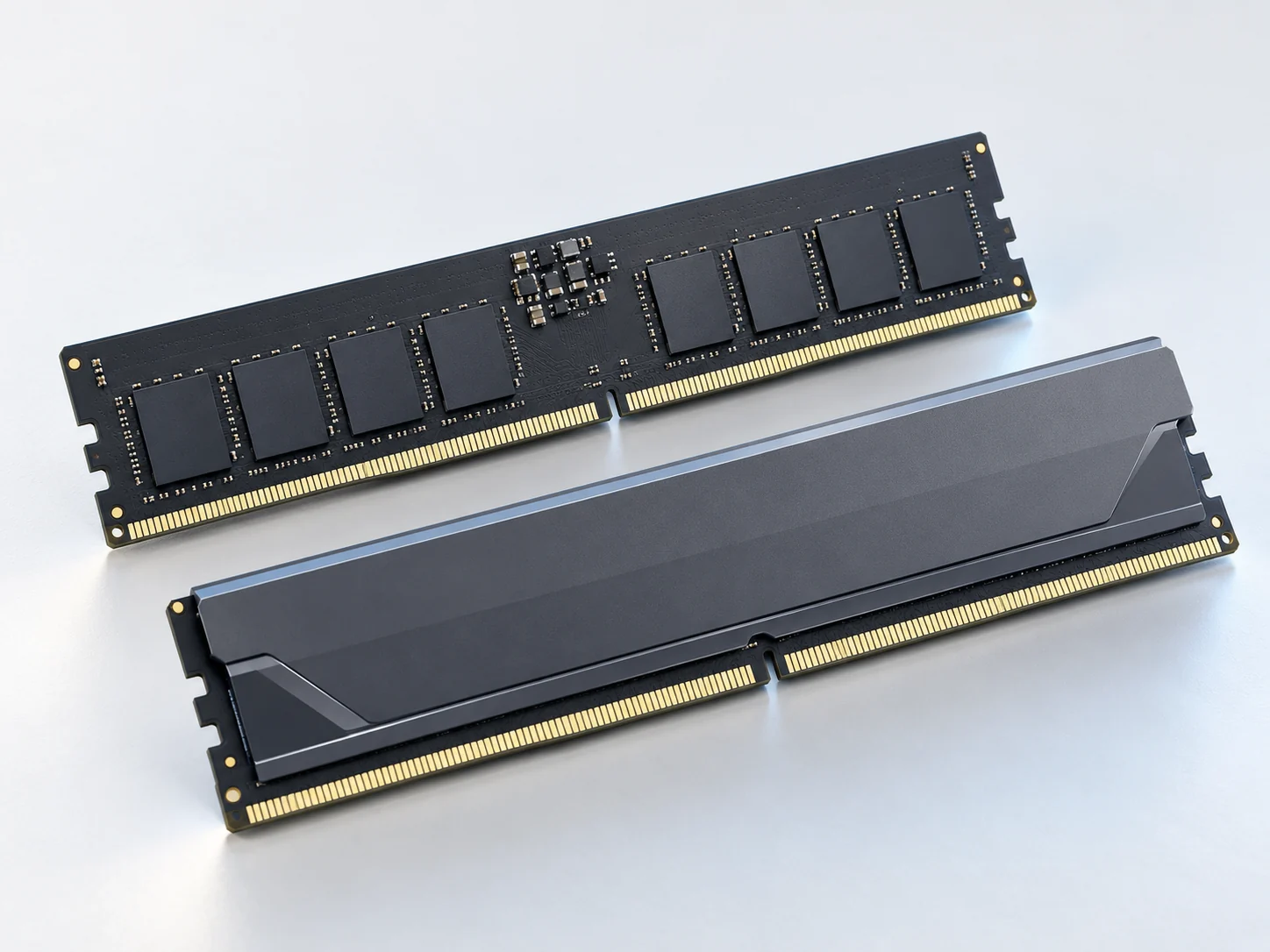
Non-ECC UDIMM and ECC UDIMM options for compatible desktop and workstation platforms. Select working capacity, transfer rate and suitable kits around the applications, active datasets and development tools the machine needs to support.
System-level ECC is available only where the processor, motherboard, firmware and module support it. Some high-end workstation platforms use registered memory instead and should be configured accordingly.
UDIMM · ECC UDIMM · Platform-matched configurations
SERVER MEMORY
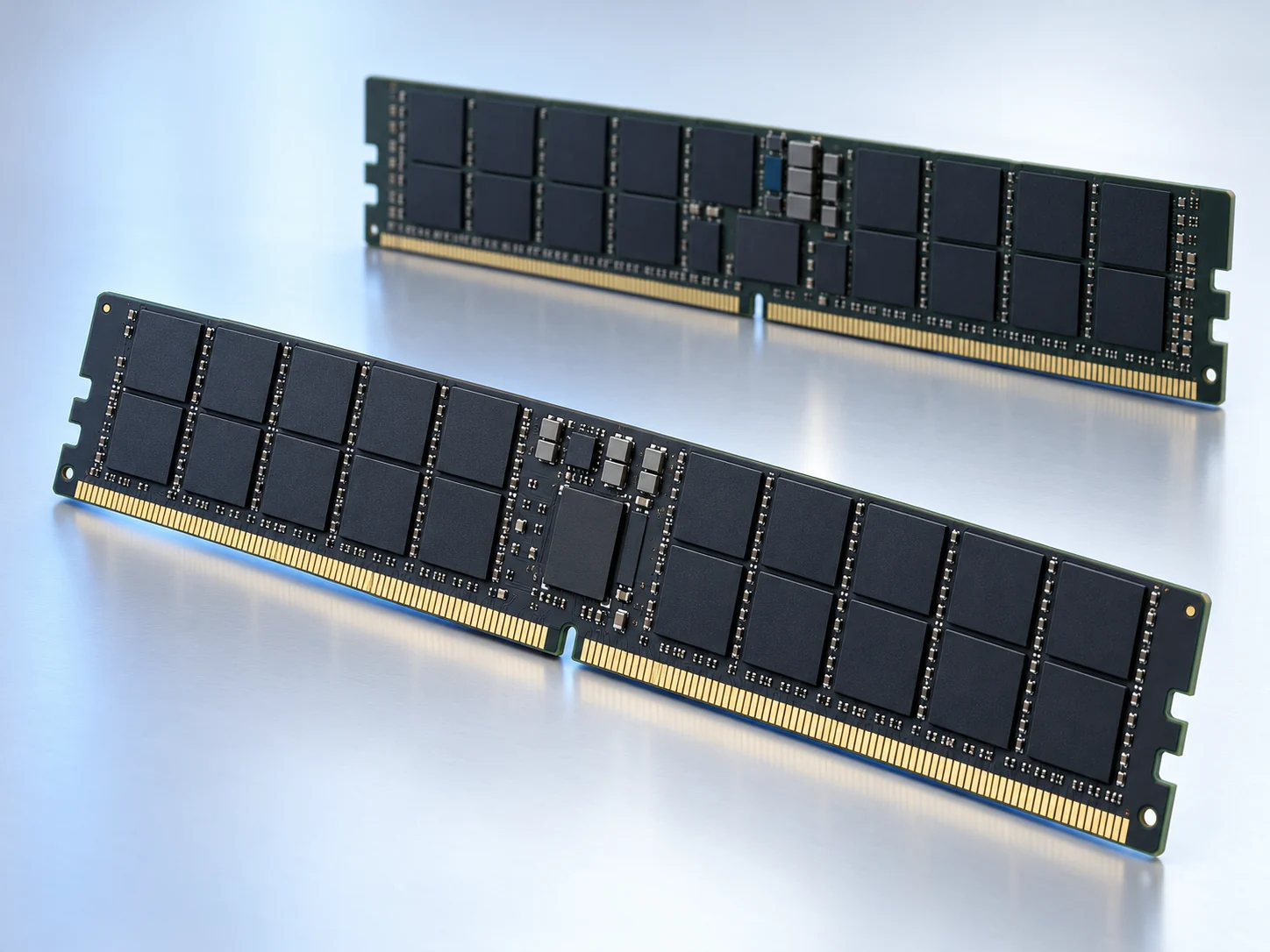
RDIMM and platform-specific LRDIMM options for supported server and high-capacity workstation systems. Module architecture, capacity, channel population and operating limits must be considered together.
Registered and load-reduced modules use different approaches to the electrical load presented to the memory controller. Their suitability depends on the processor generation, motherboard and validated configuration.
RDIMM · LRDIMM · Generation-specific compatibility
Compatibility: Some professional workstations require RDIMM. Select the memory architecture from the CPU and motherboard specification, not the case shape or this site's category label.
MODULE ARCHITECTURE
The differences between modules are not always visible from their exterior. Explore the DRAM packages, control circuits and data paths that distinguish unbuffered, ECC, registered and load-reduced memory.
DDR5 on-die ECC operates within DRAM chips. It is not the same as processor-to-memory system-level ECC supported by compatible ECC modules and host platforms.

DDR5 UDIMM architecture.
Command, address, clock and data reach the DRAM without a module registering clock driver or load-reduced data buffer. PMIC and SPD provide separate support functions.
Functional illustration, not board wiring or an electrical schematic.DDR5 · Unbuffered • non-ECC
The direct connection. DRAM packages connect to the host memory controller without a registering clock driver or a separate module-wide data buffer. Capacity, speed and compatibility still depend on the chosen DIMM and platform.
Typical role: Compatible desktops and workstations using unbuffered DDR5 memory.
Platform fit: a processor and motherboard that support DDR5 UDIMM.
Select a component to explore its role.
Silicon devices that hold working data. Number, arrangement and density depend on the module.

DDR5 ECC UDIMM architecture.
The host ECC controller uses additional check-bit storage on the module. DDR5 on-die ECC remains a separate protection inside DRAM devices.
Functional illustration, not board wiring or an electrical schematic.DDR5 · Unbuffered • system-level ECC capable
The familiar unbuffered layout with additional system-level error-correction data. An ECC UDIMM needs a processor, board and firmware that support the function; merely fitting a module does not enable it on an unsupported platform.
Typical role: Compatible professional desktops or workstations requiring system-level ECC on an unbuffered platform.
Platform fit: a processor, motherboard and firmware that support DDR5 ECC UDIMM.
Select a component to explore its role.
DRAM devices hold application data. Device count and density vary by module.

DDR5 ECC RDIMM architecture.
The RCD distributes command, address and clock signals. Data travels on a separate path between the host and DRAM.
Functional illustration, not board wiring or an electrical schematic.DDR5 · Registered • system-level ECC
Designed around registered signalling. A DDR5 RDIMM introduces a registering clock driver for the module control path and supports the memory architectures used by many servers and high-end workstation platforms.
Typical role: Servers and registered-memory workstations that qualify DDR5 RDIMM.
Platform fit: A processor and motherboard specified for DDR5 RDIMM. Population and operating rate follow platform guidance.
Select a component to explore its role.
DRAM devices supply data and check-bit storage in a configuration supported by the host.

DDR4 LRDIMM architecture.
The DDR4 module registers command, address and clock signals and uses separate data buffers to reduce electrical loading.
Functional illustration, not board wiring or an electrical schematic.DDR4 · Load-reduced • generation-specific teaching example
Load-reduced modules use buffering to reduce the electrical loading presented to the memory controller in supported high-density platforms. This teaching view uses DDR4 LRDIMM architecture; it is not a qualified claim for a current DDR5 LRDIMM SKU.
Typical role: DDR4 server and high-capacity platforms that expressly qualify LRDIMM.
Platform fit: a processor and motherboard qualified for DDR4 LRDIMM, populated according to the platform’s memory guidance.
Select a component to explore its role.
DRAM devices hold data; their density, organisation and ranks vary by module.
Explore DDR5 UDIMM, ECC UDIMM and RDIMM architectures alongside a DDR4 LRDIMM example. Module type, component layout and operating speed follow the selected product and host platform.
MT/s measures transfers per second. A module's rated MT/s is not a guaranteed installed operating speed; the host and channel population also matter.
The correct type is the one the platform supports. Compare the memory architecture before choosing capacities or speed grades.
MEMORY TECHNOLOGY
Memory development matters when it allows a platform to hold a larger working set, move data through its channels more effectively or operate within the required reliability and power envelope. The relevant benefit depends on the complete system.
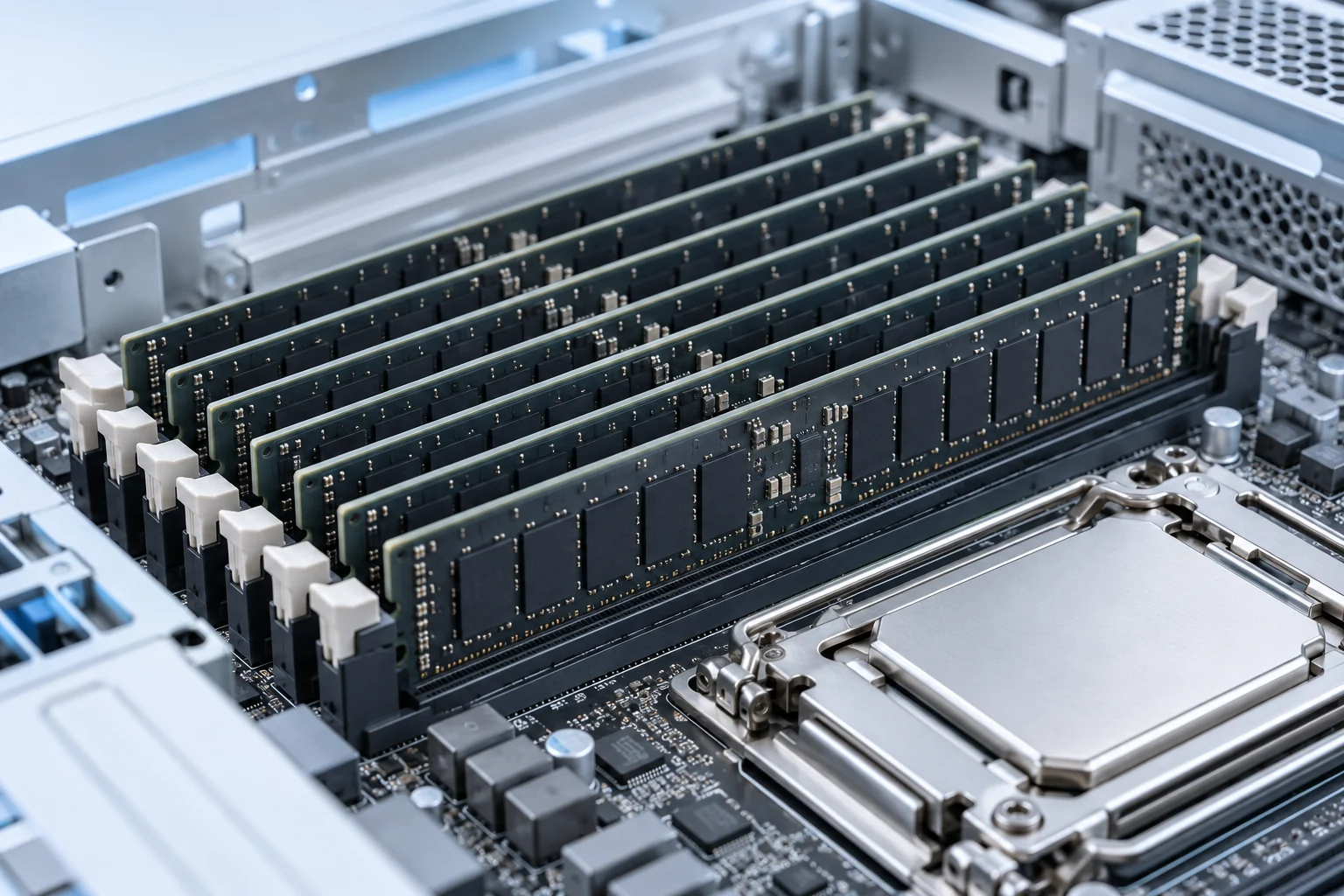
WORKING CAPACITY
Higher-density DRAM devices and some stacked-die module designs allow more capacity within a fixed number of sockets. The useful result is more room for active datasets, host-side processing and concurrent applications, within the platform's supported limits.
Choose total installed capacity alongside the number of channels and slots occupied. A higher-capacity module is not automatically the better choice for every processor or workload.
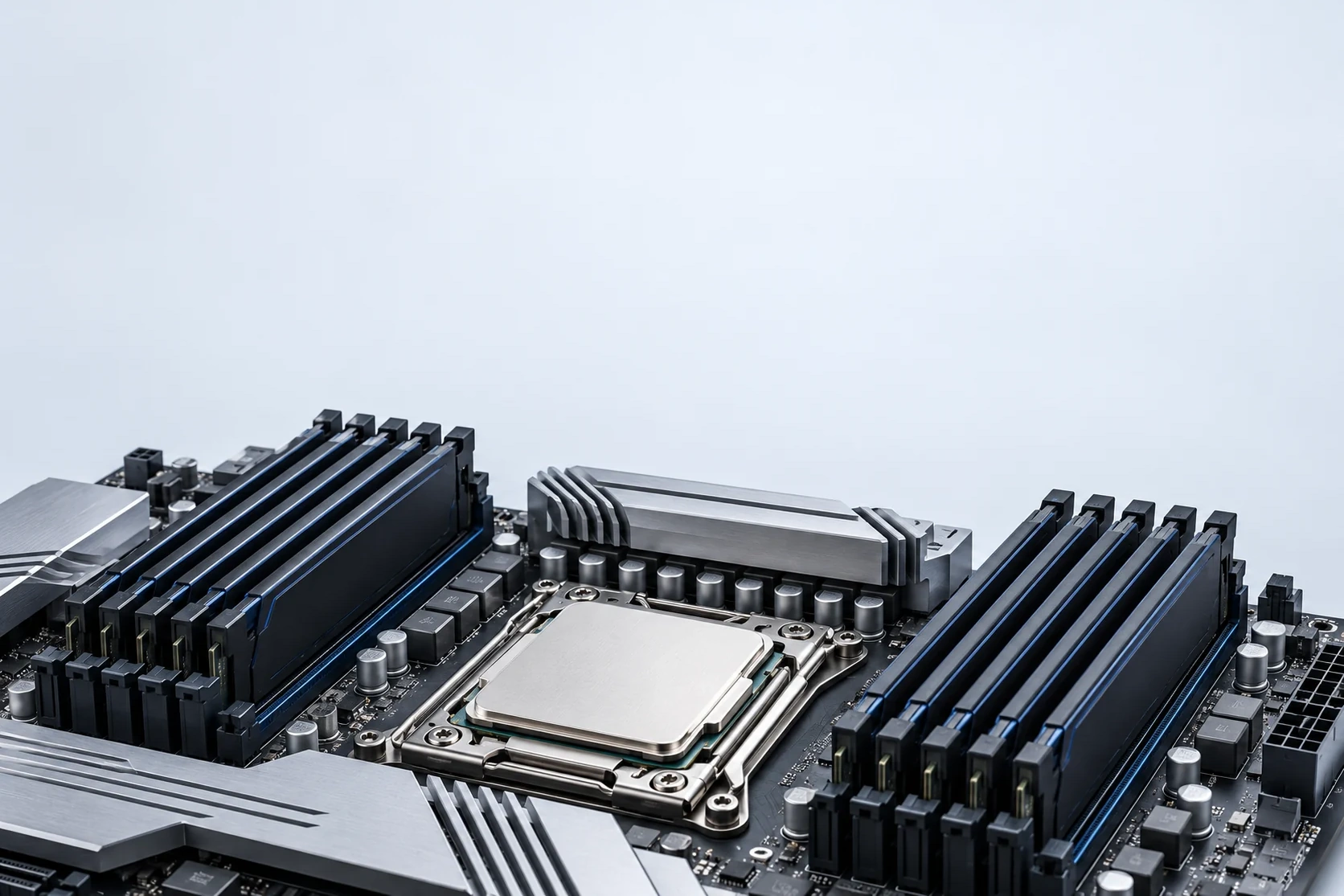
CHANNELS AND BANDWIDTH
DDR5 transfer rates are expressed in MT/s, meaning millions of data transfers per second. As one illustrative calculation, DDR5-5600 across a 64-bit data interface has 44.8 GB/s of theoretical peak transfer bandwidth before protocol and workload overhead. That number is not a measured application result.
Actual CPU memory bandwidth also depends on the number of active memory channels, their population, the processor and operating rate. Adding modules to an already populated channel is not the same as enabling a new channel.
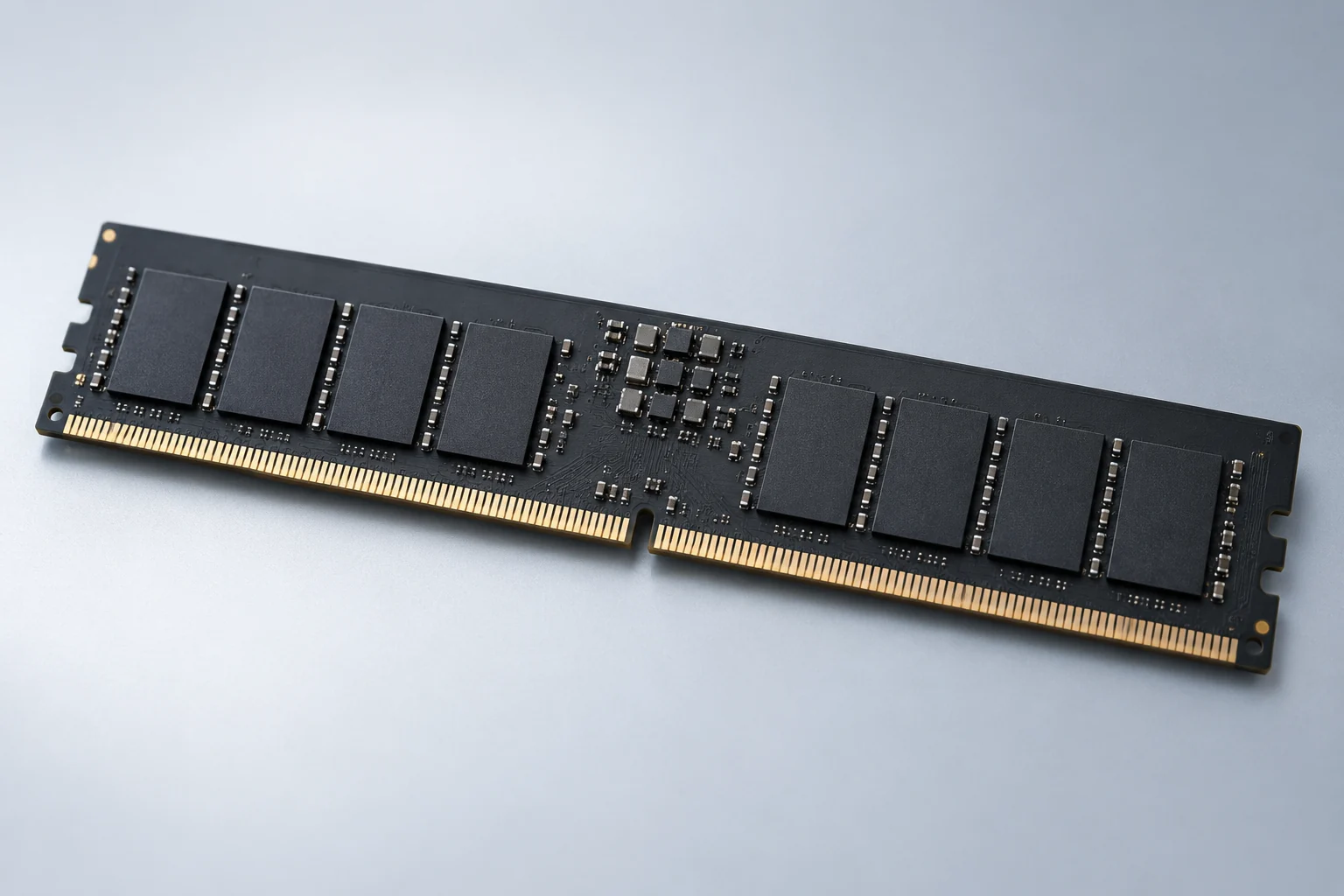
ERROR CORRECTION
Compatible ECC memory and host platforms provide additional data-integrity protection for memory communication. This matters for long-running work, large datasets and systems where memory errors would be costly.
DDR5 also includes on-die ECC inside its DRAM devices, including many non-ECC modules. These protections operate at different levels and should not be conflated. ECC does not guarantee that an application, calculation or AI model will always produce a correct result.
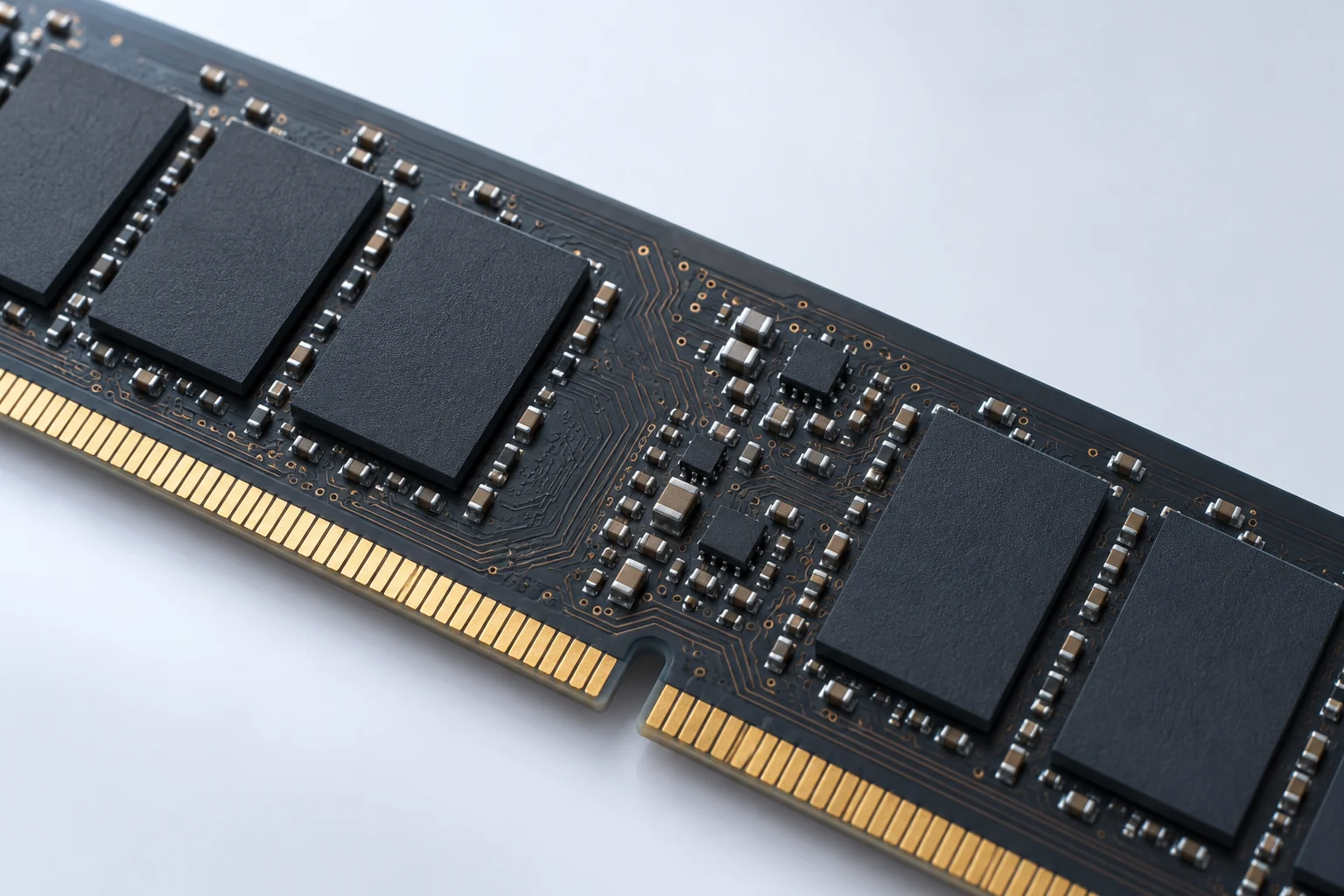
DDR5 MODULE FUNCTIONS
DDR5 modules incorporate dedicated power-management and configuration functions. Power-management ICs regulate module supply requirements, while the SPD hub helps the host discover module information. Registered modules add a registering clock driver, and some designs have additional temperature monitoring.
Module architecture determines how the memory circuitry is arranged beneath the heat spreader.
PLATFORM MEMORY SELECTION
Cloud 9 sources and supplies memory for complete configurations, capacity upgrades and commercial hardware requirements. The starting point is the processor and motherboard platform, the application's working set and the way the available memory channels will be populated.
Choose a compatible module architecture first, then plan capacity, channel population, supported transfer rate and future expansion. Explore the relevant workstation or server memory range when its detailed page is available.